
Short Answer
21 Facts About Bee Hives
- Bee hives are natural and artificial structures: While bees build natural hives in tree hollows or rock crevices, beekeepers use artificial hives for managing colonies.
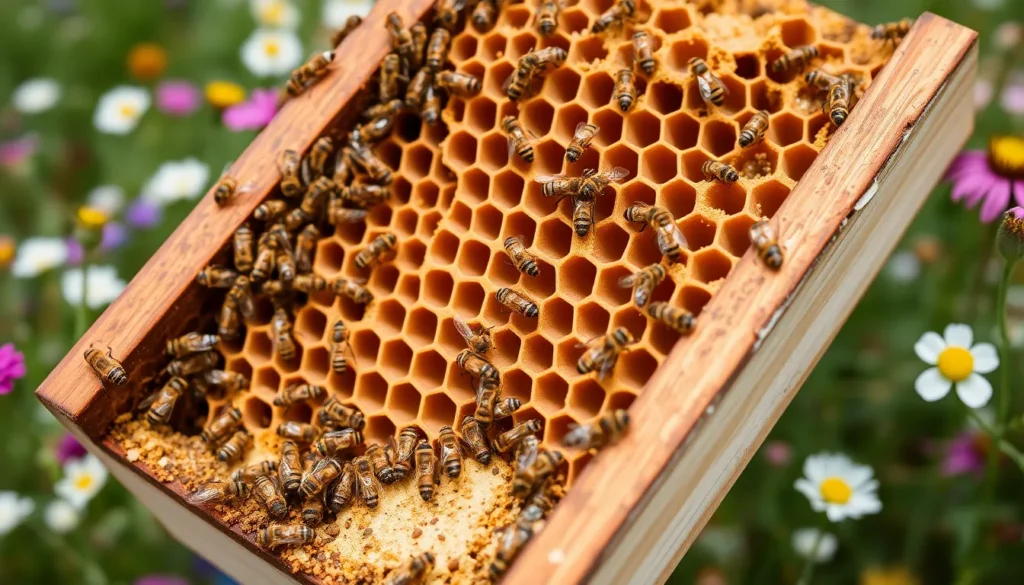
- Hexagonal cells optimize space: The comb inside a hive features hexagonal cells, which maximize space and structural strength while minimizing wax use.
- Hives house three types of bees: A typical hive contains a queen, worker bees (females), and drones (males), each with distinct roles.
- Temperature control inside hives: Bees maintain an internal temperature around 34–35°C (93–95°F) necessary for brood development.
- Bees use propolis to seal hives: This resinous substance collected from plants helps protect the hive from drafts, pests, and microbes.
- Hives serve as food storage units: Honey and pollen are stored in cells to feed the colony, especially during winter months.
- Hive ventilation is critical: Bees fan their wings to circulate air, controlling humidity and temperature inside the hive.
- Queen bees lay thousands of eggs: A healthy queen can lay up to 2,000 eggs per day during peak season, ensuring colony survival.
- Worker bees build and maintain the hive: These bees produce beeswax from abdominal glands to construct combs and repair damage.
- Hives can become overcrowded: Overpopulation often triggers swarming, where a portion of bees leave to form a new colony.
- Bee hives have a complex social structure: The colony functions as a superorganism, with coordinated roles and communication methods.
- Communication within hives uses the waggle dance: Worker bees perform specific movements to inform others about food sources’ location and distance.
- Bee hives face threats from pests and diseases: Varroa mites, wax moths, and fungal infections can damage hives and reduce colony health.
- Hive orientation aids navigation: Bees use the hive entrance and sun position to navigate to and from forage sites.
- Hives are insulated naturally: Bees cluster tightly in cold weather, generating heat to survive winter.
- Artificial hives often use removable frames: This design allows beekeepers to inspect and harvest honey without destroying the colony.
- Hive location influences bee behavior: Access to flowering plants and water sources affects colony productivity.
- The structure of the hive influences bee communication: The arrangement of comb cells aids in efficient information transfer.
- Bee hives have been used historically for honey production: Humans have kept bees and harvested honey for thousands of years.
- Wild bee hives contribute to biodiversity: Natural hives support ecosystems and pollination beyond managed apiaries.
- Bee hives reflect environmental health: Colony conditions can indicate local environmental quality and pesticide presence.
Habitat and Behavior
Bee hives are primarily found in temperate and tropical regions where flowering plants are abundant. Wild honey bees typically establish hives in sheltered locations such as hollow trees, rock cavities, or even man-made structures. The hive serves as a central living space where bees perform various activities including brood rearing, food storage, and defense. Worker bees actively forage for nectar and pollen to sustain the colony, while also maintaining hive temperature and cleanliness. Seasonal changes influence hive behavior, with activity peaking during spring and summer and diminishing during colder months. Swarming is a natural reproductive behavior where part of the colony departs to start a new hive, ensuring species proliferation.
Why This Animal Matters
Bee hives are critical to ecosystems due to their role in pollination, which supports plant reproduction and biodiversity. This ecological service is vital for many wild plants and agricultural crops, contributing significantly to food production worldwide. Additionally, bees produce honey and beeswax, substances valuable to humans for nutrition and various products. The health of bee hives also serves as an environmental indicator, reflecting ecosystem stability and the impact of pollutants. Conservation of bee populations and their hives is thus essential for maintaining ecological balance and supporting global agriculture.
Common Misconceptions
Misconception: All bee hives are aggressive and dangerous.
Correction: While some bee species can defend their hives aggressively, many bees are relatively non-aggressive if left undisturbed. Proper understanding and handling reduce the risk of stings.
Misconception: Bee hives only produce honey.
Correction: In addition to honey, bee hives produce beeswax, royal jelly, propolis, and pollen stores, which all have ecological and economic importance.
FAQ
How do bees maintain temperature inside the hive?
Bees regulate hive temperature by clustering together to generate heat in cold weather and fanning their wings to cool the hive during hot conditions, maintaining an optimal environment for brood development.
What is the purpose of the hexagonal shape in hive cells?
Hexagonal cells optimize space and structural stability while using the least amount of beeswax, allowing efficient storage of honey, pollen, and brood.
Why do bees swarm and leave their hive?
Swarming occurs when the hive becomes overcrowded or resources are limited, prompting a portion of the colony, including the old queen, to leave and establish a new hive elsewhere.





Leave a Reply