
Short Answer
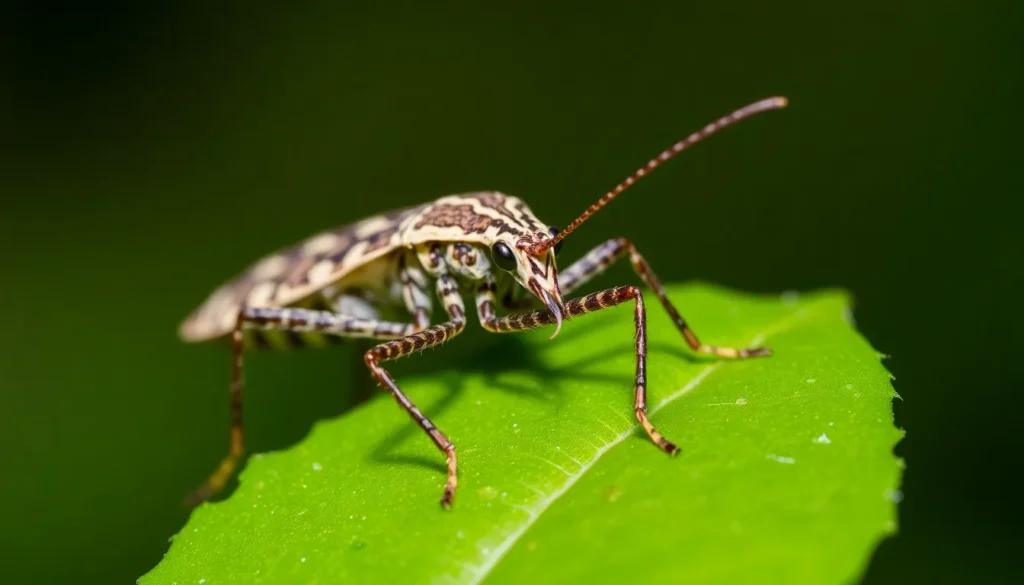
21 Facts About Assassin Bugs
- Diverse Family: Assassin bugs belong to the family Reduviidae, which contains over 7,000 species worldwide, exhibiting a wide variety of forms and sizes.
- Predatory Nature: They are primarily predatory, feeding on other insects by piercing them with their specialized mouthparts called a rostrum.
- Rostrum Function: The rostrum is a sharp, elongated beak-like structure used to inject saliva that liquefies the prey’s insides for easier consumption.
- Varied Habitats: Assassin bugs inhabit diverse environments ranging from forests and grasslands to human dwellings and agricultural fields.
- Camouflage and Ambush: Many species use camouflage to blend with their surroundings and ambush prey effectively.
- Some Are Blood Feeders: While most assassin bugs are predatory, some species, such as those in the subfamily Triatominae, feed on the blood of vertebrates.
- Vectors of Disease: Certain blood-feeding assassin bugs can transmit Chagas disease, caused by the parasite Trypanosoma cruzi, which affects humans and animals.
- Powerful Bite: Their bite can be painful to humans and may cause allergic reactions, although they are not aggressive unless provoked.
- Defensive Behavior: When threatened, assassin bugs may release unpleasant odors or deliver a defensive bite to deter predators.
- Egg-Laying: Females lay eggs in concealed locations to protect them from predators and environmental hazards.
- Life Cycle: Assassin bugs undergo incomplete metamorphosis, developing from eggs to nymphs before reaching adult form.
- Role in Pest Control: Many species help regulate populations of agricultural pests, making them beneficial in natural pest management.
- Varied Sizes: Assassin bugs range in size from a few millimeters to several centimeters, depending on the species.
- Distinctive Appearance: They often have elongated heads, narrow necks, and strong legs adapted for grasping prey.
- Use of Venom: Their saliva contains enzymes that immobilize and pre-digest prey, functioning like venom.
- Global Distribution: Assassin bugs are found on every continent except Antarctica, thriving in many climatic zones.
- Some Mimic Ants: Certain assassin bugs mimic ants in appearance and behavior to approach prey or avoid predators.
- Diurnal and Nocturnal Species: Depending on the species, assassin bugs can be active during the day or night.
- Communication: Some assassin bugs use vibrational signals to communicate with mates or rivals.
- Scientific Interest: Their unique predatory adaptations and potential for biological control have made assassin bugs subjects of entomological research.
- Conservation Status: While most assassin bugs are not endangered, habitat loss and pesticide use can impact local populations.
Habitat and Behavior
Assassin bugs occupy a wide range of habitats, including forests, grasslands, shrublands, agricultural areas, and human homes. They tend to favor environments where prey insects are abundant. Behavioral adaptations include camouflage for ambush hunting and the use of chemical defenses against predators. Their predatory strategy involves waiting for or actively stalking prey, then using their rostrum to deliver a lethal saliva injection. Some species hunt on plants, while others are ground dwellers. Blood-feeding assassin bugs typically reside in cracks and crevices near vertebrate hosts, such as in housing structures in the case of disease-vector species.
Why This Animal Matters
Assassin bugs play a significant role in ecosystems as predators of various insect pests, thereby contributing to natural pest control. Their presence helps maintain insect population balances, reducing the need for chemical pesticides in agriculture. However, certain species are medically important as vectors of Chagas disease, affecting millions in the Americas. This duality highlights their ecological and health relevance. Furthermore, assassin bugs are valuable to science for studying predator-prey interactions, venom properties, and insect behavior. Conservation of their habitats can support biodiversity and sustainable pest management.
Common Misconceptions
Misconception: All assassin bugs bite humans and are dangerous.
Correction: While some species can bite and cause discomfort, most assassin bugs are not aggressive towards humans and only bite when handled or threatened.
Misconception: Assassin bugs are all harmful pests.
Correction: Most assassin bugs are beneficial predators that control pest populations, although a few blood-feeding species can transmit diseases.
FAQ
Are assassin bugs harmful to humans?
Most assassin bugs do not pose a threat to humans and only bite defensively when handled. However, some species can cause painful bites, and a few blood-feeding species may transmit diseases.
What do assassin bugs eat?
Assassin bugs primarily prey on other insects, using their rostrum to inject digestive saliva that liquefies the prey's tissues for consumption. Some species feed on blood of vertebrates.
Where do assassin bugs live?
They inhabit a wide range of environments including forests, grasslands, agricultural fields, and sometimes human dwellings, depending on the species and their feeding habits.



Leave a Reply