
Short Answer
Botswana, a landlocked jewel nestled in the heart of Southern Africa, is not just renowned for its breathtaking landscapes and rich culture; it is also a haven for wildlife enthusiasts and safari aficionados. With vast expanses of wilderness that teem with diverse flora and fauna, Botswana beckons those eager to explore the wonders of nature. Here are ten captivating safari and wildlife fun facts that promise to shift your perspective on this remarkable destination.
1. The Jewel of the Okavango Delta
The Okavango Delta is not merely a river delta; it’s one of the largest inland deltas in the world, forming a unique ecosystem that supports a plethora of wildlife. This UNESCO World Heritage site transforms dramatically with seasonal flooding, creating a lush oasis in an otherwise arid region, attracting elephants, hippos, and a myriad of bird species. The biodiversity here is staggering—over 1,000 species of plants, 400 species of birds, and a rich assortment of mammals inhabit this expansive wetland.
2. Home to Africa’s Largest Elephant Population
When one thinks of majestically lumbering elephants, Botswana often comes to mind. This country is home to approximately one-third of Africa’s elephant population, estimated at around 130,000 individuals. Chobe National Park, in particular, is renowned for its large herds that can often be seen gathering along the Chobe River, a mesmerizing spectacle that leaves visitors in awe of these magnificent giants.
3. The Spectacle of the Green Season
While many travelers flock to Botswana during the dry months, the so-called “Green Season” from November to March offers a vibrant and lush transformation of the landscape. This period is marked by dramatic thunderstorms and verdant recovery, attracting myriad wildlife. It’s the optimal time for spotting young animals, especially in places like the Nxai Pan National Park, where newborn springbok and zebra frolic in the emerald expanses.
4. A Birder’s Paradise
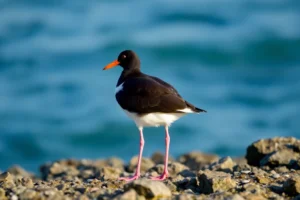
Botswana stands as a veritable paradise for ornithologists. The country’s varied habitats are home to approximately 600 species of birds. The rare Pel’s Fishing Owl and the vibrant Malachite Kingfisher are just a glimpse of the avian diversity that can be observed. Birdwatching enthusiasts can revel in unforgettable sightings while perched within the lush wetlands or the arid savannahs, making for an exhilarating experience.
5. The Makgadikgadi Pan: A Salt Flat with a Story
The Makgadikgadi Pan, once part of an enormous lake that covered a vast area, now stands as one of the world’s largest salt flats. The desolate beauty here tells a compelling tale of ancient geological transformations. Visitors can marvel at surreal landscapes, witness migrating zebra and wildebeest during the wet season, and even explore one of the few remaining areas where the San people have lived for thousands of years, engaging in cultural exchange with those eager to learn about their ways.
6. The Rare and Enigmatic African Wild Dog
With its striking coat of irregular patches, the African Wild Dog is one of Africa’s most captivating—and endangered—predators. Botswana plays host to a significant portion of the world’s remaining packs. Spotting these social animals, known for their cooperative hunting strategies and intricate pack dynamics, is a rare delight. Their presence signifies thriving ecosystems, making them a critical marker of biodiversity health in their habitats.
7. Sustainable Coexistence: The Community-Based Approach
Botswana has pioneered a model of wildlife conservation that intertwines community welfare with environmental stewardship. This community-based natural resource management approach empowers local populations to participate actively in preserving their natural heritage. Sustainable tourism efforts have been seamlessly integrated, ensuring that wildlife conservation and local economies thrive hand in hand, nurturing both the land and its people.
8. Night Safaris: The Dance of Nocturnal Creatures
While many think that safari experiences are confined to the daylight hours, Botswana offers extraordinary night safaris that unveil the nocturnal wonders of the wild. Under the shimmering African sky, visitors can encounter elusive creatures like leopards, bush babies, and African civets. As the serenade of the night comes alive, a different kind of magic unfolds, revealing the intricacies of the ecosystems that thrive under the stars.
9. The Serene Experience of Mokoro Trips
The mokoro, a traditional dugout canoe, offers an unparalleled perspective of the waterways of the Okavango Delta. Gliding quietly through the reeds, visitors can observe wildlife from a unique vantage point. This serene experience not only immerses adventurers in the environment but also fosters a deeper appreciation for the delicate balance of this ecosystem, echoing the gentle rhythms of life that flow through Botswana’s waterways.
10. A Culture Rich in Heritage and Conservation
Botswana is a nation steeped in rich cultural heritage, complementing its stunning natural beauty. Many local communities actively engage in conservation efforts, interlacing traditional knowledge with contemporary wildlife management practices to safeguard biodiversity. This cultural synthesis offers travelers a holistic experience, where wildlife and human interaction are harmoniously balanced, reinforcing the intrinsic value of preserving the natural world.
In conclusion, Botswana emerges not merely as a destination, but as an exhilarating journey into the heart of nature. With its dynamic ecosystems, rich cultural tapestry, and commitment to conservation, it invites exploration and deep reflection. Engaging with the myriad wonders of Botswana inspires a profound appreciation for the intricate interplay of wildlife and environment, promising to shift your perspective on what it means to truly understand and cherish the beauty of our planet’s diverse tapestry.
FAQ
How many species of birds can be found in Botswana?
Botswana is home to approximately 600 species of birds, making it a haven for birdwatchers.
What is the 'Green Season' in Botswana?
The Green Season occurs from November to March, characterized by lush landscapes and an abundance of young wildlife.
Leave a Reply