
Short Answer
Reincarnation, the philosophical or religious concept that the soul begins a new life in a new body after death, is a notion that transcends cultural and geographical boundaries. While interpretations of reincarnation vary widely across different religions and belief systems, the underlying theme of life, death, and rebirth remains a common thread. This article delves into ten intriguing facts about reincarnation from diverse cultural perspectives, providing a rich tapestry of beliefs about the cyclical nature of existence.
1. Hinduism: The Cycle of Samsara
In Hindu philosophy, the cycle of birth, death, and rebirth is known as samsara. Hindus believe that the atman, or soul, is eternal and experiences numerous physical incarnations. The quality of each subsequent life is determined by the karma accumulated in previous lives. This intricate process emphasizes moral living; good deeds elevate the soul toward moksha, or liberation from the cycle, whereas negative actions may lead to reincarnation in a less favorable form.
2. Buddhism: The Impermanence of Self
Buddhism offers a distinctive interpretation of reincarnation, notably the absence of a permanent self. Instead of a soul that perpetuates existence, Buddhism postulates the doctrine of anatta, or “non-self.” Rebirth occurs due to the continuation of karmic energy rather than a single, enduring soul. This process is intrinsically tied to the Four Noble Truths and the Eightfold Path, which guide adherents towards enlightenment and the cessation of suffering.
3. Ancient Egypt: The Weighing of the Heart
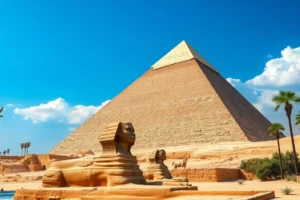
In ancient Egyptian belief, the afterlife was a significant aspect of existence, wherein the soul underwent a judgment after death. The deceased’s heart would be weighed against the feather of Ma’at, the goddess of truth and justice. A light heart signified righteousness, allowing the soul to reincarnate in a favorable afterlife, while a heavy heart signified a life of wrongdoing, leading to annihilation. This comprehensive system reveals an emphasis on moral behavior and its consequences beyond earthly life.
4. Greek Philosophy: The Cycle of Souls
Philosophers such as Plato and Pythagoras contributed to the early Western discourse on reincarnation. Plato articulated the idea of the transmigration of souls, where the soul travels through various existences based on its quest for wisdom and virtue. This cycle reflects an effort to maintain balance; upon achieving knowledge and enlightenment, the soul would ultimately return to the divine. The Greeks infused rational inquiry with metaphysical assumptions about existence and the afterlife.
5. Jainism: Liberation through Right Action
In Jainism, reincarnation is intricately linked to the accumulation of karma and the pursuit of liberation (moksha). Jains believe that the soul undergoes countless cycles of birth until it attains purity through right actions, asceticism, and non-violence (ahimsa). The cyclical nature of rebirth underscores the importance of self-discipline and ethical living, with liberation marking the soul’s release from the cycle of reincarnation.
6. Indigenous Beliefs: Ancestral Reverence
Various Indigenous cultures around the world, from the Native American tribes to Aboriginal Australians, have their own interpretations of reincarnation. Many view the cycle of life and death as a continuum, where ancestral spirits may return to the physical world in new forms, such as animals or even human descendants. This cyclical belief fosters a deep respect for nature and the interconnectedness of all life, reinforcing the notion that the departed continue to influence the living.
7. Sikhism: Breaking the Cycle
Sikhism presents a unique perspective on reincarnation. Sikhs believe that the soul is transient and that it goes through multiple cycles of birth and rebirth, influenced by one’s actions (karma). However, ultimately, the aim is to reunite with Waheguru, or God, and escape the cycle of reincarnation. This can be achieved through devotion, service, and striving for spiritual enlightenment, emphasizing the importance of community and selfless action.
8. Kabbalah: Reincarnation in Jewish Mysticism
Kabbalistic traditions in Judaism introduce a more mystical view of reincarnation, known as gilgul. The belief posits that souls may enter the world multiple times to fulfill their divine purpose or rectify past misdeeds. This cycle allows for spiritual growth and rectification over several lifetimes, highlighting themes of forgiveness, repair (tikkun), and faith in the overarching design of existence.
9. New Age Movements: Eclectic Interpretations
In contemporary society, New Age movements have rejuvenated interest in reincarnation, often blending elements from various spiritual traditions. These eclectic interpretations emphasize personal growth through experiential learning in multiple lifetimes—encouraging individuals to recall past lives as a means of self-healing and understanding. This modern perspective often intertwines mental wellness with ancient concepts, showcasing reincarnation’s evolution and resonance with contemporary issues.
10. Scientific Perspectives: Parapsychology and Research
Though reincarnation is primarily rooted in spiritual belief, scientific interest has emerged in the form of parapsychology. Researchers have explored claims of past-life memories, particularly in children; cases such as those investigated by Dr. Ian Stevenson have raised questions about the nature of consciousness and memory. While mainstream science often dismisses these notions, they nonetheless contribute to ongoing dialogues surrounding the mysteries of existence and human consciousness.
In summation, reincarnation offers a compelling lens through which to explore moral and ethical living across cultures and religions. Whether viewed through the prism of ancient texts, philosophical discourse, or contemporary interpretations, the inherent belief in rebirth underscores humanity’s quest for meaning beyond the physical realm. As time progresses, the diverse narratives surrounding reincarnation will continue to spark curiosity and reflection, bridging gaps between faith, philosophy, and the enduring enigma of life and death.
FAQ
What is reincarnation?
Reincarnation is the belief that the soul begins a new life in a new body after death, a concept found in various cultures and religions.
How do different religions view reincarnation?
Different religions interpret reincarnation uniquely, with beliefs ranging from the cycle of samsara in Hinduism to the concept of gilgul in Kabbalah.




Leave a Reply