
Short Answer
21 Facts About Sea Biscuit
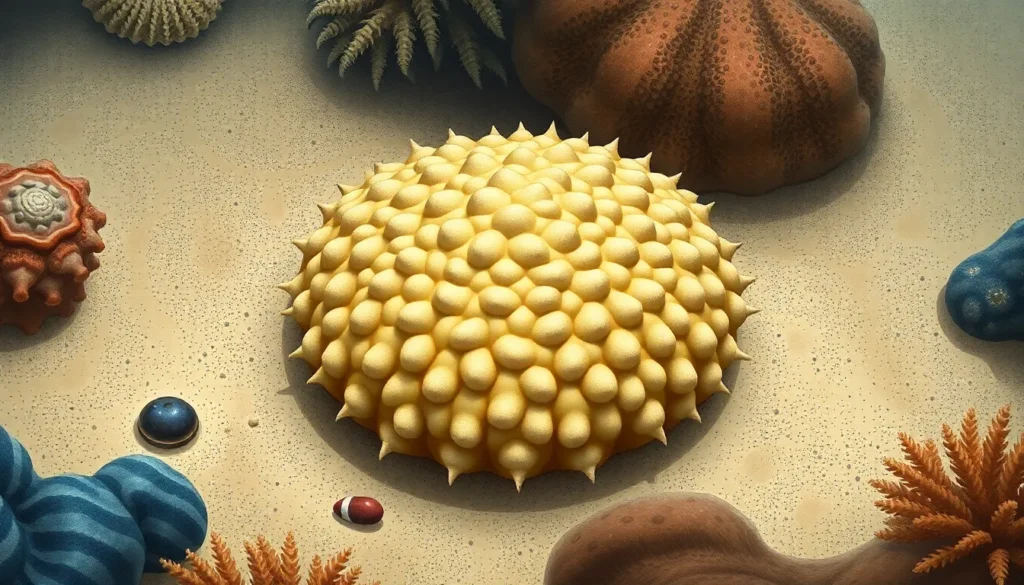
- Irregular Shape: Sea biscuits, also known as irregular urchins, have a flattened, disc-like shape that differs from the typical spherical shape of regular sea urchins, allowing them to adapt to their habitat.
- Taxonomy: They belong to the class Echinoidea, which includes both regular and irregular sea urchins, and are characterized by their unique body structure.
- Habitat: Sea biscuits are primarily found in sandy or muddy seabeds in shallow coastal waters, often burrowing into the substrate.
- Feeding Mechanism: They are detritivores, feeding on organic matter and microorganisms found in the sediment, which they filter through their bodies.
- Locomotion: Unlike regular sea urchins that move using spines, sea biscuits use tube feet, which are extensions of their internal water vascular system, to navigate their environment.
- Reproduction: Sea biscuits reproduce sexually, with external fertilization occurring in the water column during spawning seasons.
- Larval Stage: Their larvae are planktonic, meaning they drift in the ocean currents before settling to the seabed and metamorphosing into the adult form.
- Color Variations: The coloration of sea biscuits can vary widely, with hues ranging from pale yellow to dark brown, which helps them blend into their surroundings for camouflage.
- Size: Most species of sea biscuits can reach sizes of up to 10 centimeters (about 4 inches) in diameter, although some may be smaller or larger.
- Ecological Role: As detritivores, sea biscuits play a crucial role in nutrient cycling in marine ecosystems by breaking down organic materials and recycling nutrients back into the ecosystem.
- Predators: They are preyed upon by various marine animals, including fish, sea stars, and crabs, which can impact their population dynamics.
- Adaptation to Environment: Sea biscuits have adapted to survive in environments subject to shifting substrates, which protects them from stronger currents and predators.
- Symbiotic Relationships: Some species of sea biscuits may host microorganisms or small invertebrates, providing mutual benefits in terms of shelter and nutrients.
- Conservation Status: Many species of sea biscuits are not currently threatened, but habitat degradation and climate change could impact their populations in the future.
- Historical Significance: Fossil records indicate that irregular urchins have existed for over 100 million years, offering insights into evolutionary processes within marine life.
- Distribution: Sea biscuits are found in various oceans around the world, with higher concentrations in temperate and tropical regions.
- Commercial Importance: While not widely harvested, sea biscuits can be indicators of environmental health, making them of interest to ecologists and conservationists.
- Research Importance: Due to their unique biological and ecological characteristics, sea biscuits are studied in various fields, including marine biology and ecology.
- Color Change: Some species may exhibit color changes in response to environmental stresses, which can serve as indicators of their health and habitat conditions.
- Anthropogenic Effects: Pollution and overfishing can disrupt the delicate balance of marine ecosystems where sea biscuits thrive, highlighting the importance of sustainable practices.
- Public Awareness: Education about sea biscuits and their ecological roles can promote conservation efforts and enhance public interest in marine biodiversity.
Habitat and Behavior
Sea biscuits inhabit sandy or muddy substrates in shallow coastal waters, often found at depths of up to 200 meters. They favor areas with ample organic material for feeding and can burrow into sediment to avoid predation. Their ability to filter feed allows them to thrive in various environments, adapting to changes in sediment composition and water conditions. They typically exhibit a slow-moving lifestyle, using their tube feet for locomotion and feeding.
Why This Animal Matters
Sea biscuits play an essential role in marine ecosystems as detritivores, contributing to nutrient cycling and maintaining the health of the seabed. Their feeding activities help break down organic matter, making nutrients available for other marine organisms. Moreover, they serve as a food source for various predators, thus forming an integral part of the marine food web. Understanding their ecological significance can help inform conservation efforts aimed at preserving marine biodiversity.
Common Misconceptions
Misconception: Sea biscuits are the same as regular sea urchins. Correction: Sea biscuits are a type of irregular sea urchin with a distinct flattened shape, differing from the more common spherical sea urchins.
Misconception: Sea biscuits are not important to marine ecosystems. Correction: Sea biscuits play a critical role in nutrient cycling and are integral to the health of marine environments.
FAQ
What is a sea biscuit?
A sea biscuit, or irregular urchin, is a type of echinoderm characterized by its flat, disc-like shape.
Where do sea biscuits live?
They inhabit sandy or muddy seabeds in shallow coastal waters, often burrowing into the substrate.
Why are sea biscuits important?
They play a crucial role in nutrient cycling and serve as food for various marine predators.




Leave a Reply