
Short Answer
Obsessive-Compulsive Disorder (OCD) presents a labyrinthine landscape of thoughts and behaviors that captivate the collective consciousness. While many are familiar with its symptoms—compulsions and obsessions—the condition holds a plethora of surprising facts that delve into its complexity. This article unravels some intriguing realities surrounding OCD, shedding light on its nuances and the myriad factors that contribute to its fascination.
1. The Spectrum of Severity
OCD is not a monolithic experience; rather, it exists on a continuum. Some individuals may experience mild symptoms that can be managed with minimal intervention, while others may be utterly incapacitated by their compulsions. This variability often fuels misconceptions about the disorder, leading to the erroneous belief that all who suffer from OCD are equally affected.
2. The Brain’s Wiring
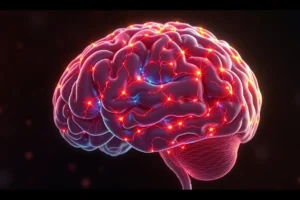
Neuroimaging studies reveal that OCD is intricately linked to specific brain regions. Particularly, areas such as the orbitofrontal cortex and the basal ganglia exhibit heightened activity in individuals with OCD, suggesting that the disorder may stem from a neurobiological miscommunication. This revelation highlights the possibility that OCD is as much a matter of brain chemistry as it is about behavior.
3. The Role of Genetics
Genetic predisposition plays a significant role in determining one’s likelihood of developing OCD. Studies indicate that individuals with a family history of OCD are more prone to experiencing the disorder themselves. This familial connection underlines the complex interplay between genetics and environmental influences, reminiscent of an intricate dance that shapes mental health.
4. A Canvas of Obsessions
Obsessions in OCD can manifest in diverse forms, ranging from fears of contamination to intrusive thoughts about harm. These relentless preoccupations are not merely odd quirks; they represent profound emotional distress. The struggle to combat these thoughts often leads to elaborate compulsions—actions taken to mitigate the anxiety provoked by these obsessions—creating a relentless cycle that can feel inescapable.
5. The Misuse of Terminology
In popular culture, the term “OCD” is often misappropriated to describe individuals who exhibit mundane traits related to order or cleanliness. This trivialization undermines the genuine struggles faced by those with the disorder and perpetuates stigma. It is critical to separate the clinical reality of OCD from casual usage, fostering a more accurate understanding of the condition.
6. The Intersection with Anxiety
OCD is often intertwined with other anxiety disorders, creating a complex psychological landscape. Individuals suffering from OCD may also grapple with general anxiety, social anxiety, or PTSD, compounding their challenges. This overlap necessitates a multifaceted approach to treatment, as a failure to recognize co-occurring disorders could lead to insufficient care.
7. Treatment Triumphs
Fortunately, OCD is treatable. Cognitive Behavioral Therapy (CBT), particularly exposure and response prevention, has emerged as a particularly effective treatment avenue. This therapeutic approach gently nudges individuals to confront their fears, gradually reducing the hold that obsessions and compulsions have over them. In tandem with medication, this treatment protocol can significantly enhance quality of life.
8. The Power of Community
Support from peers and communities can play an indispensable role in the journey of managing OCD. Online forums, support groups, and advocacy organizations provide a platform for individuals to share their experiences and strategies. The shared understanding creates a sense of belonging, lifting the veil of isolation often felt by those with OCD and fostering resilience.
9. The Misinterpretation of Routines
Many individuals with OCD engage in specific routines or rituals, which can easily be misunderstood as mere eccentricities. However, these behaviors often serve a purpose far beyond the surface level. They act as coping mechanisms designed to alleviate the overwhelming anxiety tied to obsessions. So while these routines might appear odd to outsiders, they fulfill a vital role in the individual’s mental landscape.
10. The Fascination with the Unfathomable
OCD’s dual nature—simultaneously a crippling disorder and a source of fascination—often incites curiosity. The intractable nature of obsessions invites contemplation on the human psyche’s fragility and complexity. In many ways, OCD serves as a conduit for exploring deeper philosophical questions about control, anxiety, and the human experience itself.
11. Not Just a Human Condition
Interestingly, OCD-like behaviors are observed in various species beyond humans. Research has documented repetitive behaviors in animals that mirror human obsessive-compulsive tendencies. This cross-species phenomenon raises compelling questions about the evolutionary roots of these behaviors and hints at a significant, yet often overlooked, aspect of the shared animal experience.
Conclusion
The world of Obsessive-Compulsive Disorder is rich, multifaceted, and often misunderstood. As individuals navigate through the maze of symptoms, treatments, and societal perceptions, it becomes increasingly vital to approach OCD with empathy and understanding. From its neurological underpinnings to the communal support it engenders, OCD invites an exploration of the delicate interplay between mind and behavior. By acknowledging the complexities of this disorder, society can foster a more compassionate environment that encourages acceptance and healing.
FAQ
What is Obsessive-Compulsive Disorder (OCD)?
OCD is a mental health disorder characterized by obsessive thoughts and compulsive behaviors that can significantly interfere with daily life.
What are common treatments for OCD?
Common treatments for OCD include Cognitive Behavioral Therapy (CBT), particularly exposure and response prevention, and medication such as SSRIs.
Can OCD affect animals?
Yes, OCD-like behaviors have been documented in various animal species, suggesting a broader understanding of the condition beyond humans.





Leave a Reply