
Short Answer
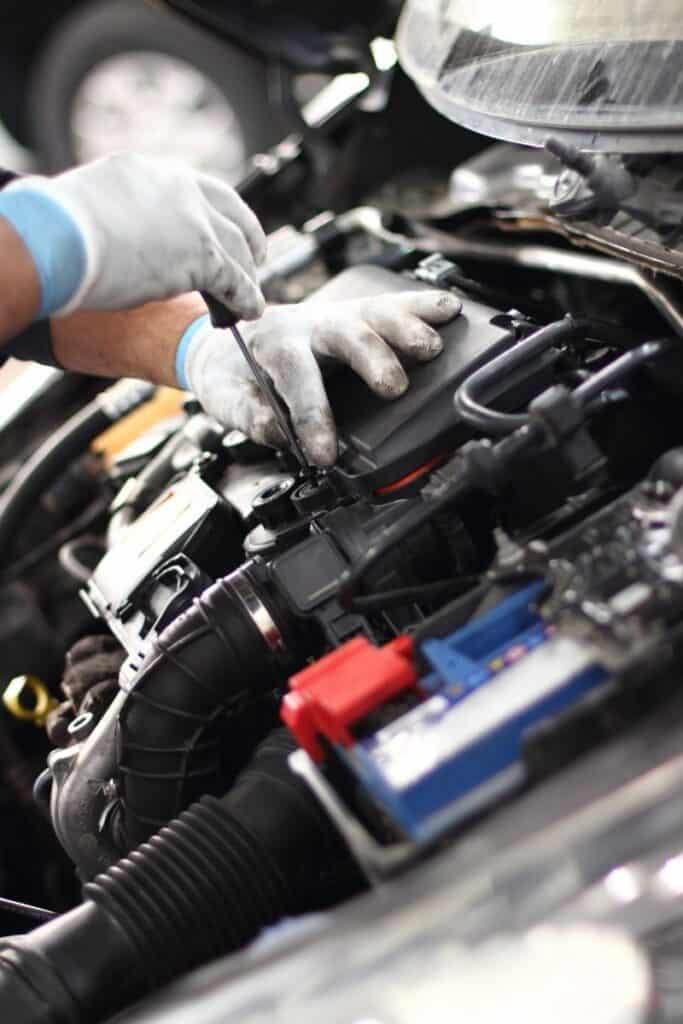
Cars have been an integral part of modern society, representing not just a mode of transportation but a remarkable embodiment of human ingenuity. Their development is a saga of technical prowess, revealing deeper insights into human nature, societal progress, and the quest for speed. This article delves into fascinating facets of cars, focusing on their engines, historical milestones, and intriguing trivia that underscore our collective fascination with these vehicles.
1. The Birth of the Automobile Engine
The inception of the automobile engine can be traced back to the 19th century. Karl Benz is often credited with creating the first true automobile powered by an internal combustion engine in 1885. However, the journey to this milestone involved numerous experimenters. The early engines utilized steam, electricity, and, eventually, gasoline, showcasing an array of engineering ingenuity.
2. The Four-Stroke Cycle Revolution
The four-stroke engine cycle—intake, compression, power, and exhaust—was perfected by Nikolaus Otto in 1876. This design became the bedrock of many modern engines, illustrating a pivotal transition in power generation technology. The efficiency derived from the four-stroke cycle is incredible, allowing cars to convert fuel into motion with remarkable efficacy, spurring the growth of the automotive industry.
3. The Evolution of Engine Types
Over the decades, the automotive landscape has witnessed the emergence of various engine types, each generating particular fascination. From inline and V-engines to rotary engines and hybrid models, the presence of diverse configurations reflects the continuous quest for performance, efficiency, and innovation. For instance, rotary engines, with their compact design and smooth operation, captivate engineers and enthusiasts alike.
4. The Advent of Turbocharging
Turbocharging emerged as a game changer in the 20th century, enhancing an engine’s output without significantly increasing its size. The introduction of turbochargers allowed automobiles to harness exhaust gases to compress incoming air, generating greater power from smaller engines. This technology signifies the blending of performance and efficiency, alluring drivers who seek exhilarating experiences on the road.
5. Iconic Cars and Their Legends
Certain cars have transcended their functional purpose to become cultural icons. The Ford Model T, released in 1908, symbolizes the beginning of mass production, forever altering consumer habits. Simultaneously, the Mercedes-Benz 300SL, introduced in 1952, is celebrated for its pioneering gullwing doors and unmatched performance. These cars not only showcase engineering excellence but also reveal societal shifts towards accessibility and luxury.
6. The Need for Speed: Fastest Cars
The pursuit of speed has always ignited the imagination. The Bugatti Chiron Super Sport 300+ made headlines with its astounding top speed of 304 miles per hour, shattering previous records. The fascination with speed is profound; it speaks to the desire for freedom, thrill, and prestige—elements deeply entwined in the human experience.
7. The Impact of Technology
Modern cars are increasingly outfitted with sophisticated technology, reshaping what a vehicle can do. From advanced entertainment systems to autonomous driving features, technology not only enhances the driving experience but also addresses safety. The integration of AI in navigation systems and predictive maintenance highlights a future where cars are not only modes of transportation but intelligent companions.
8. The Sustainability Shift
As climate concerns rise, the automotive world is undergoing a radical transformation toward sustainability. Electric vehicles (EVs), pioneered by companies like Tesla, represent a significant shift in energy consumption. With zero tailpipe emissions and the ability to harness renewable energy, EVs cater to an environmentally conscious populace, illustrating how innovation can align with social responsibility.
9. The Globalization of the Car Industry
The car industry is a global phenomenon, with manufacturers collaborating across continents. This interconnectedness has led to the sharing of ideas, cultures, and technologies. For example, Japanese automakers have often set benchmarks in reliability, while German engineers are renowned for their precision. Such interactions not only enhance vehicle quality but also promote a global community bound by a shared passion for automobiles.
10. Motor Sports: Beyond the Aesthetic
Motor sports hold a mirror to the automotive world, showcasing the pinnacle of speed, engineering, and human skill. Events like Formula 1 and Le Mans are not merely competitions; they are laboratories for innovation, where manufacturers experiment with cutting-edge technology to enhance performance under extreme conditions. The thrill of competition serves to heighten public interest, inspiring both budding engineers and everyday enthusiasts.
11. The Future of Automotive Design
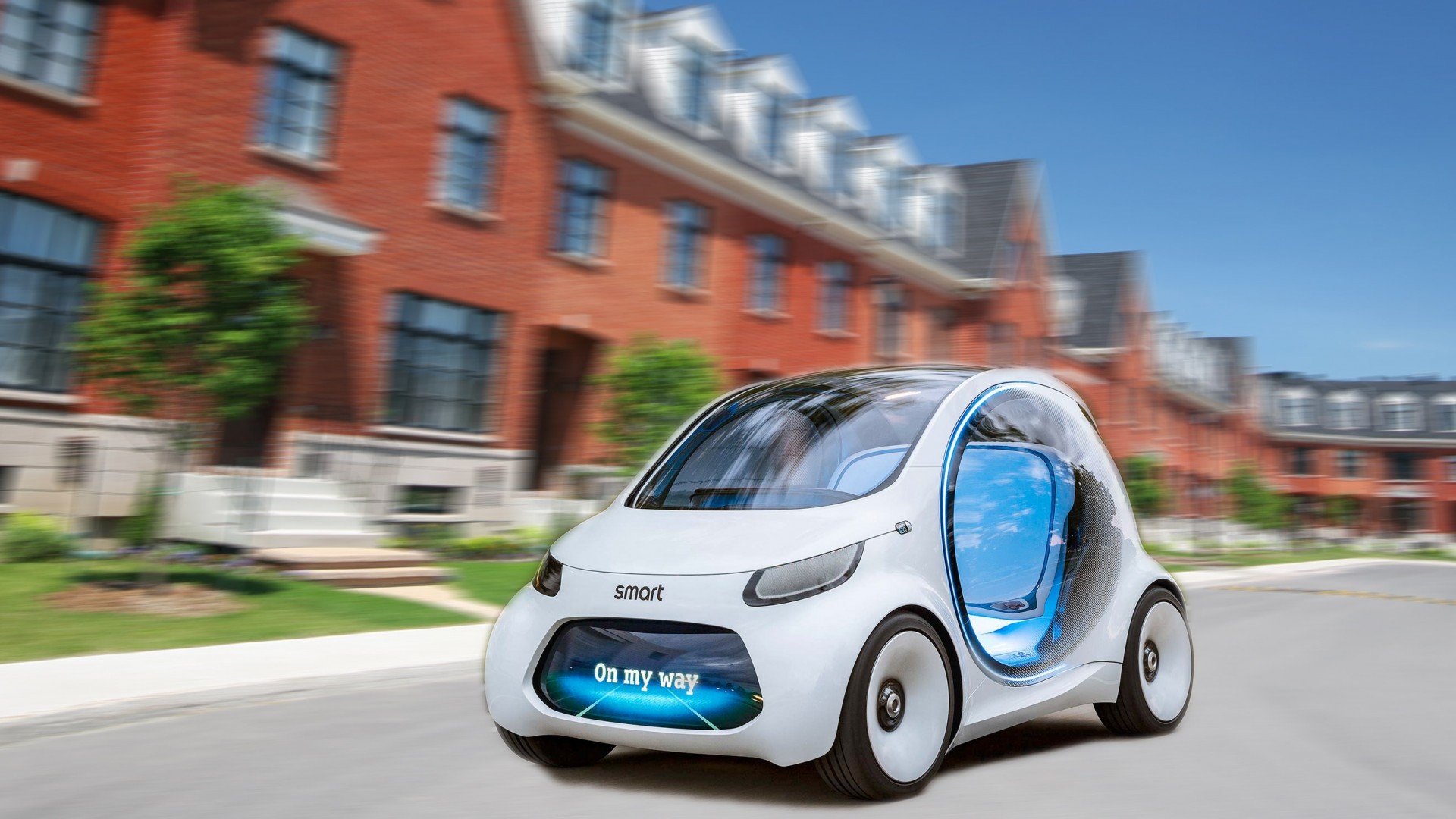
The future is ripe with potential as automotive design evolves to embrace futuristic concepts. Concepts like flying cars and hydrogen fuel cells are not merely figments of imagination; they represent a forward-thinking approach toward combating urban congestion and pollution. As designers and engineers push boundaries, the fascination with cars continues to grow, enticing newer generations to dream big.
12. The Emotional Connection
Ultimately, cars evoke powerful emotions, creating deep connections with their owners. For many, vehicles are more than just machinery; they are symbols of freedom, adventure, and individuality. This emotional investment fosters communities that unite enthusiasts from all walks of life—proving that the world of automobiles is as much about people as it is about technology.
Cars embody a compelling narrative of technological advancement, societal change, and human aspiration. From the earliest engines to the electric vehicles of today, the evolution of cars is a testament to creativity and innovation. As the automotive landscape continues to evolve, one thing remains certain: the fascination with cars is an enduring aspect of our collective journey.
FAQ
What is the first automobile engine?
The first true automobile engine was created by Karl Benz in 1885.
What is a turbocharger?
A turbocharger is a device that enhances an engine’s output by using exhaust gases to compress incoming air.
What are electric vehicles (EVs)?
Electric vehicles are cars that run on electricity, offering zero tailpipe emissions.


Leave a Reply