
Short Answer
21 Facts About Ray Venomous Barbs
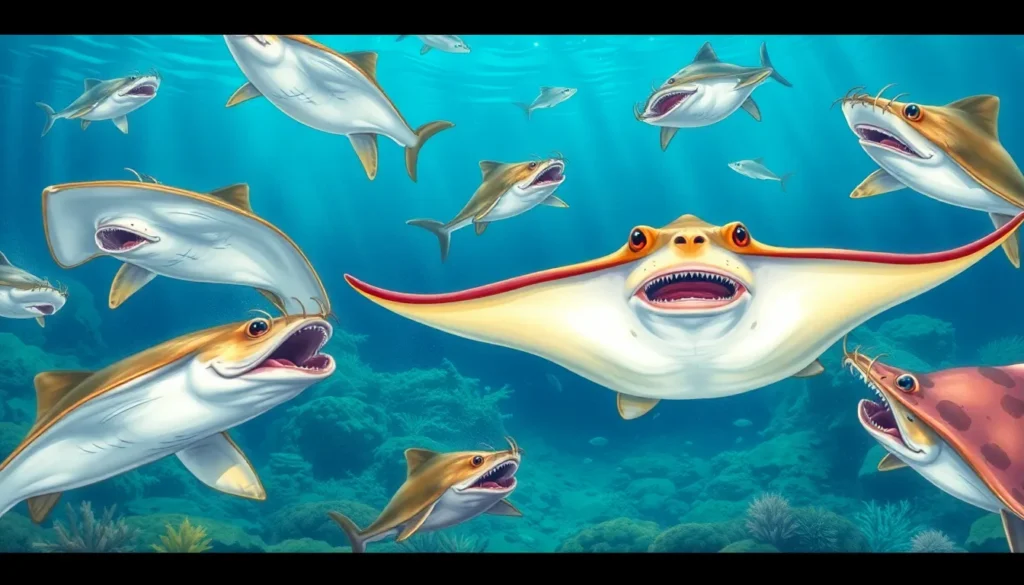
- Venomous Adaptation: Ray venomous barbs have evolved venomous spines as a defense mechanism against predators, allowing them to survive in competitive marine environments.
- Variety of Species: There are numerous species of rays with venomous barbs, including the infamous stingrays and the less known thornback rays.
- Barb Structure: The venomous barbs are typically serrated, which not only injects venom but also causes significant injury to potential threats.
- Venom Composition: The venom of ray species varies; it often contains a mix of proteins and enzymes that can cause pain and swelling in humans.
- Habitat: Ray venomous barbs inhabit a variety of marine environments, ranging from shallow coastal waters to deeper oceanic regions.
- Behavioral Traits: Rays are generally bottom dwellers and are known for their unique swimming style, gliding gracefully through the water with their pectoral fins.
- Feeding Habits: Rays primarily feed on small fish and invertebrates, using their flat bodies to camouflage against the ocean floor.
- Reproduction: Many ray species are ovoviviparous, meaning they give birth to live young after the eggs hatch inside the mother’s body.
- Critical Role in Ecosystems: Rays help maintain the balance of marine ecosystems by controlling the population of bottom-dwelling organisms.
- Threats to Survival: The primary threats to ray populations include habitat destruction, overfishing, and pollution, leading to declines in certain species.
- Human Interaction: While stingrays can be dangerous to humans, most species are not aggressive and will only sting in self-defense.
- Cultural Significance: Rays have been featured in folklore and mythology across various cultures, symbolizing grace and adaptability.
- Conservation Efforts: Various organizations are working to protect ray species and their habitats through conservation programs and awareness initiatives.
- Longevity: Some ray species can live for over 15 years in the wild, depending on environmental conditions and predation rates.
- Coloration: The coloration of rays often serves as camouflage, helping them avoid predators and ambush prey.
- Size Variation: The size of ray species varies widely, from small species measuring less than a foot to larger species that can reach up to 10 feet in width.
- Social Behavior: Some rays exhibit social behaviors, often seen swimming in groups during certain seasons, especially while breeding.
- Impact of Climate Change: Climate change poses a threat to ray habitats, affecting their breeding and feeding grounds.
- Research Importance: Studying ray venomous barbs contributes to medical research, particularly in understanding pain mechanisms and developing new pain relief methods.
- Stingray Festivals: In some coastal regions, stingray festivals celebrate these creatures, promoting awareness and education about their importance.
- Color Change: Some rays can change their color to blend into their surroundings, enhancing their camouflage.
Habitat and Behavior
Ray venomous barbs inhabit diverse marine environments, often found in shallow coastal areas, estuaries, and even deeper oceanic waters. They prefer sandy or muddy substrates, where they can easily camouflage themselves. Rays exhibit a unique swimming style, gliding through the water using their large pectoral fins. They are primarily nocturnal feeders, hunting small fish and invertebrates at night while resting on the ocean floor during the day.
Why This Animal Matters
Rays play a critical role in marine ecosystems, helping to regulate populations of bottom-dwelling organisms and contributing to the overall health of the ocean environment. Their presence indicates the health of marine habitats. Additionally, their venom is of interest in medical research, potentially leading to advances in pain management and other therapies. Their cultural significance in various societies underscores their importance beyond ecological roles.
Common Misconceptions
All rays are dangerous to humans.
Most rays, including many species with venomous barbs, are not aggressive and only sting in self-defense.
All venomous rays are the same.
Different species have varying venom compositions and effects, with some being more harmful than others.
FAQ
Are all rays venomous?
No, not all ray species possess venomous barbs; it's primarily characteristic of certain species like stingrays.
How do rays use their venom?
Rays use their venom as a defense mechanism to deter predators, causing pain and injury.
Can rays be found in freshwater?
Most rays are marine, but some species, like the river stingray, inhabit freshwater environments.





Leave a Reply