
Short Answer
21 Facts About Sailfish Speed
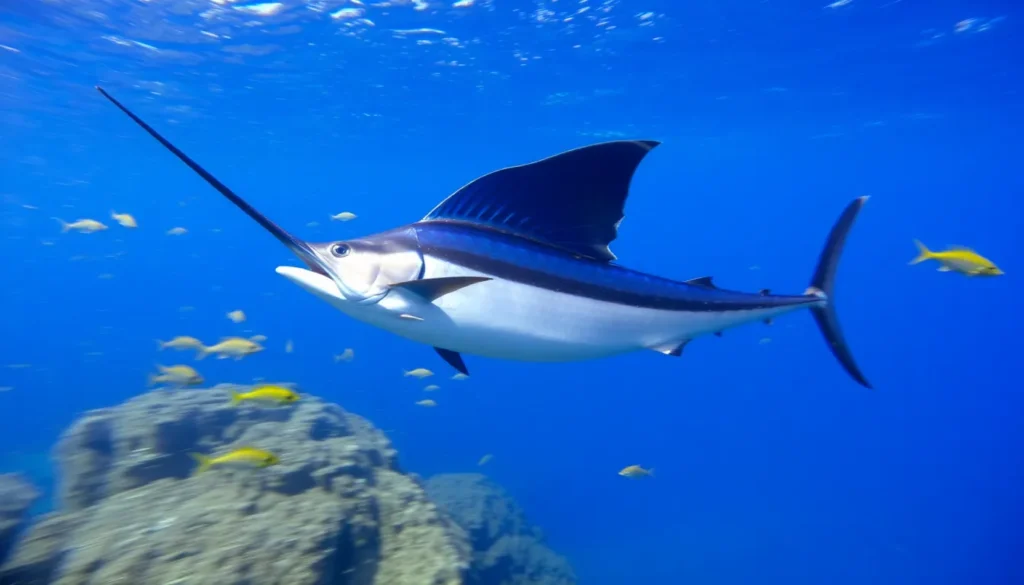
- Fastest Fish: The sailfish is often regarded as the fastest fish in the ocean, capable of swimming at speeds up to 68 miles per hour (110 km/h).
- Body Design: The streamlined body of the sailfish reduces drag, enabling it to reach such high speeds.
- Large Dorsal Fin: The sailfish has a large, retractable dorsal fin known as a sail, which can be raised or lowered.
- Habitat: Sailfish are commonly found in warm ocean waters, particularly in the Atlantic and Pacific Oceans.
- Breaching Behavior: Sailfish are known to leap out of the water, a behavior that may help them shake off parasites or confuse predators.
- Migration Patterns: Sailfish often migrate to follow prey and to spawn, demonstrating seasonal movements.
- Vision: Sailfish have excellent eyesight, which aids in hunting and navigation.
- Social Behavior: Sailfish are often solitary or found in small groups, especially during feeding or spawning.
- Diet: Their diet primarily consists of smaller fish and cephalopods, which they capture using their speed and agility.
- Speed vs. Tuna: While some species of tuna are also fast swimmers, studies suggest that sailfish can outpace them in short bursts.
- Reproductive Speed: Sailfish can spawn multiple times in a single season, contributing to their population dynamics.
- Catch and Release: Sailfish are popular targets for sport fishing, leading to the promotion of catch-and-release practices.
- Research Studies: Several studies have been conducted to understand the biomechanics of sailfish swimming.
- Environmental Impact: Changes in ocean temperature can affect the distribution and behavior of sailfish.
- Age and Growth: Sailfish can live up to four years, and their growth rates can be influenced by environmental factors.
- Conservation Status: While not currently endangered, overfishing poses a risk to sailfish populations.
- Fighting Skill: When hooked, sailfish are known for their acrobatic fighting skills, making them a challenge for anglers.
- Color Changes: Sailfish can change color based on their mood or environment, which can signal stress or aggression.
- Historical Significance: Sailfish have been recognized in various cultures and are often featured in folklore and art.
- Scientific Classification: Sailfish belong to the billfish family and are classified under the genus Istiophorus.
This astonishing speed allows the sailfish to evade predators and catch prey with remarkable efficiency.
The fish’s elongated bill and sleek shape contribute to its hydrodynamic capabilities.
This fin helps stabilize the fish while swimming at high speeds.
They prefer regions with abundant prey, such as schools of small fish and squid.
This acrobatic display also showcases their incredible muscle power and speed.
Understanding their migration is crucial for conservation efforts.
Their keen vision helps them detect prey from a distance, enhancing their hunting success.
They exhibit complex social behaviors when hunting in groups, coordinating attacks on schools of fish.
This diet plays a significant role in the marine food web.
This competitive speed is advantageous for survival in the wild.
High reproductive rates can help maintain stable populations despite fishing pressures.
These practices are essential for conserving sailfish populations.
These studies provide insights into how speed affects their predation and survival.
Climate change poses a threat to their habitat and food sources.
Understanding their life cycle is crucial for effective management strategies.
Efforts are being made to ensure sustainable fishing practices.
This behavior is a testament to their strength and agility.
This ability to change color can also play a role in communication.
They symbolize strength and speed in many maritime societies.
This classification highlights their unique evolutionary traits among fish.
Habitat and Behavior
Sailfish inhabit warm oceanic waters, typically found in the tropical and subtropical regions of both the Atlantic and Pacific Oceans. They are highly migratory, often traveling vast distances in search of food and optimal breeding conditions. Sailfish exhibit a range of behaviors, from solitary hunting to coordinated group attacks on schools of prey. Their exceptional speed and agility make them formidable predators in their marine environment.
Why This Animal Matters
The sailfish plays a crucial role in marine ecosystems as both a predator and prey species. As a top predator, it helps maintain the balance of fish populations in the ocean. Additionally, sailfish are culturally significant, often representing skill and strength in fishing communities. Their conservation is vital for sustaining healthy oceanic environments, and they are a popular species for sport fishing, which can promote responsible fishing practices.
Common Misconceptions
Misconception: Sailfish are the largest fish in the ocean.
Correction: While sailfish are among the fastest, they are not the largest; species like the whale shark hold that title.
Misconception: Sailfish only swim fast when chasing prey.
Correction: Sailfish can reach their top speeds in a variety of situations, including evading predators.
FAQ
What is the top speed of a sailfish?
The sailfish can reach speeds of up to 68 miles per hour (110 km/h), making it one of the fastest fish in the ocean.
Where do sailfish live?
Sailfish are primarily found in warm ocean waters, particularly in the Atlantic and Pacific Oceans.
Are sailfish endangered?
Sailfish are not currently classified as endangered, but they face threats from overfishing and habitat loss.




Leave a Reply