
Short Answer
21 Facts About Parrotfish Sleeping Bubbles
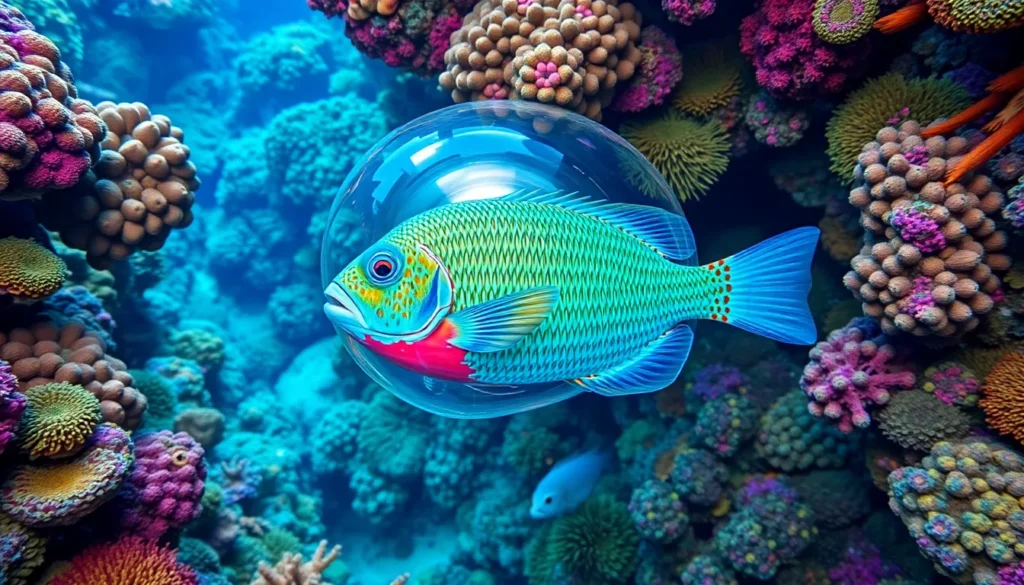
- Parrotfish Create Sleeping Bubbles
Parrotfish are known for producing a mucous cocoon or bubble while they sleep, which provides them protection from predators and parasites. - Mucous Production
The mucous is secreted from specialized cells in the skin, forming a protective barrier that helps mask the fish’s scent. - Predator Deterrent
These sleeping bubbles serve as a defense mechanism, making it harder for predators to detect the fish while they are vulnerable. - Habitat Preference
Parrotfish are primarily found in tropical and subtropical coral reefs, where they play a crucial role in the ecosystem. - Variety of Species
There are over 80 species of parrotfish, each exhibiting unique behaviors and adaptations, including variations in their sleeping bubble techniques. - Sleep Duration
Parrotfish typically sleep for about 10 to 12 hours each night, depending on environmental conditions and threats. - Color Change
While sleeping, parrotfish may exhibit a change in color, which can further help in camouflage within their surroundings. - Social Behavior
Parrotfish are often seen resting in groups, which may provide added security against predators during sleep. - Breathing Mechanism
Despite being in a cocoon, parrotfish can still breathe as water flows through the bubble, thanks to the gill structures in their bodies. - Environmental Impact
Parrotfish contribute to coral reef health by grazing on algae, which helps prevent overgrowth that can smother coral. - Reproductive Behavior
During mating season, parrotfish may exhibit different sleeping patterns or bubble behaviors in response to increased competition. - Parasite Protection
The mucous cocoon also helps protect parrotfish from ectoparasites, reducing the chance of infection. - Vulnerability to Pollution
Habitat degradation due to pollution can affect parrotfish populations and their ability to produce sleeping bubbles. - Human Interaction
Parrotfish are often targeted in recreational fishing, which can impact their populations and the ecosystems they inhabit. - Colorful Appearance
Parrotfish are known for their vibrant colors and unique beak-like teeth, which they use to scrape algae off coral and rocks. - Growth Patterns
Parrotfish grow throughout their lives and can change sex from female to male as they mature, particularly in certain species. - Role in Coral Reef Ecosystems
By feeding on algae, parrotfish help maintain the balance of coral reef ecosystems and promote coral growth. - Behavioral Adaptations
Different species of parrotfish exhibit varied sleeping strategies, including cocoon production and solitary resting habits. - Ecological Indicators
The health of parrotfish populations can indicate the overall health of coral reef ecosystems, making them important for conservation efforts. - Research Interest
Parrotfish sleeping bubbles have become a subject of scientific research, focusing on their behavior and ecological roles. - Conservation Status
Some parrotfish species are threatened due to habitat loss and overfishing, leading to conservation measures aimed at protecting them.
Habitat and Behavior
Parrotfish inhabit shallow tropical and subtropical waters, primarily around coral reefs, where they can find abundant food sources such as algae. They are known for their distinctive feeding habits, using their beak-like teeth to scrape algae off rocks and corals. Parrotfish are social animals, often found in groups, and typically sleep in their protective mucous bubbles at night, which serve to camouflage and protect them from predators.
Why This Animal Matters
Parrotfish play a critical ecological role in coral reef ecosystems by controlling algae populations, allowing coral to thrive. This grazing behavior helps maintain the health of the reef, which is vital for countless marine species. Additionally, their unique sleeping behavior highlights the complexities of marine life and the adaptations species develop to survive in their environments. Conservation of parrotfish is essential, as their decline can lead to significant ecological imbalances in coral reef habitats.
Common Misconceptions
Misconception: Parrotfish sleep in their bubbles to stay warm.
Correction: The primary purpose of the sleeping bubble is to provide protection from predators and parasites, not temperature regulation.
Misconception: All parrotfish species create sleeping bubbles.
Correction: While many parrotfish do produce sleeping bubbles, not all species exhibit this behavior; it varies by species.
FAQ
Why do parrotfish produce sleeping bubbles?
Parrotfish produce sleeping bubbles primarily for protection from predators and parasites.
How long do parrotfish usually sleep?
Parrotfish typically sleep for about 10 to 12 hours each night.
Are all parrotfish species the same?
No, there are over 80 species, each with unique behaviors and adaptations.
Leave a Reply