
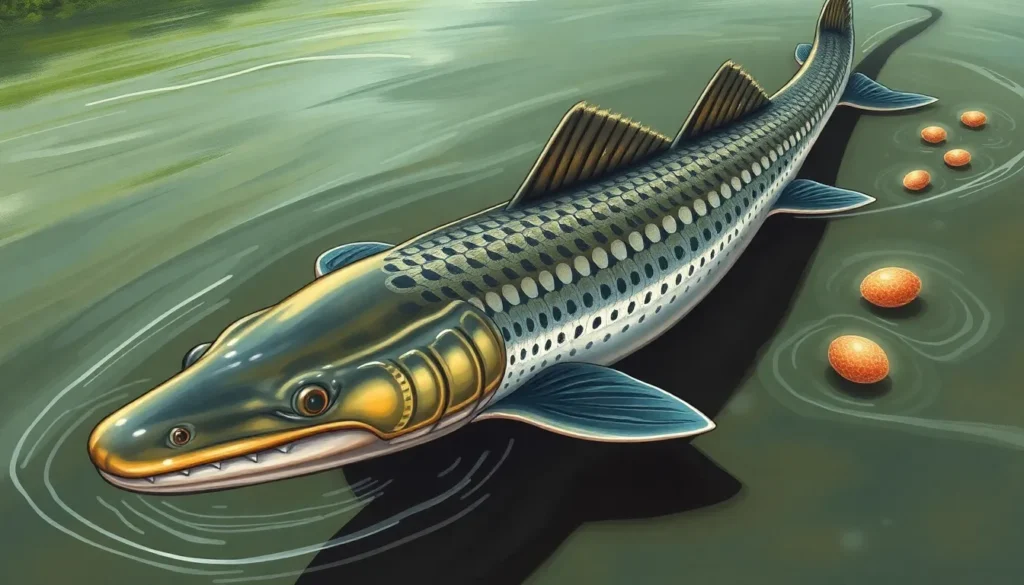
Short Answer
21 Facts About Sturgeon
- Ancient Species: Sturgeon are one of the oldest fish species, with a history spanning over 200 million years.
- Unique Anatomy: Sturgeon have a cartilaginous skeleton, similar to sharks, rather than a bony one.
- Giant Size: Some sturgeon species can grow to be quite large, with the beluga sturgeon reaching lengths of up to 24 feet (7.3 meters).
- Filter Feeders: Many sturgeon species are bottom feeders, using their sensitive barbels to detect food.
- Long Lifespan: Sturgeon have long lifespans, often living over 50 years, with some even exceeding 100 years.
- Slow Maturation: Sturgeon take a long time to reach sexual maturity, which can be up to 20 years or more depending on the species.
- Caviar Production: Sturgeon are renowned for their roe, which is processed into caviar, a delicacy enjoyed worldwide.
- Habitat Variety: Sturgeon are found in a range of habitats, from freshwater rivers and lakes to saltwater regions.
- Conservation Status: Many sturgeon species are endangered or threatened due to habitat loss and overfishing.
- Unique Reproductive Strategies: Sturgeon can migrate long distances to spawn, often returning to their natal rivers.
- Distinctive Scutes: Sturgeon are characterized by their bony scutes, which provide protection and contribute to their unique appearance.
- Environmental Indicators: Sturgeon populations can serve as indicators of aquatic ecosystem health.
- Global Distribution: Sturgeon species are found in the Northern Hemisphere, particularly in Europe, Asia, and North America.
- Famous Species: The beluga, osetra, and sevruga are among the most well-known sturgeon species used for caviar production.
- Behavioral Characteristics: Sturgeon are known for their ability to leap out of the water, a behavior thought to be linked to communication or predator evasion.
- Threats from Pollution: Water pollution poses a significant threat to sturgeon, affecting their health and reproductive success.
- Traditional Uses: Historically, sturgeon have been harvested for their meat and roe in many cultures.
- Hybrid Species: Some sturgeon species can hybridize, leading to unique genetic combinations and characteristics.
- Research Importance: Sturgeon are often studied for their unique physiology and evolutionary adaptations.
- Ecological Roles: Sturgeon play a vital role in their ecosystems as both predators and prey.
This lineage places them alongside dinosaurs, highlighting their evolutionary significance and resilience through various environmental changes.
This adaptation aids in buoyancy and flexibility, allowing them to thrive in diverse aquatic environments.
Their impressive size makes them one of the largest freshwater fish, playing a significant role in their ecosystems.
They primarily consume invertebrates, small fish, and plant matter, contributing to the health of their aquatic habitats.
This longevity makes them particularly vulnerable to overfishing and habitat loss.
This slow reproductive rate complicates population recovery efforts after declines.
The demand for caviar has significant economic implications and poses threats to sturgeon populations due to overfishing.
This adaptability allows them to occupy various ecological niches across different geographical areas.
Conservation efforts are in place globally to protect these ancient fish and their habitats.
This behavior is crucial for maintaining genetic diversity within populations.
These features differentiate them from other fish species and are vital for their survival in the wild.
Their presence and well-being reflect the overall condition of their habitats, making their conservation important.
This geographical range highlights their adaptability and the varied ecosystems they inhabit.
Each species produces caviar with distinct flavors and textures, contributing to their culinary value.
This acrobatic ability is a fascinating aspect of their behavior and ecology.
Efforts to reduce pollution in aquatic environments are crucial for their survival.
This long-standing relationship highlights their cultural significance and the need for sustainable practices.
This phenomenon can impact conservation and management strategies.
Understanding these aspects can provide insights into the evolution of vertebrates.
By maintaining the balance of their habitats, they contribute to overall aquatic health.
Habitat and Behavior
Sturgeon inhabit a variety of aquatic environments, including rivers, lakes, and estuaries. They prefer clean, well-oxygenated waters with ample food sources. Many species migrate between freshwater and saltwater, particularly during spawning. Their bottom-feeding behavior allows them to effectively search for food, which primarily consists of invertebrates and small fish.
Why This Animal Matters
Sturgeon are ecologically significant as they help maintain the health of aquatic ecosystems. Their presence indicates a balanced environment, and they contribute to nutrient cycling within their habitats. Culturally, sturgeon and their roe are of great importance, particularly in culinary traditions where caviar is considered a luxury item. Conservation efforts are critical, as many sturgeon species face threats from habitat destruction and overexploitation.
Common Misconceptions
Misconception: All sturgeon produce caviar.
Correction: Only certain species of sturgeon produce caviar, and the quality and type vary significantly among species.
Misconception: All caviar is the same.
Correction: Caviar differs in flavor, texture, and appearance depending on the sturgeon species and processing methods used.
FAQ
What is caviar made from?
Caviar is made from the roe of sturgeon, and it is processed and salted for consumption.
Are all sturgeon species endangered?
Not all sturgeon species are endangered, but many face significant threats from habitat destruction and overfishing.
How can sturgeon be conserved?
Conservation efforts include habitat restoration, sustainable fishing practices, and legal protections for endangered species.

Leave a Reply