
Short Answer
21 Facts About Common Pet Toxins
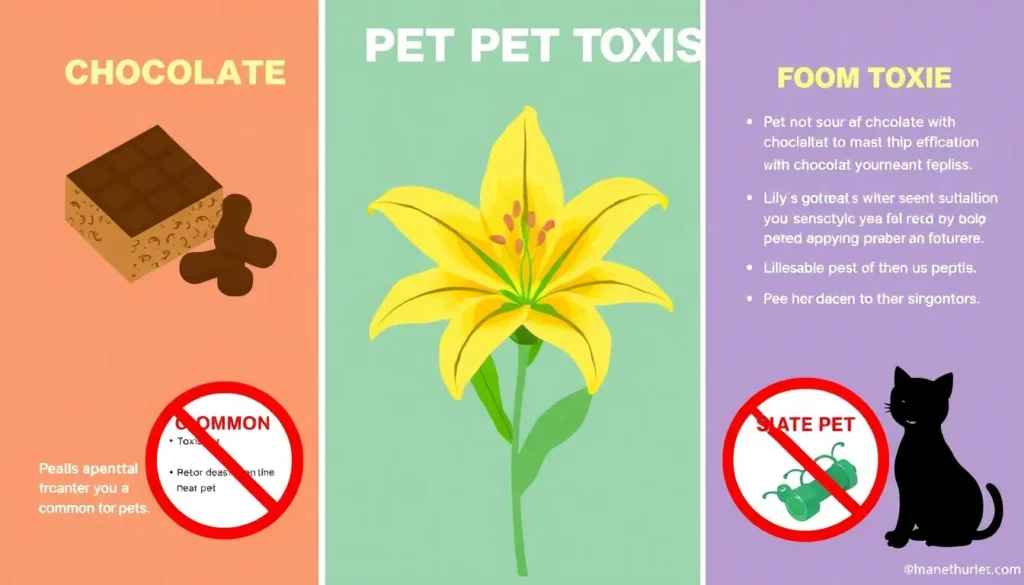
- Chocolate is toxic to pets. Theobromine, a compound found in chocolate, is harmful to dogs and cats. Even small amounts can cause symptoms like vomiting, diarrhea, and increased heart rates.
- Dark chocolate is more dangerous than milk chocolate. Dark chocolate contains higher levels of theobromine, making it more toxic to pets.
- Signs of chocolate poisoning can appear within hours. Depending on the amount ingested, symptoms like restlessness, rapid breathing, and muscle tremors can occur within 6 to 12 hours.
- White chocolate is less toxic. While it may still cause gastrointestinal upset, white chocolate contains negligible amounts of theobromine.
- Lilies are highly toxic to cats. All parts of the lily plant are poisonous to felines, leading to acute kidney failure if ingested.
- Even small amounts of lily can be harmful. Ingestion of just a few petals can cause severe health issues, making it crucial for cat owners to keep these flowers out of reach.
- Symptoms of lily poisoning include vomiting and lethargy. These can develop within a few hours of ingestion, followed by more severe signs like increased thirst and urination.
- Immediate veterinary care is essential. If a cat is suspected of ingesting lilies, immediate medical attention can significantly improve recovery chances.
- Other common pet toxins include grapes and raisins. These can cause kidney failure in dogs, emphasizing the need for vigilance regarding household foods.
- Onions and garlic are also toxic. They can damage red blood cells in both dogs and cats, leading to anemia.
- Artificial sweeteners like xylitol are dangerous. Found in sugar-free products, xylitol can cause a rapid insulin release in dogs, leading to hypoglycemia.
- Caffeine is harmful to pets. Similar to chocolate, caffeine can increase heart rates and cause restlessness in both dogs and cats.
- Avocados can be problematic for birds and dogs. The pit and skin contain persin, which can cause gastrointestinal distress.
- Macadamia nuts are toxic to dogs. Ingestion can lead to weakness, tremors, and hyperthermia.
- Household cleaners pose risks. Many common cleaning products are toxic to pets if ingested or inhaled, necessitating careful storage.
- Human medications are a significant risk. Many over-the-counter and prescription drugs can be fatal to pets if consumed, making it crucial to keep them secured.
- Rodenticides can be deadly. These poisons can cause severe internal bleeding, organ failure, or death in pets that ingest them.
- Pet owners should educate themselves on toxic plants. Many common plants, like azaleas and oleander, are harmful to pets if ingested.
- Prevention is key. Keeping harmful substances out of reach and being aware of potentially dangerous foods and plants can protect pets.
- Regular vet check-ups can help. Discussing pet diet and environment with a veterinarian can prevent accidental poisoning.
- Emergency preparedness is important. Having a list of toxic substances and emergency contact numbers can aid in quick response if a pet is poisoned.
Habitat and Behavior
Chocolate is a food item derived from cacao beans, which are not naturally part of a pet’s diet. Pets, especially dogs and cats, may inadvertently consume chocolate when it is left unattended. Lilies are plants that thrive in various environments, often found in gardens and as houseplants. Cats, particularly, may be drawn to the scent of lilies, leading to accidental ingestion.
Why This Topic Matters
Understanding common pet toxins is crucial for pet owners, as it directly impacts the health and safety of their animals. The ecological role of certain plants and foods in their natural environment can also lead to unintended consequences when introduced into domestic settings. Awareness can contribute to better pet care and potentially save lives.
Common Misconceptions
Misconception: All chocolate is equally toxic to pets. Correction: Dark chocolate is significantly more toxic than milk chocolate due to higher theobromine levels.
Misconception: Lilies are safe as long as they are kept out of reach. Correction: All parts of the lily plant are toxic to cats, and ingestion can occur even with minimal exposure.
FAQ
What should I do if my pet ingests chocolate?
Contact a veterinarian immediately for advice and possible treatment options.
Are all lilies toxic to pets?
Yes, all parts of the lily plant are toxic to cats and can lead to serious health issues.
How can I prevent my pet from ingesting toxins?
Keep harmful substances out of reach, educate yourself on toxic plants and foods, and consult your vet regularly.



Leave a Reply