
Short Answer
21 Facts About Mascot Animals
- Origins of Mascot Animals: Many sports teams choose animals as mascots due to their symbolic traits such as strength, speed, or courage, which teams aspire to represent.
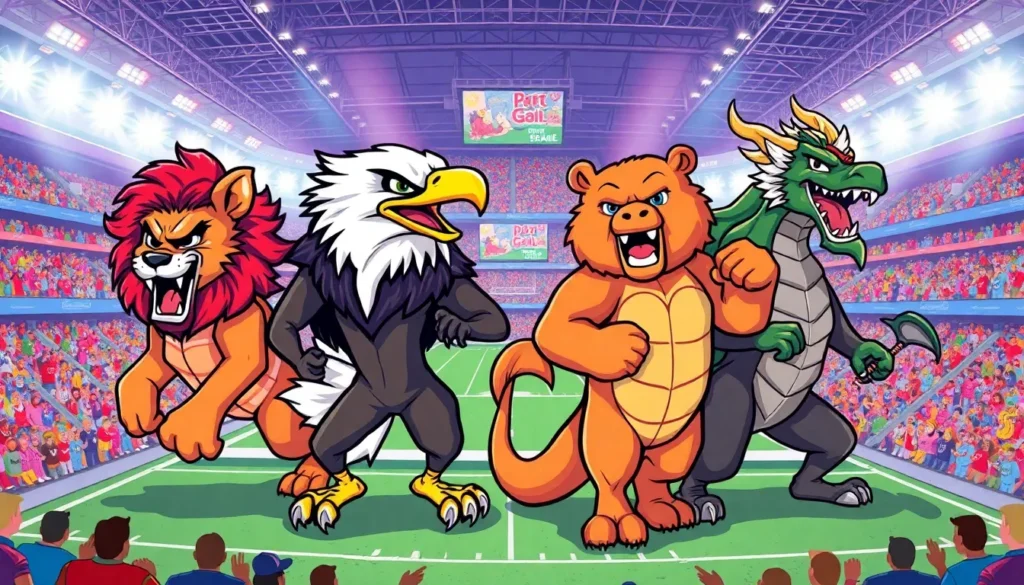
- Diverse Species Represented: Mascot animals range widely from common mammals like bears and lions to birds such as eagles and hawks, and even mythical creatures like dragons.
- Live Animal Mascots: Some teams maintain live animals as mascots, such as the University of Georgia’s bulldog or the Baltimore Ravens’ actual raven, adding authenticity and fan engagement.
- Costumed Mascots: Most mascot animals appear as costumed characters, allowing performers to interact playfully with fans during games and events.
- Symbolism in Mascot Choice: Teams often select animals that reflect regional wildlife or historical significance, fostering local pride.
- Evolution of Mascot Designs: Over time, mascot designs have evolved from simple logos to dynamic, animated characters to enhance fan appeal.
- Gender Representation: Some mascots are designed with gender-specific traits, while others remain gender-neutral to appeal broadly.
- Marketing and Branding: Mascot animals are integral to team branding, appearing on merchandise, advertisements, and digital media.
- Community Roles: Mascots often participate in community outreach programs, charity events, and school visits to promote team spirit.
- Fan Identification: Mascot animals help fans identify with their teams, creating a shared symbol that unites supporters.
- Superstitions and Mascots: Some fans and players believe that mascots bring good luck or positive energy during games.
- Impact on Team Culture: Mascots contribute to a team’s identity, traditions, and rituals, including pre-game and halftime shows.
- Environmental Awareness: Certain teams use their mascot animals to raise awareness about wildlife conservation and environmental issues.
- Use of Mythical Animals: Some teams adopt mythical creatures like dragons or griffins to embody unique qualities or regional folklore.
- International Variations: Mascot animals vary globally, reflecting different cultural values and wildlife native to each region.
- Historic Mascots: Some teams have mascots with a long history, dating back several decades, becoming iconic symbols in sports.
- Animal Welfare Concerns: The use of live animal mascots has raised ethical questions concerning their treatment and wellbeing.
- Technological Integration: Modern mascots often incorporate technology, such as animatronics or digital avatars, to engage fans.
- Influence on Youth: Mascots play a role in inspiring young fans to develop an interest in sports and team loyalty.
- Mascot Competitions: Some sports leagues hold mascot contests or events where mascots compete in entertaining challenges.
- Legal Protections: Mascot designs and characters are often trademarked to protect team branding and intellectual property.
Habitat and Behavior
While mascot animals in sports are symbolic rather than literal representations of their species, they often reflect animals found in specific natural habitats. For example, bears as mascots may represent species inhabiting forests and mountains, known for their strength and solitary behavior. Eagles, common mascot birds, are typically found in open areas with tall trees or cliffs, known for keen eyesight and impressive flight capabilities. Understanding the natural behavior of these animals helps teams embody traits like agility, power, or resilience. However, in the sports context, mascots are anthropomorphized and do not exhibit actual animal behaviors but rather serve as cultural symbols.
Why This Animal Matters
Mascot animals serve multiple important roles beyond mere representation. Ecologically, the animals chosen often highlight regional wildlife, fostering awareness and appreciation for local ecosystems. Culturally, mascots help build team identity and fan community, providing a unifying symbol that transcends the sport itself. In some cases, mascots contribute to conservation messaging, encouraging fans to support wildlife protection efforts. Furthermore, mascots enhance the entertainment value of sports events, creating memorable experiences for attendees and viewers alike. Their presence underscores the intersection of nature, culture, and sport.
Common Misconceptions
Misconception: All sports mascots are live animals.
Correction: While some teams have live animal mascots, most use costumed characters or logos to represent their mascot animals.
Misconception: Mascot animals always reflect local wildlife.
Correction: Although many mascot animals are chosen for regional significance, some are selected for symbolic or mythical reasons without local ecological ties.
Misconception: Mascot animals are only for marketing purposes.
Correction: Mascots serve broader functions including community engagement, cultural identity, and sometimes promoting environmental awareness.
Misconception: Mascot animals are static and do not evolve.
Correction: Mascots often undergo redesigns and updates to stay relevant with changing fan demographics and branding trends.
Misconception: All mascot animals are depicted realistically.
Correction: Mascots often feature exaggerated, cartoonish designs to appeal to audiences, especially children.
FAQ
Why do sports teams use animals as mascots?
Sports teams often choose animals as mascots because animals can symbolize traits like strength, speed, or courage that teams want to embody. Additionally, animals can foster a strong connection with regional identity or cultural symbolism.
Are all sports mascots live animals?
No, most sports mascots are costumed characters or logos. Only some teams use live animals as mascots, and these are often managed with attention to animal welfare.
How do mascot animals contribute to team branding?
Mascot animals play a crucial role in team branding by providing a recognizable and engaging symbol that appears on merchandise, marketing materials, and at events, helping to build fan loyalty and identity.


Leave a Reply