
Short Answer
21 Facts About Animal Actors in Film
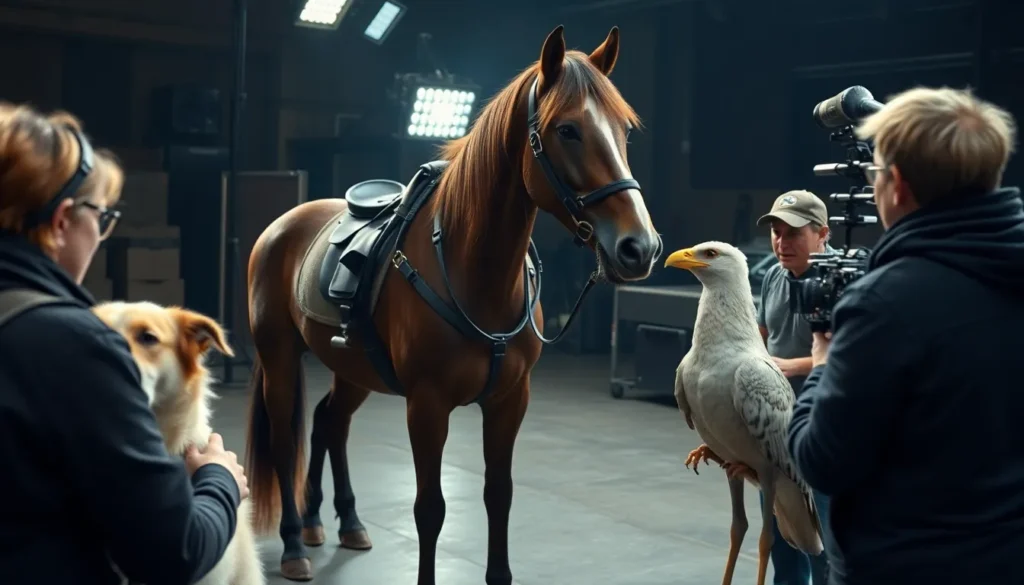
- Early Use of Animal Actors: Animal actors have been used in films since the silent film era, with dogs, horses, and birds appearing in early 20th-century movies.
- Variety of Species: Films have featured a diverse range of animal actors, including dogs, horses, cats, birds, dolphins, elephants, and even insects.
- Famous Canine Stars: Dogs like Rin Tin Tin and Lassie became iconic animal actors, starring in numerous films and television shows.
- Specialized Training: Animal actors undergo specialized training to perform specific behaviors on cue, often using positive reinforcement techniques.
- Animal Trainers’ Role: Professional trainers work closely with animal actors to ensure their safety, well-being, and effective performance during filming.
- Animal Welfare Regulations: Many countries have strict regulations and guidelines to protect animal actors from harm during film production, often monitored by organizations like the American Humane Association.
- Multiple Animals for One Role: It is common to use multiple animals to portray a single character to avoid fatigue and ensure consistent performance.
- On-Set Animal Handlers: Handlers remain on set to manage animal actors and respond immediately to any signs of distress or discomfort.
- Use of CGI and Animatronics: In recent decades, computer-generated imagery (CGI) and animatronics have supplemented or replaced live animal actors in some films to ensure safety and achieve complex scenes.
- Iconic Horse Actors: Horses have played significant roles in Western and historical films, with some becoming famous in their own right, such as Trigger, the horse of Roy Rogers.
- Animal Actors and Box Office: Movies featuring animal actors often attract family audiences, contributing to box office success.
- Animal Actors in Voice Roles: While less common, some animal actors have been trained to perform vocalizations for films, such as barking or growling on cue.
- Challenges in Filming with Animals: Filmmakers face challenges such as unpredictability, animal fatigue, and the need for multiple takes when working with animal actors.
- Notable Animal Actor Trainers: Trainers like Frank Inn have been instrumental in preparing animal actors for roles in films and television.
- Animal Actors and Awards: While animal actors are not eligible for traditional acting awards, some films have received recognition for their effective use of animal performances.
- Ethical Concerns: The use of animal actors raises ethical questions, leading to increased advocacy for animal rights and alternatives to live animal use in entertainment.
- Animal Actors in International Cinema: Animal actors are used worldwide across various film industries, reflecting cultural differences in the portrayal of animals.
- Animals as Symbols: Animal actors often symbolize specific traits or themes in films, such as loyalty, courage, or wilderness.
- Training Duration: Training an animal actor can take weeks to months, depending on the complexity of the required behaviors and the species.
- Famous Animal Actors Today: Some modern animal actors continue to gain fame, including dogs like Uggie from “The Artist” and cats like Orangey from classic Hollywood films.
- Legacy of Animal Actors: Animal actors have contributed significantly to cinema history, helping to create memorable moments and emotional connections with audiences.
Habitat and Behavior
Animal actors come from various species, each with distinct natural habitats and behaviors. For example, dogs generally live in domestic environments and exhibit social behavior, making them adaptable for training and interaction with humans. Horses, often used in historical and Western films, are herd animals with strong flight instincts, requiring careful handling. Birds used in film may be trained to perform specific flight patterns or vocalizations. Understanding the natural behavior of these animals is crucial for trainers to ensure humane treatment and effective performance. Animal welfare on set involves replicating familiar environments and routines to minimize stress during filming.
Why This Animal Matters
Animal actors play a vital role in storytelling by bringing authenticity, emotional depth, and visual interest to films. Ecologically, they represent the diversity of animal species and often raise awareness about wildlife and conservation issues. Culturally, animal actors have become symbols in popular media, influencing public perceptions and fostering empathy toward animals. Their presence in film has also led to increased interest in animal training and welfare standards. Additionally, animal actors contribute economically to the entertainment industry and related fields such as training, veterinary care, and animal welfare advocacy.
Common Misconceptions
Misconception: Animal actors are forced to perform and often mistreated on set.
Correction: While there have been historical instances of mistreatment, modern film productions are subject to strict animal welfare regulations and oversight by organizations such as the American Humane Association to ensure ethical treatment and safety.
Misconception: CGI has completely replaced live animal actors in films.
Correction: Although CGI is increasingly used, many films still employ trained live animals for authenticity, especially when interaction with human actors is required.
FAQ
How are animal actors trained for films?
Animal actors are typically trained using positive reinforcement methods, where they are rewarded for performing specific behaviors on cue. Trainers spend weeks or months conditioning animals to ensure reliable and humane performance.
Are there regulations to protect animal actors on film sets?
Yes, many countries enforce animal welfare regulations during film production. In the United States, organizations such as the American Humane Association monitor and certify productions to ensure animals are treated ethically and safely.
Has CGI replaced the need for live animal actors?
While CGI technology is increasingly used to depict animals in films, live animal actors are still commonly employed for authenticity, especially when close interaction with human actors is necessary or when natural animal behavior is required.





Leave a Reply