
Short Answer
21 Facts About Clownfish and Anemones
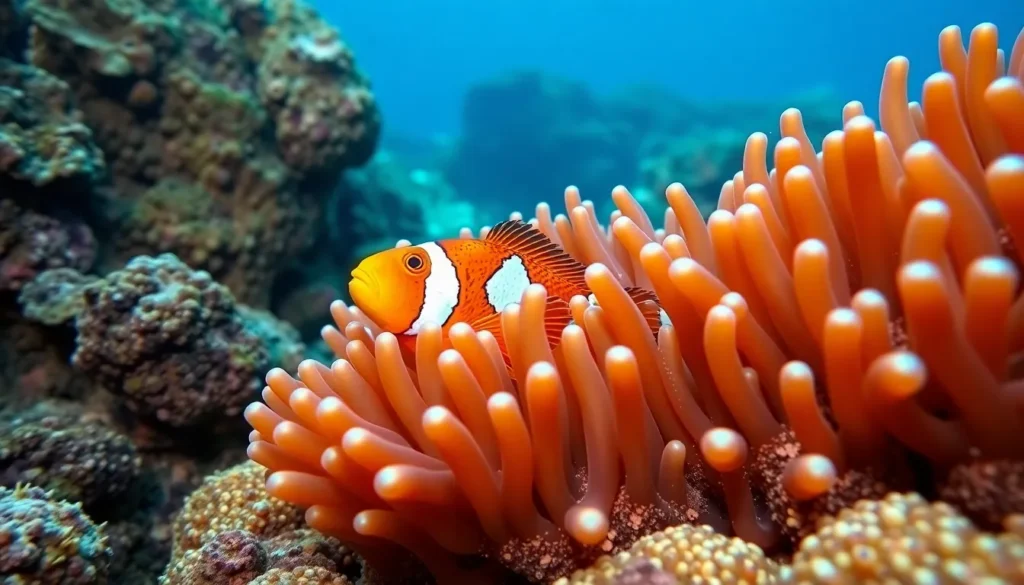
- Mutualistic Symbiosis: Clownfish and sea anemones have a mutualistic relationship where both species benefit; clownfish gain protection while anemones receive cleaning and nutrients.
- Mucus Coating Protection: Clownfish have a special mucus layer that prevents them from being stung by anemone tentacles, allowing them to live safely among them.
- Species Diversity: There are approximately 30 recognized species of clownfish, mostly belonging to the genus Amphiprion.
- Anemone Species: Clownfish typically associate with about 10 species of sea anemones, varying by geographic location and species compatibility.
- Sequential Hermaphroditism: Clownfish are protandrous hermaphrodites, meaning they are born male and can change to female if the dominant female dies.
- Hierarchy System: Clownfish live in strict social hierarchies within their host anemone, with the dominant female at the top.
- Territorial Behavior: Clownfish vigorously defend their anemone territory from intruders, including other fish species.
- Diet: Clownfish primarily eat small invertebrates and algae, and also consume leftovers from the anemone’s prey.
- Anemone Stinging Cells: Sea anemones use nematocysts—stinging cells—to capture prey and deter predators, but clownfish are immune to their sting.
- Reproductive Behavior: Clownfish lay eggs on flat surfaces near or inside the anemone, with males typically guarding and tending the eggs.
- Communication: Clownfish use popping and clicking sounds for communication within their social groups.
- Habitat Range: Clownfish and their anemones are found primarily in the warm waters of the Indian and Pacific Oceans, including the Great Barrier Reef.
- Longevity: In the wild, clownfish can live up to 6-10 years, depending on environmental conditions and species.
- Cleaning Role: Clownfish help keep their anemone hosts clean by eating parasites and dead tentacles.
- Predators: Despite protection by anemones, clownfish can fall prey to larger fish and marine predators when away from their host.
- Importance for Tourism: Clownfish are popular in marine aquariums and ecotourism, contributing to economic value in coral reef regions.
- Vulnerability: Both clownfish and anemones are susceptible to habitat degradation such as coral bleaching and pollution.
- Scientific Interest: The clownfish-anemone relationship is a model system for studying mutualism and marine ecology.
- Camouflage and Coloration: Clownfish exhibit bright orange coloration with white bands, which may help them blend with anemones or warn predators.
- Climate Change Impact: Rising ocean temperatures threaten coral reefs, affecting both clownfish and anemone populations.
- Popular Culture: Clownfish gained global recognition through media such as the film “Finding Nemo,” raising awareness of marine life.
Habitat and Behavior
Clownfish are found in shallow waters of coral reefs in the Indian and Pacific Oceans, including the Red Sea and Great Barrier Reef. They inhabit warm tropical waters where their host sea anemones live. The symbiotic relationship between clownfish and anemones is central to their survival; the anemones provide protection with their stinging tentacles, while clownfish defend the anemone from predators and parasites. Clownfish live in small groups with a strict social hierarchy dominated by a single breeding female. They exhibit territorial behavior, typically residing within a single anemone for life. Their diet consists mainly of plankton, algae, small crustaceans, and leftovers from the anemone’s prey. Reproduction involves males tending eggs laid near the anemone, with the male aggressively guarding the nest until hatching.
Why This Animal Matters
Clownfish and anemones play an important ecological role in coral reef ecosystems by maintaining mutualistic relationships that enhance biodiversity. Their interactions contribute to reef health, with clownfish helping to keep their anemone hosts free from parasites. They also serve as indicators of reef ecosystem health and are popular in marine research for studying symbiosis. Beyond ecology, clownfish hold cultural significance due to their popularity in aquarium trade and media, which has increased public interest in marine conservation. Conservation efforts aimed at protecting clownfish and their habitats are critical as coral reefs face threats from climate change, ocean acidification, and human activity.
Common Misconceptions
Misconception: Clownfish are immune to all types of anemone stings.
Correction: Clownfish are specifically immune to the stings of their host anemone species due to their mucus coating, but this immunity does not extend to all anemone species or other stinging organisms.

Misconception: Clownfish and anemones have a parasitic relationship.
Correction: Their relationship is mutualistic, meaning both species benefit, rather than one harming the other.
Misconception: Clownfish only live with one species of anemone.
Correction: Clownfish associate with multiple anemone species, varying by geographic location and clownfish species.
Misconception: Clownfish are born female.
Correction: Clownfish are born male and can change sex to female in a social hierarchy when the dominant female is lost.
FAQ
How do clownfish avoid being stung by anemones?
Clownfish secrete a special mucus on their skin that prevents the nematocysts (stinging cells) of anemones from firing, allowing them to live safely among the anemone's tentacles.
Can clownfish live without anemones?
While clownfish can survive temporarily without anemones, their survival and protection are greatly enhanced by their symbiotic relationship. Without anemones, clownfish are more vulnerable to predators.
Why do clownfish change sex?
Clownfish live in social groups with a strict hierarchy dominated by one female. If the dominant female dies, the largest male changes sex to become the new female, ensuring reproductive continuity.

Leave a Reply