
Short Answer
21 Facts About Bryozoans
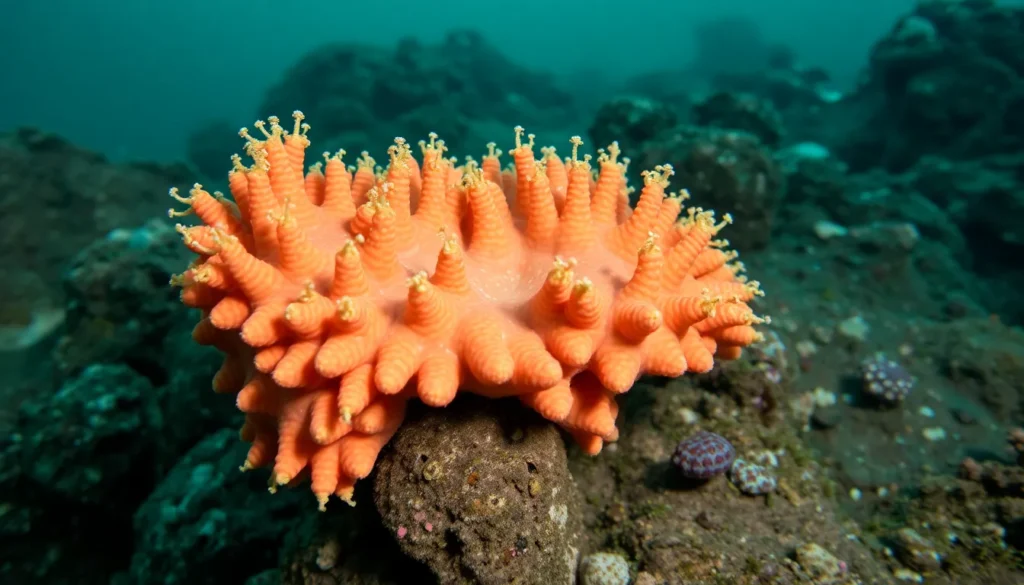
- Colonial Organisms: Bryozoans live in colonies composed of numerous genetically identical individuals called zooids, which function together as a single organism.
- Also Known as Moss Animals: Because of their moss-like appearance, bryozoans are sometimes referred to as “moss animals.”
- Ancient Origins: Bryozoans have a fossil record dating back to the Early Ordovician period, over 450 million years ago.
- Calcium Carbonate Skeletons: Many bryozoans secrete hard exoskeletons made of calcium carbonate, contributing to reef structures.
- Diverse Habitats: They inhabit both marine and freshwater environments worldwide.
- Feeding Mechanism: Bryozoans use a crown of tentacles called a lophophore to filter plankton and organic particles from the water.
- Zooid Specialization: Within colonies, some zooids specialize in feeding, reproduction, or defense roles.
- Reproduction: They can reproduce both sexually, producing larvae, and asexually through budding to expand colonies.
- Larval Stage: Bryozoan larvae are planktonic and undergo metamorphosis to settle and form new colonies.
- Ecological Engineers: Their colonies provide habitat and shelter for various small aquatic organisms.
- Symbiotic Relationships: Some bryozoans host symbiotic algae or bacteria, which may assist in nutrition.
- Varied Colony Forms: Colony shapes range from encrusting sheets to erect branching forms.
- Growth Rates: Growth rates vary widely depending on species and environmental conditions.
- Water Filtration: Bryozoans contribute to water quality by filtering suspended particles.
- Sensitivity to Pollution: Some bryozoans are sensitive to water pollution, making them useful bioindicators.
- Predators: They are preyed upon by nudibranchs, sea urchins, and fish.
- Fossil Reef Builders: Bryozoans have contributed to ancient reef systems and geological formations.
- Taxonomic Diversity: There are about 6,000 described species of bryozoans worldwide.
- Microscopic Size: Individual zooids are typically less than 1 millimeter in size.
- Not Corals: Despite similarities, bryozoans belong to a different phylum than corals.
- Research Importance: Bryozoans are studied for insights into colonial living, biomineralization, and evolutionary biology.
Habitat and Behavior
Bryozoans primarily inhabit aquatic environments, ranging from shallow coastal waters to deep seas, as well as freshwater habitats such as lakes and rivers. They typically attach to submerged surfaces like rocks, algae, shells, or man-made structures. Bryozoan colonies grow by budding new zooids, expanding their colony over time. Feeding behavior involves extending their lophophores to capture microscopic plankton and organic particles from the water. Bryozoans generally remain sessile once settled but rely on their larvae’s mobility for dispersal. Some species can tolerate a wide range of environmental conditions, while others prefer stable, clean waters.
Why This Animal Matters
Bryozoans play an important ecological role by filtering water, which helps maintain water quality and clarity. Their colonies provide habitat complexity, offering shelter and surfaces for other small aquatic organisms, thus supporting biodiversity. Fossil bryozoans have helped scientists understand historical climate and environmental changes. Additionally, bryozoans’ biomineralization processes are of interest in materials science and evolutionary studies. While not commonly targeted for conservation, their sensitivity to pollution makes them valuable bioindicators for monitoring aquatic ecosystem health.
Common Misconceptions
Misconception: Bryozoans are a type of coral.
Correction: Although bryozoans may resemble corals due to their colonial calcium carbonate structures, they belong to a distinct phylum, Bryozoa, separate from the Cnidaria phylum that includes corals.
Misconception: Each bryozoan colony is a single animal.
Correction: A bryozoan colony consists of many individual zooids, each genetically identical but functioning together, making the colony a modular organism rather than a single animal.
FAQ
What are bryozoans?
Bryozoans are small, colonial aquatic invertebrates that filter-feed using a specialized structure called a lophophore. They form colonies made up of many individual zooids and are found in marine and freshwater environments.
How do bryozoans feed?
Bryozoans use their lophophore, a crown of tentacles lined with cilia, to capture microscopic plankton and organic particles from the water, which are then directed to their mouths for ingestion.
Are bryozoans related to corals?
Although bryozoans and corals both form colonies and can have similar appearances, they belong to different phyla. Bryozoans are in the phylum Bryozoa, while corals belong to the phylum Cnidaria.


Leave a Reply