
Short Answer
21 Facts About Planarians
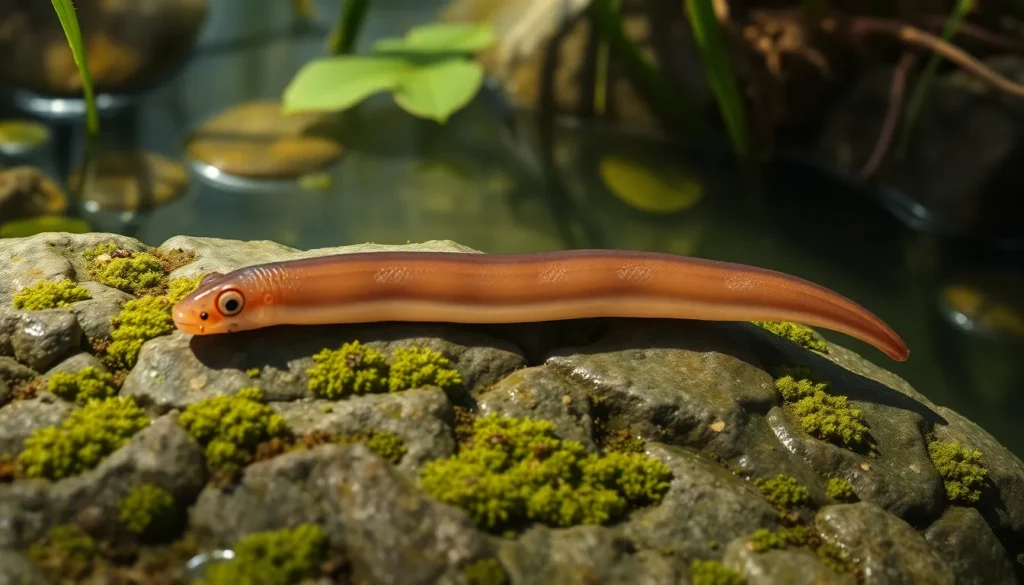
- Planarians belong to the phylum Platyhelminthes. They are non-parasitic flatworms characterized by their soft, flattened bodies.
- They have remarkable regenerative capabilities. Planarians can regenerate entire bodies from small fragments due to a high number of pluripotent stem cells called neoblasts.
- Planarians possess a simple nervous system. Their nervous system consists of a pair of cerebral ganglia and two nerve cords, which is relatively primitive but sufficient for their behaviors.
- They have bilateral symmetry. This body plan allows for a distinct head and tail region, improving mobility and sensory coordination.
- Planarians exhibit cephalization. They have concentrated sensory organs at the head, including eyespots that detect light intensity but do not form images.
- Their digestive system has a single opening. Planarians possess a gastrovascular cavity with one mouth that also serves as an anus.
- They feed mainly on small invertebrates and dead organic matter. Planarians use a muscular pharynx to ingest food.
- Planarians reproduce both sexually and asexually. They can reproduce by cross-fertilization or by fission, where the body splits and regenerates missing parts.
- They are mostly freshwater organisms. Some species inhabit marine or terrestrial environments, but most are found in ponds, streams, and lakes.
- Planarians move using cilia and muscular contractions. Their ventral surface is covered in tiny hair-like cilia that help them glide over surfaces.
- They can survive harsh conditions by encysting. Some species form cysts to withstand unfavorable environments.
- Planarians have been used extensively in scientific research. Their regenerative abilities make them models for developmental biology and stem cell studies.
- They have a relatively simple reproductive anatomy. Planarians are hermaphrodites, possessing both male and female reproductive organs.
- Planarians detect chemicals in their environment. Chemoreceptors help them locate food and avoid harmful substances.
- They lack specialized respiratory and circulatory systems. Gas exchange occurs directly through their body surface by diffusion.
- Planarians can learn simple behaviors. Experiments have demonstrated forms of habituation and associative learning in some species.
- They play a role as predators and scavengers in freshwater ecosystems. By consuming small organisms and detritus, they contribute to ecological balance.
- Planarians are sensitive to light and tend to avoid bright areas. This behavior helps them stay in moist, shaded habitats.
- The size of planarians varies by species. Some are only a few millimeters long, while others can grow up to several centimeters.
- Planarians have been known since the 18th century. Early naturalists studied them for their regeneration, sparking interest in developmental biology.
- Despite their simplicity, planarians have a complex genome. Recent genomic studies reveal genes related to regeneration and stem cell regulation.
Habitat and Behavior
Planarians are primarily found in freshwater environments such as ponds, streams, and lakes, where they prefer shaded, moist areas rich in organic matter. Some species inhabit marine or terrestrial habitats with adequate moisture. They move by gliding on a layer of mucus using cilia on their ventral surface, sometimes aided by muscular contractions. Their behavior includes avoiding light and seeking food sources such as small invertebrates and decomposing organic material. Planarians are mostly solitary and use chemoreception to locate prey and navigate their environment. They can reproduce sexually through cross-fertilization or asexually by splitting, with regeneration allowing each fragment to develop into a complete organism.
Why This Animal Matters
Planarians contribute to aquatic ecosystems as both predators and scavengers, helping regulate populations of smaller organisms and recycling nutrients. Their extraordinary ability to regenerate lost body parts makes them a valuable model organism in biological research, particularly in studies on stem cells, regeneration, and developmental biology. Understanding the mechanisms behind planarian regeneration can offer insights into tissue repair and regenerative medicine. Additionally, planarians serve as indicators of environmental health due to their sensitivity to pollutants and habitat changes.
Common Misconceptions
Misconception: Planarians are dangerous parasites.
Correction: Most planarians are free-living flatworms and not parasitic. While some flatworms are parasites, planarians typically inhabit freshwater environments and pose no threat to humans.
Misconception: Planarians have complex brains.
Correction: Planarians have a simple nervous system with basic cerebral ganglia, but they lack a true brain like those found in more complex animals.
Misconception: Planarians can regenerate from any fragment.
Correction: While planarians have remarkable regenerative abilities, the ability to regenerate depends on the size and part of the fragment; not all pieces can regenerate into a full organism.
Misconception: Planarians only live in water.
Correction: Although most planarians live in freshwater, some species can inhabit marine or moist terrestrial environments.
FAQ
How do planarians regenerate lost body parts?
Planarians regenerate lost body parts through the activity of neoblasts, which are pluripotent stem cells scattered throughout their bodies. These cells proliferate and differentiate into various cell types needed to rebuild tissues and organs.
Where do planarians typically live?
Most planarians live in freshwater habitats such as ponds, streams, and lakes, often preferring shaded, moist environments rich in organic material. Some species also inhabit marine or terrestrial habitats with sufficient moisture.
Are planarians harmful to humans?
No, most planarians are free-living and harmless to humans. Unlike parasitic flatworms, planarians do not cause disease or infection and are generally considered beneficial components of aquatic ecosystems.





Leave a Reply