
Short Answer
21 Facts About Earwigs (again)
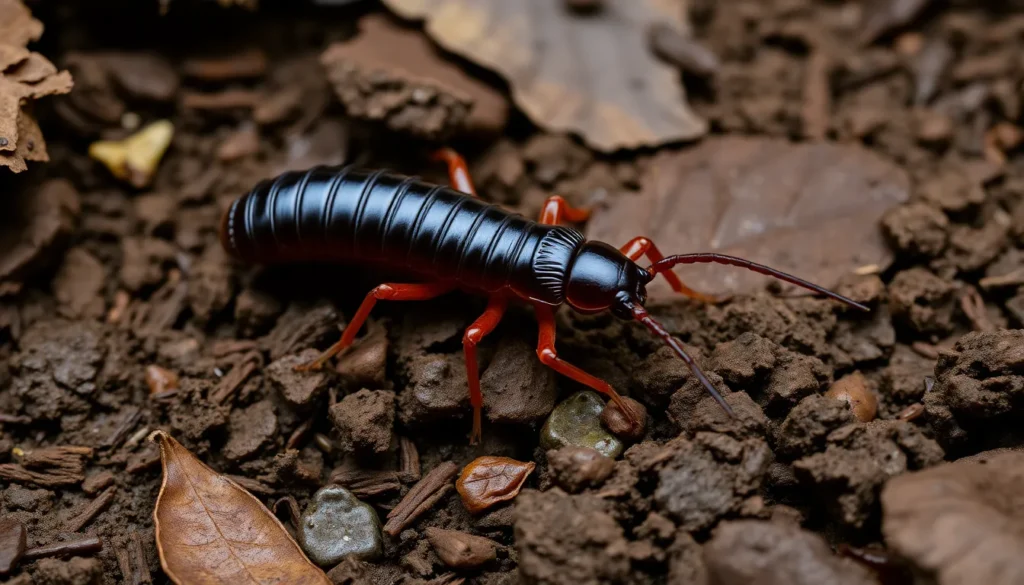
- Distinctive pincers: Earwigs are easily recognized by their forceps-like pincers at the end of their abdomen, which they use for defense, capturing prey, and mating rituals.
- Misleading name origin: Despite their name, earwigs do not crawl into human ears; the term likely comes from old folklore or the shape of their pincers resembling an ear.
- Nocturnal insects: Earwigs are primarily active at night, hiding during the day under rocks, bark, or leaf litter.
- Omnivorous diet: They feed on a variety of materials including plants, decaying organic matter, and small insects.
- Parental care: Unlike many insects, female earwigs exhibit maternal care by guarding and cleaning their eggs and young nymphs.
- Varied species: There are over 2,000 species of earwigs worldwide, found in diverse environments.
- Flight capability: Some earwig species have wings and can fly, although they rarely do so.
- Flexible abdomen: Their elongated bodies allow them to fit into narrow crevices for shelter.
- Defensive behavior: When threatened, earwigs use their pincers to pinch or deter predators.
- Molting process: Earwigs undergo incomplete metamorphosis, molting several times before reaching adulthood.
- Habitat preferences: They thrive in moist, sheltered environments such as gardens, forests, and under debris.
- Non-aggressive to humans: Earwigs rarely bite people and are generally harmless.
- Beneficial pest control: Earwigs can help control populations of aphids and other garden pests.
- Seasonal activity: In temperate regions, earwigs are most active during warm months and may overwinter as adults.
- Communication methods: Some species produce sounds or vibrations by rubbing body parts together.
- Adaptability: Earwigs have adapted to urban areas, often found in gardens and homes.
- Life cycle duration: Earwigs typically live for about one year, depending on species and conditions.
- Natural predators: Birds, toads, and spiders commonly prey on earwigs.
- Scientific classification: Earwigs belong to the order Dermaptera.
- Unique mating rituals: Males often use their pincers in contests to attract females.
- Ecological role: Earwigs contribute to nutrient cycling by feeding on decaying matter and controlling pest insects.
Habitat and Behavior
Earwigs are found worldwide, predominantly in temperate and tropical regions. They prefer damp, dark environments such as under stones, bark, logs, and leaf litter, where moisture helps prevent desiccation. Their nocturnal nature allows them to avoid many predators and harsh daytime conditions. Earwigs are opportunistic feeders, consuming a mix of plant material, small insects, and decomposing organic matter, which positions them as both predators and decomposers in their ecosystems. Their maternal care behavior, uncommon in insects, includes guarding eggs and newly hatched nymphs to increase offspring survival. While some species possess wings and can fly, most rely on crawling and squeezing into small spaces to evade threats.
Why This Animal Matters
Earwigs play an important ecological role by contributing to the control of pest insect populations, such as aphids, which can damage crops and garden plants. Their scavenging habits aid in the decomposition process, recycling nutrients back into the soil. Although often misunderstood, earwigs are generally harmless to humans and can be beneficial in natural and cultivated environments. Additionally, their unique parental care provides valuable insight into insect behavior and evolutionary biology. From a conservation perspective, earwigs are indicators of healthy, moist habitats and biodiversity. Understanding their biology and role can help promote balanced ecosystems and sustainable pest management.
Common Misconceptions
Misconception: Earwigs crawl into human ears and lay eggs.
Correction: This is a myth with no scientific evidence. Earwigs do not seek out ears or lay eggs in them.
Misconception: Earwigs are harmful and aggressive insects.
Correction: Earwigs are generally non-aggressive and rarely bite humans. Their pincers are primarily defensive and used in mating displays.
Misconception: All earwigs can fly.
Correction: While some species have wings, many earwigs are flightless and prefer to move by crawling.
Misconception: Earwigs damage homes.
Correction: Earwigs do not cause structural damage to buildings; they may occasionally enter homes seeking moisture but do not infest or destroy property.
FAQ
Do earwigs crawl into human ears?
No, earwigs do not intentionally crawl into human ears. This is a common myth without scientific support.
Are earwigs harmful to humans?
Earwigs are generally harmless to humans. They may pinch with their pincers if handled roughly but do not pose significant threats.
Can earwigs fly?
Some earwig species have wings and can fly, but they rarely do so and usually move by crawling.





Leave a Reply