
Short Answer
21 Facts About Hermit Crabs
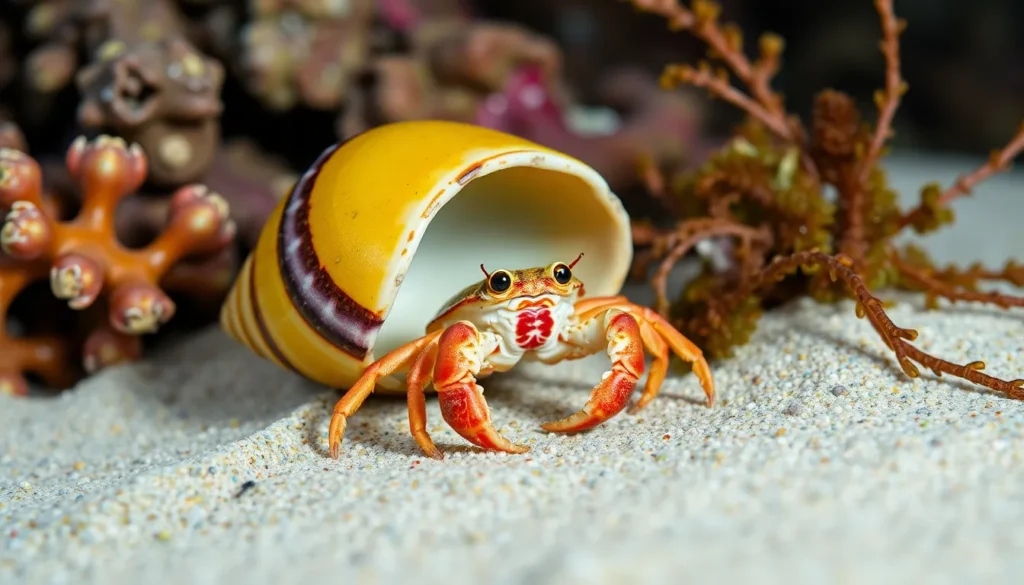
- Hermit crabs are not true crabs. Unlike true crabs, hermit crabs have a soft, asymmetrical abdomen that they protect by occupying empty shells.
- They use abandoned shells for protection. Hermit crabs do not produce their own shells but instead inhabit shells from gastropods to shield their vulnerable bodies.
- Shell selection is critical for survival. Hermit crabs often compete for shells, and a poor fit can leave them vulnerable to predators.
- Hermit crabs can change shells multiple times. As they grow, they must find larger shells to accommodate their increasing size.
- They are primarily scavengers. Hermit crabs feed on detritus, dead animals, and plant material, contributing to nutrient recycling.
- There are both land and marine species. Some hermit crabs live on land but depend on the sea for reproduction, while others live entirely in marine environments.
- Land hermit crabs require access to water. Even terrestrial species need saltwater or brackish water to maintain proper gill function.
- Hermit crabs communicate by drumming and waving. These behaviors are used to establish territory or attract mates.
- Hermit crabs have a lifespan ranging from 5 to 30 years. Lifespan depends on species and environmental conditions.
- They molt to grow. Hermit crabs periodically shed their exoskeletons to allow for growth, a vulnerable time when they hide inside their shells.
- Hermit crabs have specialized claws. One claw is usually larger and used for defense and blocking shell openings.
- They have complex eyes on stalks. This adaptation helps detect predators and navigate their environment.
- Hermit crabs participate in shell exchange gatherings. Groups of hermit crabs may line up to swap shells in a coordinated manner.
- They play an important role in coastal ecosystems. By scavenging, they help keep beaches and reefs clean of organic debris.
- Hermit crabs can be territorial. They may defend their shells aggressively against intruders.
- Some species exhibit parental care. Marine hermit crabs often carry eggs attached to their abdomen until hatching.
- Hermit crabs have a varied diet. Besides scavenging, they may consume algae, small invertebrates, and even carrion.
- They are sensitive to environmental changes. Pollution and habitat loss can negatively impact hermit crab populations.
- Hermit crabs are popular pets. Their unique behavior and relatively simple care requirements make them common in home aquariums.
- Hermit crabs exhibit social behaviors. While not highly social, they do interact during shell exchanges and mating.
- They have adapted to a variety of environments. Hermit crabs are found in tropical and subtropical regions worldwide, from coral reefs to sandy beaches.
Habitat and Behavior
Hermit crabs inhabit a wide range of environments, including marine coastal waters, sandy shores, and terrestrial habitats near the ocean. Marine species are typically found in shallow waters, coral reefs, and tidal pools, while terrestrial species reside in humid forested areas close to saltwater sources. Hermit crabs rely on abandoned gastropod shells for protection because their flexible, soft abdomens lack a hard exoskeleton. Their behavior includes scavenging for food and suitable shells, molting for growth, and engaging in social interactions such as shell exchanges. Land hermit crabs must maintain access to water for respiratory and osmoregulatory functions, and many species migrate to the ocean to reproduce. They are mostly nocturnal to avoid predators and extreme heat, using their claws for defense and communication.
Why This Animal Matters
Hermit crabs play an important ecological role by recycling organic material and cleaning up detritus in both marine and coastal ecosystems. Their scavenging behavior helps maintain environmental health by reducing waste and promoting nutrient cycling. Additionally, hermit crabs serve as prey for various larger animals, contributing to the food web. Their unique shell-utilizing behavior offers insights into evolutionary adaptations and resource competition. In cultural contexts, hermit crabs have been subjects of curiosity and education, often featured in aquariums and natural history exhibits. Conservation of hermit crab habitats is important because pollution, habitat destruction, and the illegal pet trade can threaten local populations and biodiversity.
Common Misconceptions
Misconception: Hermit crabs produce their own shells.
Correction: Hermit crabs do not create shells; they must find and occupy empty shells, usually from marine snails, to protect their soft abdomens.

Misconception: Hermit crabs are solitary animals.
Correction: While not highly social, hermit crabs interact during shell exchanges and mating, indicating a level of social behavior.
Misconception: Hermit crabs can survive on land without any water.
Correction: Terrestrial hermit crabs require access to saltwater or moist environments to maintain their gill function and overall health.
FAQ
Why do hermit crabs use shells?
Hermit crabs have soft, vulnerable abdomens that lack a hard protective exoskeleton. To protect themselves from predators and environmental hazards, they occupy empty gastropod shells, which provide necessary defense and camouflage.
Can hermit crabs live without a shell?
No, hermit crabs cannot survive without a shell because their soft abdomens are exposed to injury and dehydration. The shell is essential for protection and maintaining moisture.
How do hermit crabs find new shells?
Hermit crabs search for new shells as they grow, often competing with other crabs. They may engage in shell exchange gatherings where multiple crabs simultaneously trade shells to find the best fit.

Leave a Reply