
Short Answer
21 Facts About Xoloitzcuintli (Mexican Hairless Dog)
- Ancient Origins
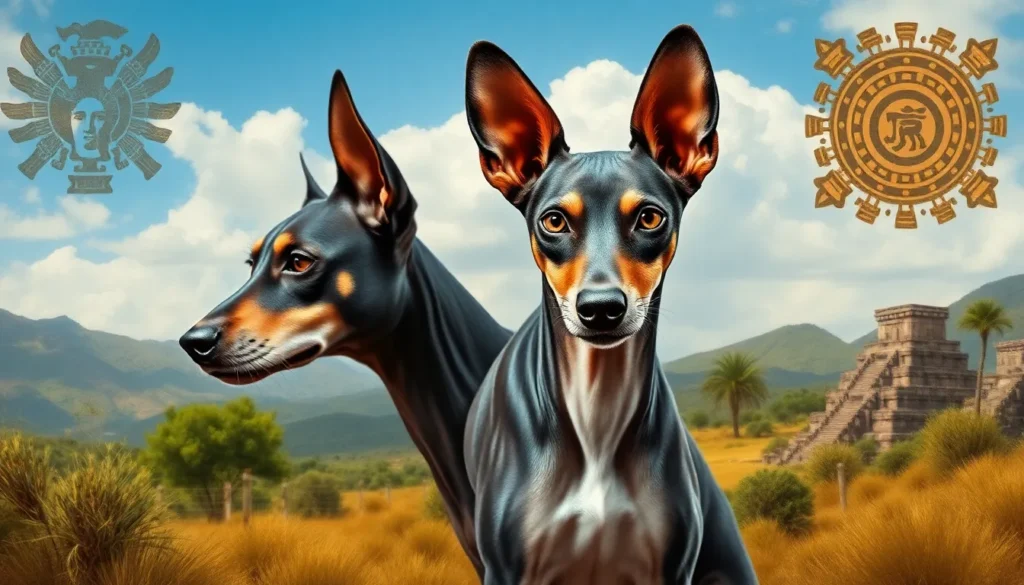
The Xoloitzcuintli is one of the oldest dog breeds in the Americas, with archaeological evidence tracing it back over 3,000 years to pre-Columbian Mexico. - Unique Name
The name “Xoloitzcuintli” derives from the Aztec god Xolotl and the Nahuatl word “itzcuintli,” meaning dog, reflecting its cultural roots. - Hairless and Coated Varieties
This breed comes in two varieties: hairless and coated, with the hairless variety being the more recognized and iconic form. - Size Variations
Xoloitzcuintlis come in three sizes: toy, miniature, and standard, catering to different preferences and living conditions. - Distinctive Appearance
The hairless variety has smooth, tough skin, often described as warm to the touch, and may show some spots or pigmentation. - Low Shedding
The hairless variety sheds very little, making it a potentially suitable pet for people with mild allergies. - Natural Heaters
The breed’s skin produces natural oils that help regulate temperature, and their warmth was traditionally thought to have healing properties. - Cultural Significance
In ancient Mexican cultures, Xoloitzcuintlis were believed to have spiritual powers, including guiding souls to the afterlife. - Mythological Role
The breed was associated with the god Xolotl, who was said to protect the dead and aid in their journey to Mictlan, the underworld. - Companion and Guard Dog
Historically, Xolos served as companion animals, watchdogs, and even helped with hunting. - Hypoallergenic Traits
While not entirely hypoallergenic, the breed’s low shedding and minimal dander make it easier for some allergy sufferers to tolerate. - Skin Care Requirements
Due to their hairless skin, they require regular bathing and protection from sunburn or cold weather. - Temperament
Xolos are known for being intelligent, loyal, alert, and calm, often forming strong bonds with their families. - Recognition by Kennel Clubs
The American Kennel Club officially recognized the breed in 2011 under the Non-Sporting Group. - Health Concerns
They are generally healthy but can be prone to certain issues such as skin irritations and periodontal disease. - Exercise Needs
Xoloitzcuintlis require moderate daily exercise to maintain physical and mental well-being. - Training
They are intelligent and responsive but may exhibit some stubbornness, requiring patient and consistent training. - Rare and Unique
The breed remains relatively rare outside Mexico, contributing to its uniqueness and appeal among dog enthusiasts. - Symbol of Mexican Heritage
Today, the Xoloitzcuintli is considered a national symbol of Mexico, representing ancient history and cultural identity. - Varied Coat Colors
Coated Xolos can have a range of colors, including black, gray, bronze, and slate, often with brindling or spotting. - Longevity
They typically live around 12 to 15 years, with good care and a healthy lifestyle.
Habitat and Behavior
The Xoloitzcuintli is adaptable to various living environments but thrives in moderate climates due to its hairless skin, which is sensitive to extreme temperatures. Traditionally found in Mexico and parts of Central America, they have adapted well to domestic life worldwide. Behaviorally, Xolos are calm, alert, and loyal dogs that bond closely with their owners. They exhibit moderate activity levels, enjoying walks and playtime but also appreciating rest. Their alertness makes them effective watchdogs without being overly aggressive. Socialization from a young age is important to ensure well-rounded behavior around people and other animals.
Why This Animal Matters
The Xoloitzcuintli holds significant cultural and historical importance, deeply intertwined with indigenous Mexican civilizations. It is more than a pet; it is a living link to ancient traditions and mythology. Ecologically, as a native breed, it represents genetic diversity among dogs and preserves traits lost in many modern breeds. Conservation efforts help maintain the breed’s population and heritage, promoting awareness of indigenous animal breeds. Its unique physiology, particularly the hairless trait, contributes to studies in genetics and canine skin care. As a national symbol, the Xolo continues to foster cultural identity and pride in Mexico.
Common Misconceptions
Misconception: The Xoloitzcuintli is completely hypoallergenic.
Correction: While the hairless variety sheds very little and may be suitable for some allergy sufferers, it is not completely hypoallergenic as it still produces dander.
Misconception: All Xoloitzcuintlis are hairless.
Correction: The breed includes both hairless and coated varieties, with the coated having a short, flat coat of fur.
Misconception: The breed does not require much care due to its hairless skin.
Correction: Hairless Xolos require regular skin care, including protection from sun exposure and moisturizing to prevent dryness and irritation.
Misconception: Xoloitzcuintlis are aggressive guard dogs.
Correction: They are alert and protective but generally calm and friendly with proper socialization.
Misconception: The breed originated only recently.
Correction: The Xoloitzcuintli is an ancient breed with archaeological evidence dating back thousands of years in Mexico.
FAQ
Are Xoloitzcuintlis good family pets?
Yes, Xoloitzcuintlis are known for their loyalty, intelligence, and calm demeanor, making them good companions for families that can provide proper socialization and care.
Do Xoloitzcuintlis require special skin care?
Yes, hairless Xolos need regular bathing to remove oils and dirt, moisturizing to prevent dryness, and sunscreen protection to avoid sunburn.
Is the Xoloitzcuintli hypoallergenic?
While the breed sheds very little, it is not completely hypoallergenic as it still produces some dander that may affect sensitive individuals.




Leave a Reply