
Short Answer
21 Facts About Kea (Parrots)
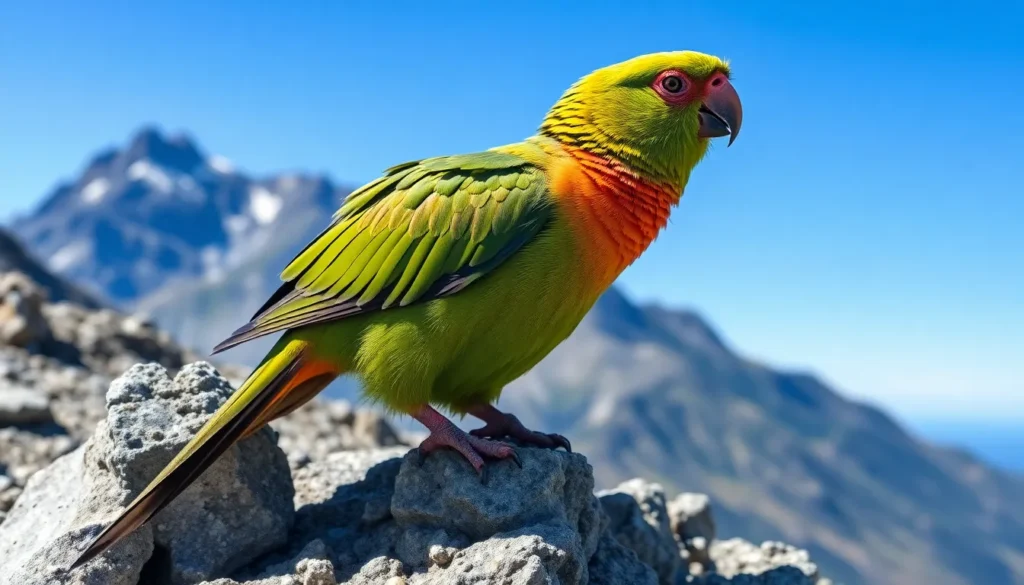
- Kea are native to New Zealand. They are the only alpine parrot species in the world, found mainly in the South Island.
- Kea are large parrots. Adults measure about 48 cm (19 in) in length, making them one of the largest parrot species.
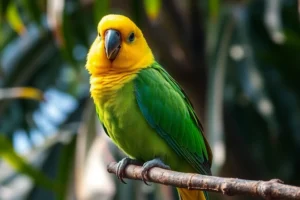
- They have olive-green plumage. Their feathers are predominantly olive-green with bright orange underwings that are visible during flight.
- Kea are highly intelligent. Studies have shown they possess problem-solving skills and the ability to use tools, which is rare among birds.
- They are known for their curiosity. Kea frequently investigate new objects and environments, which sometimes brings them into conflict with humans.
- Kea have a varied diet. They eat plants, insects, fruits, nectar, and occasionally scavenge meat or food scraps from humans.
- They are social birds. Kea often live in groups, which helps with cooperative behaviors and protection.
- Kea are known for destructive behavior. They have been observed tearing rubber from cars and damaging property, likely due to their exploratory nature.
- Their beaks are strong and curved. This allows them to manipulate objects, dig into soil, and access food sources like roots and insects.
- Kea breeding season occurs in spring and summer. Females typically lay 2 to 5 eggs in nests located in rock crevices or hollow trees.
- Chicks take several months to fledge. Young kea develop gradually and remain dependent on parents for several months post-hatching.
- Kea have a complex vocal repertoire. They use a variety of calls for communication within groups, including alarm calls and social interactions.
- They are known to use play behavior. Kea engage in activities that appear to be play, such as sliding on snow or interacting with objects, which may aid social bonding and learning.
- Kea’s intelligence has made them subjects of scientific research. They are often studied to understand avian cognition and problem-solving.
- They can live up to 20 years in the wild. Some captive individuals have lived longer, demonstrating their longevity.
- Kea populations have declined historically. Due to habitat loss and persecution, they were once considered pests and hunted, leading to population decreases.
- They are now protected by law in New Zealand. Conservation efforts aim to preserve their habitat and reduce human-wildlife conflicts.
- Kea contribute to their ecosystem. Their feeding habits help in seed dispersal and soil aeration, playing a role in alpine ecological processes.
- Kea have cultural significance. They appear in Maori folklore and contemporary New Zealand culture as symbols of intelligence and resilience.
- They are listed as endangered on the IUCN Red List. Ongoing conservation work seeks to mitigate threats from introduced predators and human impact.
- Research continues to reveal more about kea behavior. Observations and experiments help improve understanding of their social structures and cognitive abilities.
Habitat and Behavior
Kea inhabit alpine and subalpine regions of New Zealand’s South Island, typically found at elevations ranging from 600 to 2,000 meters. They prefer forest edges, shrublands, and open mountainous areas where they can forage on a diverse diet. Their behavior is characterized by extreme curiosity and intelligence, which leads them to investigate and manipulate objects in their environment. Socially, kea live in dynamic groups and engage in cooperative and playful behaviors, which are believed to reinforce social bonds and aid learning. Their diet is omnivorous and opportunistic, including plant material, insects, and sometimes carrion. The birds are strong fliers and capable of enduring cold alpine conditions due to their dense feathers and behavioral adaptations such as huddling for warmth.
Why This Animal Matters
Kea play an important ecological role in New Zealand’s alpine ecosystems by aiding seed dispersal and contributing to nutrient cycling through their varied diet and foraging activities. Their intelligence and adaptability make them a subject of scientific interest, providing insights into avian cognition and problem-solving. Culturally, kea are significant to the indigenous Maori people and are a symbol of New Zealand’s unique biodiversity. Conservation of kea is crucial due to their endangered status, as they face threats from habitat destruction, introduced predators such as stoats and possums, and human-related conflicts. Protecting kea also helps preserve the integrity of the alpine ecosystems they inhabit.
Common Misconceptions
Misconception: Kea are dangerous to humans.
Correction: While kea can be bold and may peck or investigate belongings, they do not pose a significant threat to human safety and are generally more mischievous than aggressive.
Misconception: Kea are pests that should be controlled or removed.
Correction: Although kea sometimes cause property damage, they are a protected and endangered species whose ecological and cultural importance outweighs occasional nuisances.
FAQ
Where do kea parrots live?
Kea parrots are native to the South Island of New Zealand, primarily inhabiting alpine and subalpine environments.
What do kea parrots eat?
Their diet is omnivorous, including plants, fruits, insects, nectar, and occasionally carrion or human food scraps.
Are kea parrots endangered?
Yes, kea are listed as endangered due to threats like habitat loss, predation by introduced species, and human conflict.
Leave a Reply