
Short Answer
21 Facts About Quail
- Multiple Species Across the Globe: Quail belong to several genera in the family Phasianidae, with species found in North America, Asia, Europe, and Africa.
- Size Variation: Quail species vary in size, generally ranging from 6 to 10 inches in length.
- Distinctive Calls: Quail are known for their repetitive and rhythmic calls, often used for communication within coveys.
- Ground-Dwelling Birds: Quail spend most of their time on the ground, foraging for seeds, insects, and other small invertebrates.
- Strong Flight but Short Distances: Although capable of flight, quail typically fly short distances to escape predators or move between feeding areas.
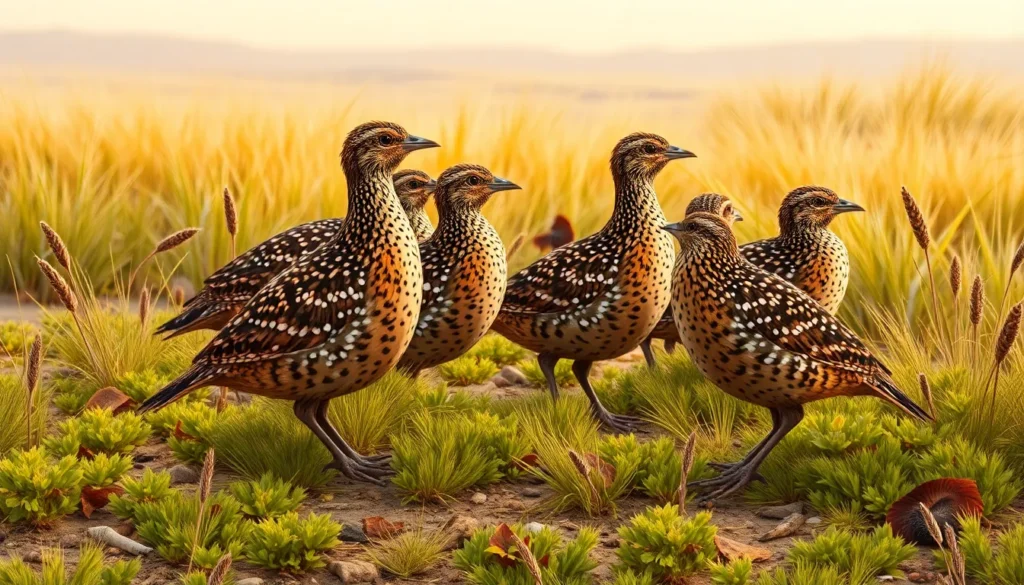
- Covey Behavior: Many quail species form coveys, small groups that provide protection and social interaction.
- Brood Parasitism Rare: Unlike some bird species, quail rarely engage in brood parasitism and generally care for their own young.
- Egg Laying Patterns: Female quail lay between 6 to 12 eggs per clutch, with some species laying multiple clutches per breeding season.
- Incubation Period: Quail eggs typically incubate for 16 to 24 days depending on the species.
- Precocial Chicks: Quail chicks are precocial, meaning they hatch with their eyes open and are able to leave the nest shortly after hatching.
- Diverse Diet: Quail consume a diet rich in seeds, leaves, and small insects, adapting their feeding based on availability.
- Adaptability to Habitats: Quail inhabit a wide range of environments, from grasslands and deserts to forests and agricultural areas.
- Role in Seed Dispersal: By consuming seeds and moving across habitats, quail contribute to seed dispersal and plant community dynamics.
- Predators Include Mammals and Birds: Common predators of quail include foxes, raccoons, hawks, and snakes.
- Camouflage Plumage: Their brown, mottled plumage offers effective camouflage against predators in their natural habitat.
- Cultural Significance: Quail have been hunted and kept as game birds for centuries in various cultures worldwide.
- Domestication: Some species, like the Japanese quail, have been domesticated for egg production and meat.
- Quail in Research: Quail are used as model organisms in biological and behavioral research due to their rapid growth and ease of care.
- Conservation Status Varies: While some quail species are abundant, others face threats from habitat loss and hunting, leading to conservation concerns.
- Seasonal Movements: Certain quail species exhibit seasonal movements or dispersal to optimize food availability and breeding success.
- Vocal Learning: Some quail species show the ability to learn and modify calls, aiding in social cohesion within groups.
Habitat and Behavior
Quail are primarily terrestrial birds that favor areas with dense ground cover such as grasslands, shrublands, agricultural fields, and woodlands. Their preference for habitats with abundant low vegetation helps them avoid predators and find food. They are most active during dawn and dusk, spending much of their time foraging on the ground for seeds, insects, and other small invertebrates. Quail typically form social groups called coveys, especially outside the breeding season, which provides enhanced protection and social interaction. When threatened, quail often rely on camouflage and quick, short bursts of flight to escape predators rather than sustained flight. Many species also exhibit territorial behavior during breeding seasons, with males vocalizing to attract mates and defend territories.
Why This Animal Matters
Quail play an essential role in ecosystems as seed dispersers and as prey for various predators, contributing to the balance of food webs. Their foraging helps control insect populations and aids in plant propagation through seed dispersal. Culturally, quail have been significant as game birds and food sources in many regions, influencing hunting traditions and agriculture. Additionally, domesticated quail species provide eggs and meat, supporting small-scale farming and research. From a conservation perspective, several quail species serve as indicators of habitat health, with population declines signaling environmental degradation. Protecting quail habitats contributes to broader biodiversity preservation efforts.
Common Misconceptions
Misconception: Quail are poor flyers and cannot escape predators.
Correction: While quail are not long-distance fliers, they are capable of strong, rapid flight over short distances that helps them evade predators effectively.
Misconception: All quail species look and behave identically.
Correction: There is considerable diversity among quail species in appearance, size, behavior, and habitat preferences, reflecting adaptations to different environments worldwide.
FAQ
What do quail eat?
Quail primarily eat seeds, insects, and small invertebrates, adjusting their diet based on seasonal availability and habitat.
Are quail good pets?
Some species of quail, such as the Japanese quail, are kept domestically for eggs and meat, but they require specific care and space to thrive.
How do quail protect themselves from predators?
Quail use camouflage to blend into their environment and rely on quick, short flights or running to escape predators. They also form coveys for mutual protection.
Leave a Reply