
Short Answer
21 Facts About Diurnal Animals
- Definition of Diurnal Animals
Diurnal animals are species that are primarily active during the day and rest at night, contrasting with nocturnal and crepuscular animals. - Vision Adapted for Daylight
Many diurnal animals have eyes adapted to bright light, with more cone cells for color vision and sharper visual acuity. - Temperature Regulation
Being active during the day allows some diurnal animals to utilize the warmth of the sun for thermoregulation. - Predator Avoidance
Diurnal activity can help animals avoid nocturnal predators, reducing the risk of predation. - Examples of Diurnal Mammals
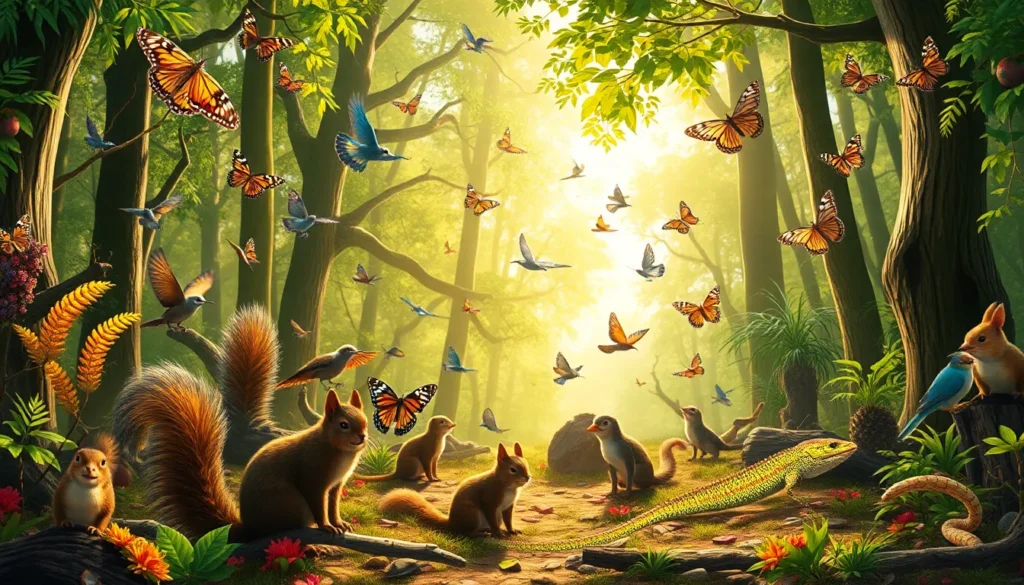
Examples include humans, elephants, squirrels, and many primates, which exhibit primarily daytime activity. - Diurnal Birds
Most birds, such as eagles, pigeons, and sparrows, are diurnal, relying heavily on daylight for hunting and navigation. - Reptiles Often Diurnal
Many reptiles like lizards and some snakes are diurnal, benefiting from basking in sunlight to maintain body temperature. - Insect Activity Patterns
Certain insects, such as butterflies and bees, are diurnal, often synchronized with the availability of daylight flowers. - Communication and Signaling
Diurnal animals often use visual signals for communication, which are effective during daylight but less so at night. - Influence of Circadian Rhythms
Internal biological clocks regulate the daily cycles of diurnal animals, aligning their behaviors with environmental light cues. - Impact of Urban Lighting
Artificial light at night can disrupt the natural diurnal patterns of animals, affecting their behavior and ecology. - Seasonal Variations
Some diurnal animals adjust their activity hours seasonally in response to changing daylight lengths. - Role in Pollination
Diurnal insects like bees are important pollinators, contributing significantly to plant reproduction during daylight hours. - Foraging Strategies
Diurnal animals often forage when visibility is optimal, allowing better detection of food and predators. - Social Behavior
Many diurnal species engage in complex social interactions facilitated by daylight visibility. - Evolutionary Advantages
Daytime activity has evolved in many species to exploit specific ecological niches unavailable to nocturnal animals. - Energy Efficiency
Sunlight provides energy benefits, allowing some diurnal animals to conserve metabolic energy compared to nocturnal counterparts. - Adaptations to Avoid Heat
Some diurnal animals have developed behaviors or physical traits to avoid overheating during peak daylight hours. - Human Impact
Human activities, such as habitat destruction and pollution, can disproportionately affect diurnal animals by altering their daytime environments. - Conservation Status
Many diurnal animals face conservation challenges due to habitat loss, climate change, and human interference. - Research Importance
Studying diurnal animals helps scientists understand ecological dynamics, evolutionary biology, and animal behavior in daylight ecosystems.
Habitat and Behavior
Diurnal animals inhabit a wide range of ecosystems, including forests, grasslands, deserts, and urban environments. Their behavior is closely linked to the availability of daylight, which influences feeding, mating, social interactions, and predator avoidance. Many diurnal species rely on the sun for thermoregulation, basking to maintain optimal body temperatures. Their activity patterns are regulated by circadian rhythms synchronized with the natural light-dark cycle. Diurnal animals often develop specialized adaptations, such as enhanced color vision and communication methods suited for daylight conditions. In urban areas, artificial lighting and habitat alterations can disrupt their natural behaviors, sometimes leading to ecological imbalances.
Why This Animal Matters
Diurnal animals play crucial ecological roles, including pollination, seed dispersal, and maintaining food webs. Their daytime activity patterns influence plant reproduction and predator-prey interactions. From a cultural perspective, many diurnal animals hold significance in human societies, symbolizing various traits or serving as important food sources. Conservation of diurnal species is vital because their well-being often reflects the health of ecosystems. Understanding their behaviors and challenges aids in biodiversity preservation and informs environmental policies that promote sustainable coexistence between humans and wildlife.
Common Misconceptions
Misconception: All animals that are active during the day are diurnal.
Correction: While diurnal animals are active primarily during the day, some species are crepuscular, being most active at dawn and dusk, and others may show flexible activity patterns depending on environmental conditions.
Misconception: Diurnal animals cannot see well at night.
Correction: Although many diurnal animals have vision adapted for daylight, some can see reasonably well in low light or have other sensory adaptations that allow limited nocturnal activity.
Misconception: Diurnal animals are less vulnerable to predators.
Correction: Diurnal animals face distinct predation pressures and have evolved various strategies to avoid daytime predators, but vulnerability depends on many ecological factors.
FAQ
What distinguishes diurnal animals from nocturnal animals?
Diurnal animals are active during daylight hours, while nocturnal animals are active at night. This difference is often reflected in their sensory adaptations, behaviors, and ecological roles.
Can diurnal animals be active at night?
Some diurnal animals can have limited nocturnal activity, especially if environmental conditions require it, but their primary activity and adaptations favor daytime.
How does artificial light affect diurnal animals?
Artificial light can disrupt natural activity cycles, interfere with feeding and mating behaviors, and increase vulnerability to predators, affecting the health and survival of diurnal species.




Leave a Reply