
Short Answer
21 Facts About Umbrella Moths
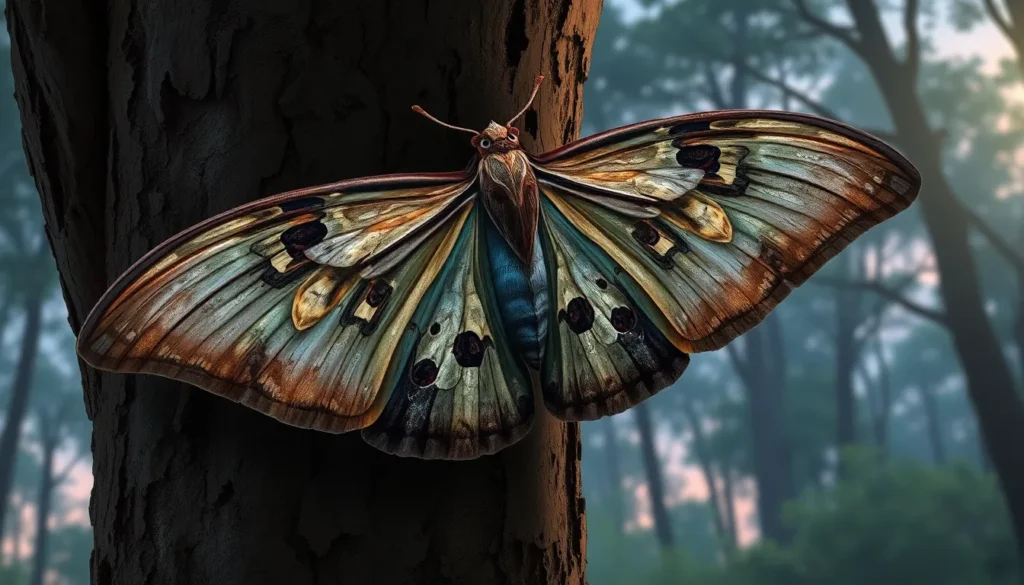
- Distinctive Wing Shape: Umbrella moths are named for the umbrella-like shape of their wings when at rest, which helps them blend into their surroundings.
- Nocturnal Behavior: These moths are primarily nocturnal, being most active during the night to avoid predators.
- Wide Distribution: Umbrella moths are found in various regions worldwide, particularly in temperate and tropical climates.
- Larval Host Plants: The caterpillars of umbrella moths typically feed on a variety of deciduous trees and shrubs.
- Mimicry and Camouflage: Their wing patterns often resemble dried leaves or bark, providing effective camouflage against predators.
- Life Cycle Duration: The complete life cycle from egg to adult moth can vary but generally spans several weeks to months depending on environmental conditions.
- Attraction to Light: Like many moths, umbrella moths are attracted to artificial light sources, a behavior called positive phototaxis.
- Adult Diet: Adult umbrella moths usually feed on nectar, which supports their energy needs for reproduction and flight.
- Species Diversity: The umbrella moth group includes several species, each with unique markings and habitat preferences.
- Flight Patterns: They exhibit slow, fluttering flight which assists in avoiding detection by predators.
- Seasonal Activity: Umbrella moths are most commonly observed during warmer months, corresponding with the availability of food sources.
- Reproductive Strategies: Females lay eggs on host plants that will provide food for emerging larvae.
- Predator Avoidance: Their cryptic coloration and nighttime activity reduce risks from birds and other daytime predators.
- Role in Ecosystems: As pollinators and prey, umbrella moths contribute to ecological balance.
- Temperature Sensitivity: Their development and activity are influenced by ambient temperature and humidity.
- Sound Detection: Some umbrella moths possess tympanal organs that help detect the echolocation calls of bats.
- Resting Posture: The characteristic umbrella-like resting posture aids in camouflage by breaking up their outline.
- Larval Defense Mechanisms: Caterpillars may exhibit behaviors such as dropping from leaves or producing defensive chemicals to deter predators.
- Scientific Classification: Umbrella moths belong to the family Noctuidae, which encompasses many nocturnal moth species.
- Population Fluctuations: Their numbers can vary year to year based on weather, predation, and habitat conditions.
- Research Importance: Studying umbrella moths helps scientists understand nocturnal insect ecology and the effects of environmental changes.
Habitat and Behavior
Umbrella moths inhabit a variety of environments, ranging from woodlands and forests to gardens and urban areas. They favor locations where host plants for their larvae are abundant. These moths are predominantly nocturnal, emerging at dusk to feed and mate. During the day, they rest on tree trunks or among leaf litter, relying on their camouflaged wing patterns to remain concealed. Their life cycle involves complete metamorphosis, including stages as egg, larva (caterpillar), pupa, and adult. The larvae feed on the foliage of deciduous trees and shrubs, while adults typically consume nectar. Umbrella moths exhibit behaviors such as attraction to artificial light sources and evasive flight patterns to avoid predators like bats and birds.
Why This Animal Matters
Umbrella moths play essential roles in their ecosystems. As pollinators, they facilitate the reproduction of various flowering plants, contributing to biodiversity. Their larvae serve as a food source for many birds and small mammals, linking different trophic levels. Additionally, umbrella moths are indicators of environmental health; fluctuations in their populations can signal changes in habitat quality or climate conditions. Understanding their ecology aids in broader conservation efforts, especially as habitats face pressures from human activity and climate change.
Common Misconceptions
Misconception: Umbrella moths are harmful pests that damage crops extensively.
Correction: While some moth larvae can feed on plants, umbrella moth species generally prefer wild host plants and are not known to cause significant agricultural damage.
Misconception: All moths are attracted to light for feeding purposes.
Correction: Moths are attracted to light due to navigational confusion rather than for feeding, and their feeding behavior is typically guided by scent and flower availability.
Misconception: Umbrella moths are related to umbrellas or have a functional relationship with rain protection.
Correction: The name “umbrella moth” derives solely from the shape of their wings at rest and has no connection to umbrellas or rain protection.
FAQ
What distinguishes umbrella moths from other moths?
Umbrella moths are distinguished by their unique umbrella-shaped wing resting posture and their camouflage patterns that resemble leaves or bark.
Are umbrella moths harmful to gardens?
Generally, umbrella moths are not considered harmful pests. Their larvae feed on wild plants, and they do not typically cause significant damage to garden plants or crops.
Why are umbrella moths attracted to light at night?
Umbrella moths are attracted to artificial lights due to a navigational behavior known as positive phototaxis, although this attraction is not related to feeding.

Leave a Reply