
Short Answer
21 Facts About Vaquitas (Porpoise)
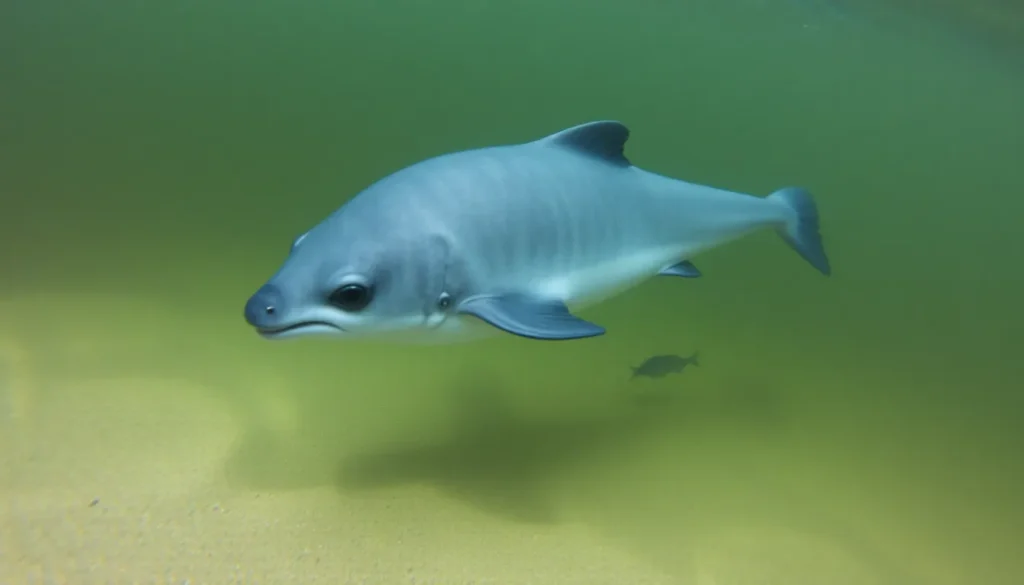
- Vaquitas are the smallest porpoise species. Adult vaquitas typically grow to about 1.5 meters (5 feet) in length, making them the smallest members of the cetacean family.
- They inhabit the northern part of the Gulf of California. Vaquitas are endemic to this specific region in Mexico, meaning they are found nowhere else in the world.
- The name “vaquita” means “little cow” in Spanish. This name reflects their small size and the gentle nature of these marine mammals.
- Vaquitas have distinctive dark rings around their eyes. These markings help differentiate them from other porpoise species and are part of their unique appearance.
- They have a dark dorsal cape contrasting with their lighter body. This coloration pattern helps with camouflage in their shallow water habitat.
- Vaquitas are shy and elusive, making them difficult to study. Their secretive behavior and low population numbers have hindered scientific research.
- The species was first described scientifically in 1958. Despite this relatively recent discovery, much about their biology remains unknown.
- Vaquitas primarily feed on small fish and squid. Their diet consists of benthic and mid-water prey found in their coastal habitat.
- They use echolocation to navigate and hunt in murky waters. Like other porpoises, vaquitas produce high-frequency clicks to locate prey and avoid obstacles.
- The current estimated population is fewer than 10 individuals. Vaquitas are critically endangered, with numbers declining rapidly over recent decades.
- Bycatch in illegal gillnets is the primary threat to vaquitas. These fishing nets, set for other species like totoaba fish, unintentionally entangle vaquitas, leading to drowning.
- Vaquitas have a slow reproductive rate. Females generally give birth to a single calf every two years, limiting their ability to recover from population losses.
- They have a rounded head with no pronounced beak. This differentiates them from many dolphin species, which usually have elongated snouts.
- Vaquitas are protected under Mexican law and international agreements. Several conservation measures aim to reduce bycatch and preserve their habitat.
- Despite protection, illegal fishing continues to threaten their survival. Enforcement challenges and high demand for totoaba swim bladders exacerbate risks.
- Vaquitas prefer shallow, murky waters with soft sandy or muddy bottoms. These environmental conditions suit their feeding habits and help conceal them from predators.
- Their lifespan is estimated to be around 20 years in the wild. However, exact longevity data is limited due to the scarcity of individuals.
- Vaquitas communicate through a series of clicks and whistles. These sounds enable social interactions and coordination among individuals.
- They are generally solitary or found in small groups of two to four. Larger groupings are rare, possibly due to limited population density.
- Conservation organizations are actively working to save the vaquita from extinction. Efforts include fishing gear modifications, marine protected areas, and public awareness campaigns.
- The vaquita is often considered a symbol of marine conservation challenges. Its plight highlights the broader issues of habitat destruction, illegal fishing, and species protection.
Habitat and Behavior
Vaquitas are native to the northern reaches of the Gulf of California, also known as the Sea of Cortez, a narrow sea between the Baja California Peninsula and mainland Mexico. Their habitat consists of shallow, murky waters with sandy or muddy bottoms, typically at depths of less than 30 meters. These conditions provide a suitable environment for their prey, which includes small fish, shrimp, and squid. Vaquitas are elusive and tend to avoid boats and human activity, which, combined with their small population size, has made them challenging to observe in the wild. They use echolocation to navigate and forage in the turbid waters, emitting high-frequency clicks that help them detect prey and avoid obstacles. Vaquitas are generally solitary or found in small groups, displaying social behavior that is not yet fully understood due to limited observational data. Their reproductive cycle is slow, with females birthing one calf approximately every two years, a factor that contributes to their vulnerability.
Why This Animal Matters
Vaquitas play a critical role in the marine ecosystem of the Gulf of California by maintaining the balance of fish and invertebrate populations through their predatory habits. As a unique, endemic species, they contribute to the biodiversity of the region. The vaquita’s current status as the most endangered marine mammal in the world has brought global attention to the issues of illegal fishing, habitat degradation, and the challenges of marine conservation. Their survival is a key indicator of the health of their ecosystem, and their decline signals broader environmental problems. Efforts to protect vaquitas have prompted international cooperation and innovative conservation strategies, making them emblematic of the urgent need to address human impacts on marine life. Protecting the vaquita also helps preserve the cultural heritage of local communities who rely on the Gulf of California’s natural resources.
Common Misconceptions
Misconception: Vaquitas are dolphins.
Correction: Vaquitas are porpoises, which are distinct from dolphins, though both belong to the cetacean family. Porpoises tend to be smaller, have different body shapes, and differ in behavior and vocalizations.
Misconception: Vaquitas are abundant and not at risk.
Correction: Vaquitas are critically endangered, with fewer than 10 individuals estimated to remain, primarily due to bycatch in illegal fishing nets.
Misconception: Vaquitas can easily be bred in captivity to save the species.
Correction: Vaquitas have never been successfully kept or bred in captivity, and such efforts are considered highly risky and unlikely to succeed given their sensitivity and specific habitat needs.
Misconception: The decline of vaquitas is solely due to natural causes.
Correction: Human activities, especially illegal fishing and habitat disturbance, are the primary factors driving the vaquita toward extinction.
FAQ
Why are vaquitas critically endangered?
Vaquitas are critically endangered primarily due to bycatch in illegal fishing nets targeting the totoaba fish. These nets entangle vaquitas, causing drowning, and their small population size limits recovery.
Can vaquitas be saved through captive breeding?
Captive breeding of vaquitas has never been attempted successfully due to their sensitivity and specialized habitat needs. Conservation efforts focus on habitat protection and eliminating bycatch.
What distinguishes vaquitas from dolphins?
Vaquitas are porpoises, which differ from dolphins in size, body shape, and behavior. Porpoises generally have shorter snouts and more rounded heads, whereas dolphins have elongated beaks.

Leave a Reply