
Short Answer
In the shadowy corners of our homes, gardens, and even our kitchens, lie the unsung heroes and villains of the ecosystem, commonly referred to as pests. These tiny titans often invoke fear and disgust, yet they possess an intriguing charm that beckons exploration. From industrious ants to shimmering beetles, these creatures embody a world of wonders that coexist alongside us, often unnoticed. Herein lies a collection of 15 captivating facts that reveal the fascinating lives of these creepy-crawly inhabitants.
1. Ants: The Strength of Many
Ants, despite their diminutive size, are nature’s powerhouse. A single leafcutter ant can carry up to 50 times its body weight, akin to a human lugging an elephant. Their collective strength is a testament to the old adage that “unity is strength,” as they manage to construct complex societies and elaborate nests by working in unison.
2. Cockroaches: The Enduring Survivors
Cockroaches are often characterized as the ultimate survivors. Over 300 million years old, these resilient insects have outlasted dinosaurs and can endure extreme conditions, including radiation levels that would be fatal for humans. Their survival instincts are akin to a phoenix rising from the ashes, showcasing nature’s relentless quest for persistence.
3. Ladybugs: The Polka-Dotted Benefactors
Enchanting and harmless, ladybugs are nature’s aphid predators. A single ladybug can consume up to 5,000 aphids in its lifetime—a feat that makes it the eco-warrior of the garden. With their striking red shells speckled with black spots, they serve as both protectors of crops and symbols of good fortune.
4. Spiders: The Artisans of Silk
With their intricate webs, spiders are master weavers. The silk produced by spiders is stronger than steel of the same diameter, demonstrating a combination of elegance and strength. Each strand is a marvel of engineering, designed for various uses, including prey capture and creating shelter.
5. Termites: The Recyclers of Nature
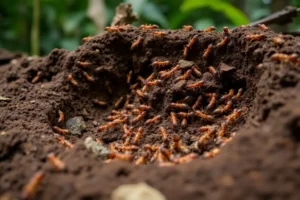
Often seen as mere nuisances, termites play a crucial role in the ecosystem. With a taste for wood, they act as nature’s recyclers, breaking down cellulose and enriching the soil, akin to industrious farmers plowing the land for a bountiful harvest. Their contributions help facilitate new growth, making them essential components of a healthy ecosystem.
6. Mosquitoes: The True Vampires
Mosquitoes are often reviled, and for good reason. These small bloodsuckers are equipped with sophisticated mouthparts that function like needles, allowing them to extract blood with alarming precision. For every droplet consumed, they play a role in the pollination of flowers, showing that even the most annoying pests can have a dual purpose.
7. Fleas: The Jumping Marvels
Fleas are tiny acrobats of the insect world, capable of leaping over 200 times their body length. This incredible ability to jump high and far allows them to easily navigate through dense fur to reach their targets. Their prowess in propulsion is reminiscent of a skilled gymnast leaping gracefully through the air.
8. Moths: The Nighttime Pollinators
While butterflies receive the bulk of our admiration, moths also play vital roles in ecosystems. Many species are nocturnal pollinators, tirelessly working under the moon’s watchful eye. Their attraction to artificial lights and flowers at night is a dance of survival and adaptation, illuminating the unseen connections of the night garden.
9. Silverfish: The Ancient Inhabitants
Silverfish are true relics from the primitive world, having existed for over 400 million years. Their elusive, scaly bodies scuttle around like living fossils, preserving tales of Earth’s early days. Their nocturnal habits make them elusive, embodying the mystery of the ages, a glimpse into the past.
10. Roaches: The Cleanup Crew
Though often evoking disgust, cockroaches excel as nature’s janitors. They dine on organic matter, decomposing waste and returning nutrients to the soil. Their propensity to forage through refuse parallels a necessary cleansing, ensuring the ecosystem functions smoothly and efficiently.
11. Boxelder Bugs: Nature’s Colorful Gardeners
With their striking red and black coloration, boxelder bugs have a unique appeal. They play a role in the pollination process and the natural regulation of other pests, making them unexpected allies in gardening. Their aesthetic presence provides not only visual delight but tangible benefits to the flora they inhabit.
12. Bed Bugs: The Uninvited Guests
Bed bugs, despite their unwelcome nature, are fascinating organisms. Their ability to survive for months without a blood meal showcases their resilience. They are dexterous hitchhikers, often traveling unnoticed—much like whispers carried by the wind, leaving traces of their presence without being seen.
13. Dragonflies: The Aerial Predators
With their graceful flight and vibrant colors, dragonflies are more than just beautiful creatures. They are formidable predators, capable of snatching prey in mid-air with remarkable precision. This aerial artistry elevates them to the status of high-flying hunters, patrolling wetlands with elegant grace.
14. Crickets: The Natural Symphony
Crickets provide the soundtrack of summer nights with their melodic chirping. This symphony, created by the males rubbing their wings together, not only serves a purpose in attracting mates but also offers a soothing ambience to warm evenings. Each cricket contributes to an orchestra of sound, harmonizing with nature’s rhythm.
15. Glowworms: The Luminescent Wonders
Glowworms are nature’s enchanting lights, illuminating dark caves with their bioluminescent glow. Their luminescence attracts prey and serves as a beacon of hope in the darkness, reminding us of the beauty that lies within the shadows of the insect world. They embody a mystique that captivates the imagination and instills wonder.
In conclusion, these 15 creepy-crawly facts unveil the often-overlooked allure and importance of pests. While they may induce shivers and sighs, their existence contributes to the intricate web of life surrounding us. These fascinating creatures, with their unique adaptations and roles, serve as potent reminders of the natural world’s complexity and beauty, inviting us to view them through a lens of curiosity rather than disdain.
FAQ
What are some interesting facts about pests?
Pests like ants can carry 50 times their weight, and cockroaches have survived for over 300 million years.
Why are pests important in the ecosystem?
Pests play crucial roles such as pollination, decomposition, and serving as food for other animals.


Leave a Reply