
Short Answer
The automobile, often regarded as one of humanity’s most transformative inventions, has not just altered the way we traverse our world; it has fundamentally reshaped our societies, economies, and environmental landscapes. As we delve into the multifaceted nature of the automobile, it becomes evident that beyond mere transportation, this mechanized marvel holds a plethora of revolutionary facts that have changed everything. Here are twelve pivotal facts that illuminate the profound impact of the automobile throughout history.
1. The Birth of the Assembly Line
In 1913, Henry Ford revolutionized production with the introduction of the moving assembly line. This innovative method drastically reduced the time needed to build a car, driving prices downward and making automobiles accessible to the average American. Consequently, it catalyzed the transformation of manufacturing processes across various industries, establishing a standard that continues to resonate today.
2. The Rise of Suburbia
The widespread adoption of the automobile instigated the creation of suburbs, particularly in the United States. As people gained the ability to live farther from their workplaces, urban landscapes began to morph. This shift fostered a culture of car dependency, where personal vehicles became central to daily life, further influencing city planning and societal structures.
3. A Catalyst for Economic Growth
The automobile industry has been a linchpin of economic expansion. Not only has it generated millions of jobs within manufacturing, maintenance, and service sectors, but the ancillary industries—fuel, insurance, and infrastructure—have also proliferated. This economic butterfly effect underscores the automobile’s role as an engine of prosperity, forging countless opportunities for advancement and innovation.
4. The Cultural Icon
Beyond its mechanical prowess, the automobile has become an enduring symbol of freedom and individuality. From the open road to the notion of the American Dream, cars signify personal expression. Their representation in music, cinema, and literature highlights the deep-rooted cultural fascination with the automobile, transcending mere utility to embrace elements of identity and self-discovery.
5. Safety Innovations
The automotive realm has driven advancements in safety technologies that save countless lives. Innovations such as crumple zones, airbags, and anti-lock braking systems were developed as responses to the alarming rates of automobile accidents. These enhancements not only safeguard occupants but have also led to regulatory reforms, showcasing the automobile’s role in public health and safety advocacy.
6. Globalization of the Auto Industry
As automotive manufacturing spread around the globe, it facilitated the early stages of globalization. Countries that once depended predominantly on local industries began to collaborate, share resources, and compete on an international stage. This interconnectedness not only diversified automotive designs but also nurtured cultural exchanges and economic interdependence.
7. Environmental Impact and Technological Evolution
While the automobile has contributed to environmental degradation, it has simultaneously spurred technological evolution aimed at mitigating this impact. The development of electric vehicles (EVs) and hybrid technology represents a pivotal shift towards sustainable transport. This evolution emphasizes a collective responsibility to reconcile personal mobility with ecological stewardship, showcasing the industry’s adaptability.
8. Legislative Changes and Policy Shifts
The automobile has influenced significant legislative changes, including emissions regulations, safety standards, and fuel economy mandates. These policies reflect society’s escalating awareness of the repercussions associated with vehicular use. Consequently, the automobile industry is now at the forefront of policy discussions that address climate change and urban mobility, adapting to the collective will for sustainable development.
9. The Emergence of Ride-Sharing Models
The rise of technology-driven ride-sharing services such as Uber and Lyft has disrupted traditional transportation paradigms. By reimagining car ownership, these platforms illustrate a shift towards a more communal approach to mobility. This trend reflects changing consumer behaviors and attitudes, paving the way for discussions surrounding urban infrastructure and environmental implications.
10. The Birth of the Car Culture
Car culture, encompassing everything from classic car shows to motorsport events, has fostered unique communities and subcultures. This phenomenon highlights how the automobile has transcended its utilitarian roots to become a cornerstone of social gatherings and collective experiences, igniting passions that are driven by craftsmanship, speed, and innovation.
11. The Future of Autonomous Vehicles
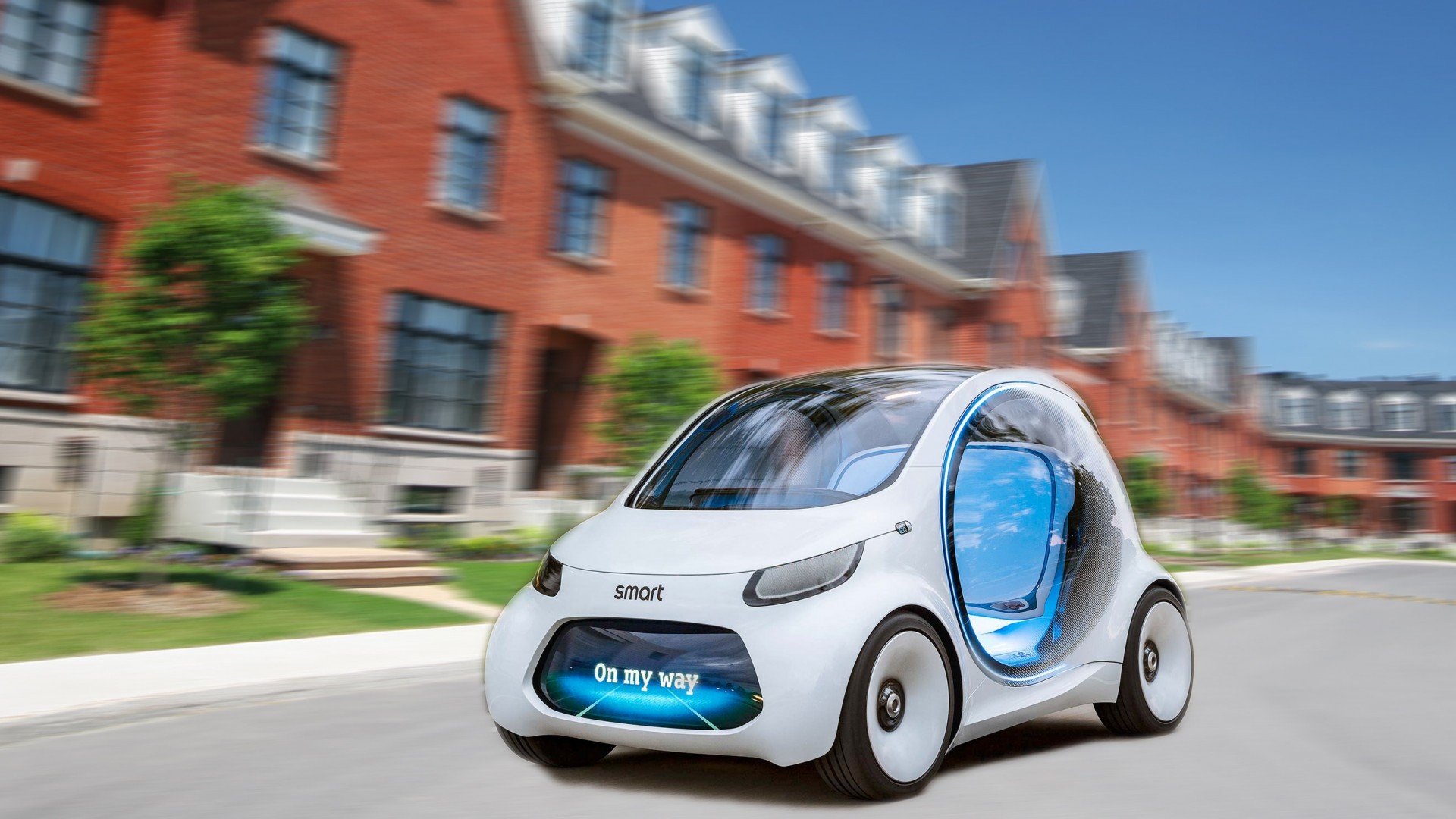
The advent of autonomous vehicle technology symbolizes a significant leap forward in automotive evolution. These innovations promise to reshape transportation entirely by reducing human error, potentially lowering accident rates and transforming how we envision personal and public transportation. The implications of this technology extend beyond convenience, raising ethical and regulatory questions about the future of mobility.
12. The Art of Design
Automobiles are not just machines; they are also works of art. The design of vehicles encompasses various aesthetic and functional considerations, culminating in a marriage between beauty and engineering excellence. This artistic aspect has played a significant role in consumer appeal and brand identity, underscoring the automobile’s multifaceted influence on culture and commerce.
In conclusion, the automobile has metamorphosed from a simple mode of transport into a profound catalyst for societal change, economic growth, and cultural expression. Its multifarious impact extends beyond the road, shaping our urban environments, legislative landscapes, and even our personal identities. Reflecting on these revolutionary facts invites us to appreciate the intricate relationship between humanity and this persistent symbol of innovation and freedom. As the automotive industry continues to evolve, it remains a pivotal element of our collective narrative, echoing the relentless pursuit of progress and adaptability.
FAQ
How did the assembly line change automobile production?
It reduced manufacturing time and cost, making cars more affordable and accessible to the general public.
What role did the automobile play in economic growth?
It generated millions of jobs and stimulated related industries such as fuel, insurance, and infrastructure.
How has automobile safety improved over time?
Advances like airbags, crumple zones, and anti-lock brakes have greatly enhanced occupant protection and influenced safety regulations.
What environmental challenges are associated with automobiles?
Traditional vehicles contribute to pollution and climate change, but newer technologies like electric vehicles aim to reduce this impact.
What is the impact of ride-sharing on car culture?
Ride-sharing services have redefined car ownership and mobility, encouraging more communal transportation options and altering urban transport dynamics.



Leave a Reply