
Short Answer
Space is a boundless wonderland that captivates the imagination of children and adults alike. From glittering stars to swirling galaxies, the cosmos beckons young minds to explore its mysteries. Within this guide, we delve into various engaging types of content related to space designed specifically for young learners. These resources not only inspire curiosity but also nurture a deeper understanding of the universe and our place within it.
1. Interactive Websites: Exploring the Cosmos Online
The internet hosts a plethora of interactive websites dedicated to space education. Websites such as NASA’s Space Place and Cosmic Kids offer young explorers an engaging way to learn about celestial bodies, the solar system, and beyond. Through animations, games, and quizzes, children can embark on virtual missions, tracking satellites or exploring the surface of Mars. Such platforms serve as a gateway to understanding complex concepts in an approachable manner.
2. Educational Videos: Visual Journeys Through the Universe
Visual media is a powerful tool for education. Platforms like YouTube provide a treasure trove of educational channels focusing on astronomy. Programs such as “SciShow Space” and “Crash Course Astronomy” present visually engaging narratives enriched with scientific facts. These videos can range from whimsical animations aimed at younger children to in-depth discussions suitable for older kids, illustrating topics such as black holes, the life cycle of stars, or the wonders of the universe.
3. Books for Young Astronomers: Flights of Fancy
Books foster creativity and proffer a wealth of knowledge. There are countless titles available that cater to various age groups. Picture books like “There’s No Place Like Space” capture the attention of preschoolers with vibrant illustrations and simple rhymes, while middle-grade novels such as “The Wild Robot” incorporate themes of technology and nature amidst a space backdrop. Non-fiction options such as the “National Geographic Kids” series delve into real-world astronomy, offering facts that ignite curiosity and inspire future scientists.
4. Craft and Activity Guides: Building Your Own Universe
Hands-on activities promote experiential learning. Craft guides that encourage kids to create model rockets, paper planets, or homemade telescopes can turn ordinary afternoons into extraordinary explorations. Activities can include making a solar system diorama using inexpensive materials, or crafting rocket ships from recycled items. These projects not only stimulate creativity but also allow children to grasp fundamental concepts about space travel and celestial motion.
5. Documentaries and Live Shows: Space Unplugged
Watching documentaries provides an opportunity for immersion into the wonders of space. The likes of “The Universe” series or “Cosmos: A Spacetime Odyssey” are captivating productions that weave together scientific facts with breathtaking visual effects. Many regions boast planetarium shows that bring space to life with stunning projections of the night sky. Engaging visuals combined with informative narratives captivate audiences, drawing them into the vastness of the universe.
6. Science Experiments: Unraveling Celestial Mysteries
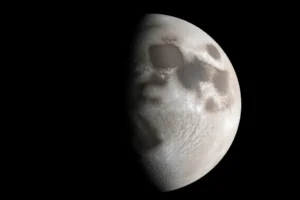
Encouraging young scientists to conduct experiments reinforces their understanding of scientific principles. Simple experiments involving homemade volcanoes simulate eruptions similar to those on other planets, while studying the phases of the moon can be accomplished using Oreos. These hands-on experiences not only make space concepts tangible but also establish a scientific method foundation, allowing kids to hypothesize, experiment, and conclude.
7. Space-themed Games: Learning Through Play
Games can serve as a fun medium for education. Board games such as “Out of This World” and video games like “Kerbal Space Program” provide both entertainment and instruction. Through gameplay, children can learn about rocket science and the fundamentals of physics while navigating the challenges of space exploration, thereby reinforcing their understanding without the weight of formal learning.
8. Astronomy Clubs and Workshops: Community Learning
Joining local astronomy clubs or participating in workshops allows children to engage with peers who share their interests. These clubs often organize stargazing nights, where kids can experience the night sky through telescopes, deepening their appreciation for astronomy. Workshops may offer hands-on activities, discussions with experts, and opportunities to learn from adults who are passionate about space.
9. Podcasts: Listening to the Stars
For auditory learners, podcasts present an invaluable resource. Programs like “Earth Ranger” offer stories and insights that can transport listeners across galaxies. Whether discussing space missions or the latest discoveries, podcasts allow children to absorb knowledge in a convenient format, fostering interest during road trips or quiet afternoons at home.
10. Field Trips: Encountering Space in a New Way
It’s one thing to learn about space, and another to experience it first-hand. Field trips to science centers, planetariums, or observatories bring textbook learning to life. Many facilities offer immersive experiences, exhibitions, and interactive displays that not only educate but also inspire future astronomers to pursue their fascination with the cosmos.
In conclusion, the universe is a magnificent expanse filled with wonders waiting to be discovered. For children, engaging with space-related content—from interactive websites to community workshops—opens a portal to understanding and appreciation for the cosmos. By utilizing a multifaceted approach that incorporates literature, hands-on activities, and multimedia resources, parents and educators can cultivate a lasting enthusiasm for space exploration. Guiding children through these experiences not only feeds their curiosity but also lays a strong foundation for their academic growth and aspirations in science. The sky is truly not the limit; it’s merely the beginning of their journey into the infinite possibilities of the universe.
FAQ
What are some fun ways to teach kids about space?
Engaging methods include interactive websites, educational videos, hands-on crafts, and community workshops focusing on astronomy.
What resources are best for children interested in space?
Books, educational videos, podcasts, and interactive games are excellent resources for sparking interest in space.




Leave a Reply