
Short Answer
21 Facts About Wombats
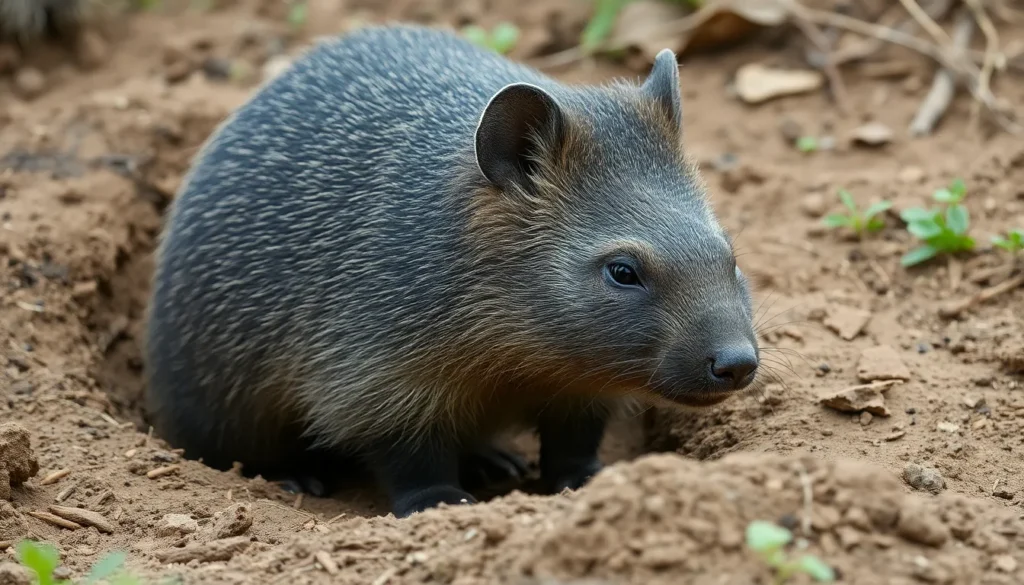
- Wombats are marsupials. They belong to the family Vombatidae and carry their young in pouches similar to kangaroos.
- There are three species of wombats. These include the common wombat (Vombatus ursinus), the northern hairy-nosed wombat (Lasiorhinus krefftii), and the southern hairy-nosed wombat (Lasiorhinus latifrons).
- Wombats are primarily nocturnal. They are most active at night and rest in their burrows during the day.
- They are excellent diggers. Wombats use their strong claws and muscular legs to create extensive burrow systems.
- Wombat burrows can be complex and long. Some burrow systems may extend up to 30 meters in length.
- Wombats have a backward-facing pouch. This adaptation prevents dirt from entering the pouch while digging.
- Wombats have very slow metabolisms. This helps them conserve energy and survive on a diet of tough, fibrous vegetation.
- They primarily eat grasses, roots, and bark. Their diet is mostly herbivorous and low in nutrients.
- Wombats produce cube-shaped feces. This unusual trait helps mark their territory without the feces rolling away.
- Wombats’ teeth grow continuously. This adaptation allows them to cope with constant chewing of tough plants.
- They have a tough rear hide. This acts as a defense mechanism against predators when they retreat into their burrows.
- Wombats can run up to 40 km/h (25 mph). Despite their stocky appearance, they can move quickly for short distances.
- Wombats have a lifespan of around 5 to 15 years in the wild. In captivity, they can live longer, sometimes over 20 years.
- The northern hairy-nosed wombat is critically endangered. It is one of Australia’s rarest mammals, with conservation efforts ongoing.
- Wombats communicate through sounds, scent markings, and scratching. They use these methods to establish territory and social interactions.
- Wombats are solitary animals. They typically live alone, except for mothers with young or during breeding seasons.
- Female wombats usually give birth to a single joey. The joey remains in the pouch for about six months before emerging.
- Wombats have a low body temperature compared to other mammals. This is part of their energy conservation adaptations.
- Wombats are native exclusively to Australia. They are found in various habitats across the southeastern regions of the continent.
- Wombats contribute to soil health. Their digging aerates the soil and helps with nutrient mixing.
- Wombats have cultural significance for Indigenous Australians. They feature in various Aboriginal stories and traditions.
Habitat and Behavior
Wombats inhabit a range of environments including eucalyptus forests, mountainous regions, and grasslands primarily in southeastern Australia, including Tasmania. They prefer areas with soft, well-drained soils suitable for digging. Wombats are solitary and territorial animals that spend much of their time in complex burrow systems, which provide shelter from predators and extreme weather conditions. Nocturnal by nature, they forage at night for grasses, roots, and bark, using their powerful claws to excavate roots and dig extensive underground homes. Their slow metabolism suits their low-nutrient diet. Wombats communicate through vocalizations such as grunts and huffs, as well as through scent marking and scratch marks on trees or in soil.
Why This Animal Matters
Wombats play a significant ecological role in their native habitats. Their burrowing activities help aerate the soil, promote nutrient cycling, and create habitats used by other species. This soil turnover can benefit plant growth and biodiversity. Additionally, wombats are a subject of conservation focus, especially the northern hairy-nosed wombat, whose population is critically low. Protecting wombats also helps preserve the health of Australian ecosystems. Culturally, wombats have importance for Indigenous Australian communities, featuring in traditional stories and representing aspects of the natural world.
Common Misconceptions
Misconception: Wombats are bears.
Correction: Despite the name “wombat bear” used historically, wombats are marsupials, not bears, and are more closely related to kangaroos and koalas.
Misconception: Wombats are slow and lazy.
Correction: While generally slow-moving, wombats can run quickly when threatened and are active diggers and foragers.
Misconception: Wombats are aggressive animals.
Correction: Wombats are generally shy and solitary; they may defend themselves if cornered but are not naturally aggressive.
FAQ
What do wombats eat?
Wombats primarily eat grasses, roots, and bark. Their herbivorous diet consists of tough, fibrous vegetation that provides the nutrients they need.
Why do wombats have cube-shaped feces?
Wombats produce cube-shaped feces to prevent their droppings from rolling away, which helps them mark their territory effectively.
Are wombats endangered?
Most wombat species are not endangered, but the northern hairy-nosed wombat is critically endangered and subject to conservation efforts.
Leave a Reply