
Short Answer
21 Facts About Wetland Animals
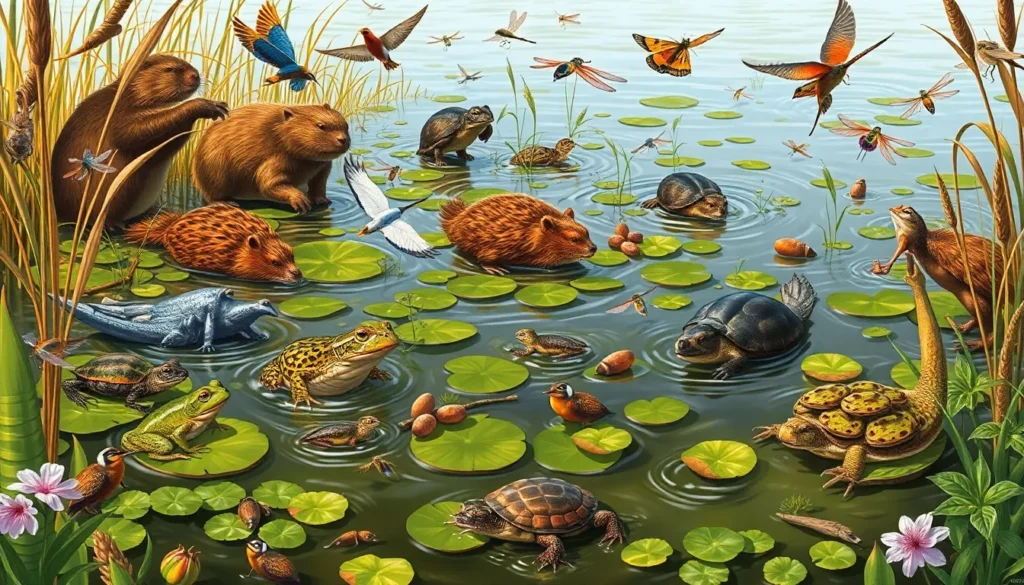
- Wetland animals are highly adapted to fluctuating water levels. Many species have physiological and behavioral adaptations that allow them to survive both submerged and on dry land during different seasons.
- Amphibians are among the most common wetland animals. Frogs, salamanders, and newts rely on wetlands for breeding and larval development due to their need for moist environments.
- Wetlands support a high diversity of bird species. Many migratory birds use wetlands as critical stopover points for feeding and nesting.
- Beavers are ecosystem engineers in wetlands. By building dams, beavers create ponds that increase wetland area and biodiversity.
- Wetland animals include both aquatic and terrestrial species. For example, turtles and otters use wetlands for feeding but also spend time on land.
- Many fish species rely on wetlands for spawning. Shallow, vegetated waters provide safe nursery habitats for juvenile fish.
- Wetlands serve as important feeding grounds for insects like dragonflies. These insects lay eggs in water and their larvae are aquatic predators.
- Some wetland animals, like the marsh rice rat, are specialized to live exclusively in wetland habitats. Their adaptations allow them to thrive in waterlogged environments.
- Wetland reptiles such as alligators and crocodiles play a top predator role. They help maintain balanced populations of other wetland species.
- Many wetland animals exhibit seasonal migration or movement patterns. For example, some amphibians migrate between wetlands and terrestrial habitats for breeding and feeding.
- Wetland animals are often indicators of ecosystem health. The presence or absence of certain species can reflect water quality and habitat conditions.
- Wetland animals contribute to nutrient cycling. For example, crayfish consume detritus and help decompose organic matter.
- Some wetland animals have developed unique respiratory adaptations. Water-dwelling insects may carry air bubbles underwater, while amphibians use permeable skin for gas exchange.
- Many wetland species depend on vegetation for shelter and food. Plants like cattails and reeds provide essential habitat structure.
- Wetland animals often have specialized diets. For example, the snail kite feeds almost exclusively on apple snails found in marshes.
- Wetlands are critical breeding sites for many fish and amphibians. The calm, nutrient-rich waters provide a safe environment for offspring development.
- Some wetland animals can tolerate varying salinity levels. Species like certain crabs and fish can live in brackish waters where freshwater meets saltwater.
- Wetland mammals include species such as muskrats and otters. These animals are semi-aquatic and rely on wetlands for food and shelter.
- Wetland animals play important roles in controlling insect populations. Species like frogs and dragonfly larvae consume large numbers of insects.
- Many wetland animals face threats from habitat loss and pollution. Conservation efforts are vital to protect these species and their ecosystems.
- Wetland animal diversity contributes to overall biodiversity and ecosystem resilience. These species interact in complex food webs that support healthy wetland environments.
Habitat and Behavior
Wetland animals inhabit environments characterized by the presence of water, either permanently or seasonally, such as marshes, swamps, bogs, and floodplains. These habitats provide a mix of aquatic and terrestrial conditions, requiring animals to have diverse adaptations. Many wetland species exhibit amphibious lifestyles, moving between water and land to feed, breed, or seek shelter. Behavioral adaptations include seasonal migration, burrowing to avoid predators or unfavorable conditions, and breeding synchronized with water availability. Physiological traits such as waterproof fur, specialized respiratory systems, and salt tolerance help these animals survive fluctuating wetland conditions.
Why This Animal Matters
Wetland animals are integral to ecosystem functioning. They contribute to nutrient cycling, seed dispersal, and population control of other species, including pests. Predators like alligators regulate prey populations, while herbivores influence plant community composition. Wetland animals also serve as bioindicators, helping scientists assess the health of wetland ecosystems. Culturally, many communities rely on wetland species for food, traditional medicine, and livelihoods. Conservation of wetland animals is crucial, as wetlands face threats from drainage, pollution, and climate change, all of which impact biodiversity and ecosystem services.
Common Misconceptions
Misconception: Wetland animals live only in water.
Correction: Many wetland animals are semi-aquatic or terrestrial and utilize both water and land environments depending on their life cycle stages and needs.
Misconception: All wetland animals are amphibians.
Correction: Wetlands host a wide variety of animals including mammals, birds, reptiles, insects, and fish, not just amphibians.
Misconception: Wetlands are useless swamps with few animals.
Correction: Wetlands are among the most biologically productive ecosystems, supporting diverse and abundant animal populations.
Misconception: Wetland animals are not threatened because wetlands are protected.
Correction: Many wetland animals are threatened due to habitat destruction, pollution, and climate change, despite some wetland protections.
FAQ
What types of animals live in wetlands?
Wetlands support a wide variety of animals including amphibians like frogs and salamanders, reptiles such as turtles and alligators, mammals like beavers and muskrats, numerous bird species, fish, and a diverse array of insects.
Why are wetland animals important to the environment?
Wetland animals help maintain ecosystem balance by controlling insect populations, supporting food webs, cycling nutrients, and serving as indicators of environmental health.
Are wetland animals endangered?
Many wetland species face threats from habitat destruction, pollution, and climate change, making conservation efforts essential to protect their populations and the health of wetland ecosystems.

Leave a Reply