

Short Answer
21 Facts About Nocturnal Animals
- Nocturnal animals are primarily active at night. This behavioral pattern helps them avoid daytime predators and exploit different food sources.
- Many nocturnal animals have enhanced night vision. Their eyes contain a high number of rod cells and a reflective layer called the tapetum lucidum, which improves low-light vision.
- Some nocturnal animals use echolocation. Bats and some species of owls emit sound waves to navigate and hunt in the dark.
- Nocturnal animals often have heightened senses of hearing and smell. These adaptations compensate for limited visibility at night.
- Owls have asymmetrically placed ears. This allows them to pinpoint the location of prey through sound with remarkable accuracy.
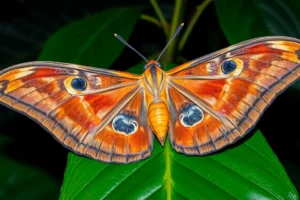
- Many nocturnal insects are attracted to artificial light sources. This phenomenon, called phototaxis, can interfere with their natural behaviors.
- Nocturnal animals contribute to pest control. Species like owls and bats consume large numbers of insects and rodents.
- Some nocturnal animals, like the aye-aye, have specialized physical adaptations. The aye-aye uses its elongated middle finger to extract insects from tree bark.
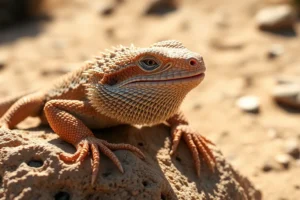
- Desert nocturnal animals avoid daytime heat. By being active at night, they conserve water and regulate body temperature more effectively.
- Many nocturnal animals communicate using calls or songs. Nighttime vocalizations can help establish territory or attract mates without visual cues.
- Nocturnal behavior can be influenced by environmental factors. Moon phases and ambient light levels may affect activity patterns.
- Some nocturnal animals are also crepuscular. They are active during twilight periods at dawn and dusk, as well as nighttime.
- Predation strategies differ in nocturnal animals. Some rely on stealth and ambush, while others use speed and agility.
- Nocturnal animals often have larger eyes relative to their body size. This anatomical feature increases light capture for improved vision.
- Many nocturnal mammals have whiskers that aid in spatial awareness. These tactile sensors help navigate in the dark.
- Some nocturnal animals are solitary, while others live in groups. Social structures vary widely depending on species and ecological needs.
- Artificial lighting can disrupt nocturnal ecosystems. Light pollution affects behavior, reproduction, and predator-prey relationships.
- Some nocturnal birds, like nightjars, have cryptic plumage. This camouflage helps them avoid detection during daytime roosting.
- The evolutionary origins of nocturnality are diverse. It can develop as a response to competition, predation, or environmental conditions.
- Nocturnal animals play important roles in seed dispersal and pollination. Certain bats and moths contribute to these ecological processes during night hours.
- Human understanding of nocturnal animals has increased with technological advances. Infrared cameras and tracking devices have revealed new insights into their behavior.
Habitat and Behavior
Nocturnal animals inhabit a wide range of environments including forests, deserts, caves, and urban areas. Their nighttime activity allows them to exploit ecological niches with reduced competition and predation risks. Behavioral adaptations include specialized hunting techniques such as echolocation and silent flight, as well as physiological traits like enhanced sensory organs that improve navigation and foraging in darkness. Many nocturnal animals rest or hide during the day to conserve energy and avoid threats, emerging at dusk or during moonlit nights to carry out essential activities.
Why This Animal Matters
Nocturnal animals contribute significantly to ecosystem balance by controlling insect populations, dispersing seeds, and pollinating nocturnal flowers. Their feeding habits help regulate prey species and recycle nutrients, supporting biodiversity. Additionally, nocturnal animals hold cultural importance in many societies, symbolizing mystery or wisdom in folklore and art. Conservation of nocturnal species is critical, as they are vulnerable to habitat loss and light pollution, which can disrupt their life cycles and ecological functions.
Common Misconceptions
Misconception: All nocturnal animals have poor eyesight.
Correction: Many nocturnal animals have excellent night vision, often superior to humans, enabled by specialized eye structures.
Misconception: Nocturnal animals are inactive during the day.
Correction: Some species are crepuscular or can be active occasionally during the day depending on environmental conditions.
FAQ
Why are some animals nocturnal?
Animals may be nocturnal to avoid daytime predators, reduce competition for food, or cope with environmental factors such as heat.
How do nocturnal animals see in the dark?
Many have a high concentration of rod cells in their retinas and a reflective layer called the tapetum lucidum that enhances low-light vision.
Can nocturnal animals be active during the day?
Some species are crepuscular, meaning they are active during dawn and dusk, and may occasionally be active during the day depending on circumstances.




Leave a Reply