
Short Answer
21 Facts About Madagascar Hissing Cockroaches
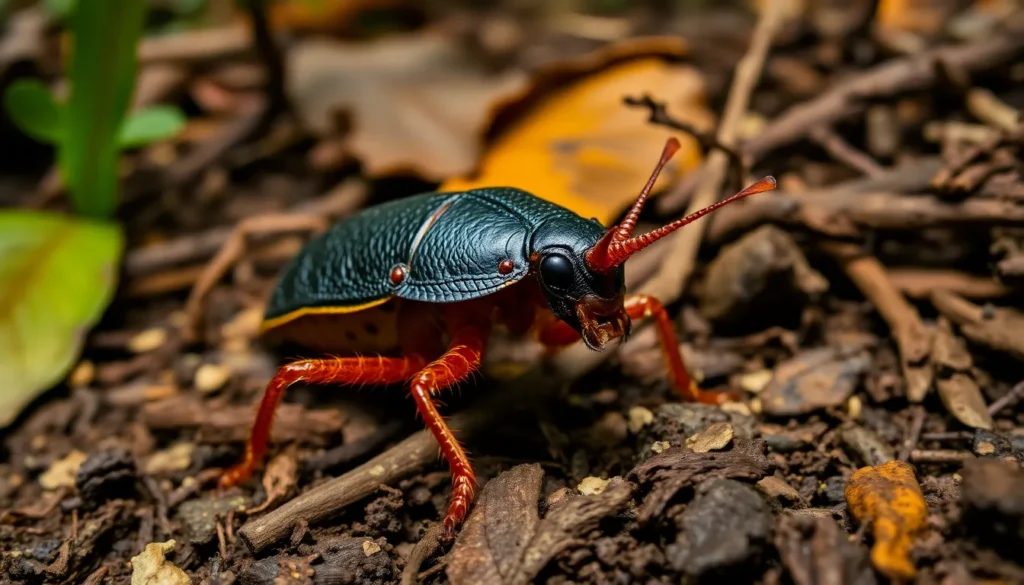
- Unique Hissing Sound: Madagascar hissing cockroaches produce a distinctive hissing noise by forcing air through respiratory openings called spiracles, primarily for communication and defense.
- Large Size: They are among the largest species of cockroaches, typically reaching lengths of up to 2 to 4 inches (5 to 10 centimeters).
- Native Habitat: These cockroaches are endemic to the island of Madagascar, where they inhabit forest floors and decaying wood.
- Wingless Insects: Unlike many cockroach species, Madagascar hissing cockroaches do not have wings.
- Long Lifespan: They can live up to 5 years in captivity, which is longer than many other cockroach species.
- Social Behavior: They exhibit social behaviors, often gathering in groups, and may establish social hierarchies.
- Diet: Their diet primarily consists of decaying plant material and organic matter, making them detritivores.
- Reproductive Traits: Females give birth to live young, which develop inside a brood sac before emerging.
- Defense Mechanism: The hissing sound can serve to startle predators or rivals, acting as an effective defense mechanism.
- Sexual Dimorphism: Males typically have larger horns or bumps on their thorax, which they use in male-to-male combat.
- Nocturnal Activity: These cockroaches are mostly active at night, reducing exposure to predators.
- Temperature Regulation: They use hissing not only for communication but also to regulate body temperature.
- Popular in Pet Trade: Madagascar hissing cockroaches are frequently kept as exotic pets due to their unique characteristics.
- Role in Research: They are used in scientific studies on insect behavior and communication.
- Non-Pest Status: Unlike many cockroach species, they do not infest human homes or spread diseases.
- Molting Process: They undergo a series of molts as they grow, shedding their exoskeleton multiple times.
- Predators: Natural predators include birds, reptiles, and small mammals native to Madagascar.
- Environmental Indicators: Their presence can indicate healthy forest ecosystems due to their reliance on decaying plant material.
- Temperature Sensitivity: They prefer warm, humid environments similar to their native tropical habitat.
- Communication Types: Besides hissing, they use chemical signals and tactile communication within their groups.
- Conservation Status: Not currently considered endangered, but habitat destruction in Madagascar could impact populations.
Habitat and Behavior
Madagascar hissing cockroaches are native to the island of Madagascar, where they thrive in tropical forests. They typically inhabit the forest floor, living under logs, leaf litter, and decaying wood where moisture is abundant. This environment provides both food and shelter. Behaviorally, these cockroaches are mostly nocturnal, avoiding daylight to reduce predation risk. They are known for their social tendencies, often found in groups that establish a loose hierarchy, particularly among males. The hissing sound they produce serves multiple functions including mating calls, territorial disputes, and predator deterrence. Their diet consists primarily of decomposing plant matter, contributing to nutrient recycling within their ecosystem.
Why This Animal Matters
Madagascar hissing cockroaches play a significant ecological role as decomposers. By consuming decaying organic material, they help recycle nutrients back into the soil, supporting plant growth and overall forest health. Their presence is a sign of a functioning ecosystem. Culturally, these cockroaches are sometimes used in education and scientific research to better understand insect behavior, communication, and social structures. Although not currently endangered, their habitat is vulnerable to deforestation and environmental changes in Madagascar, highlighting the importance of conservation efforts to preserve biodiversity.
Common Misconceptions
Misconception: Madagascar hissing cockroaches are harmful pests that infest homes.
Correction: These cockroaches do not infest human dwellings or spread disease; they prefer natural habitats and are generally harmless to humans.
Misconception: All cockroaches have wings and can fly.
Correction: Madagascar hissing cockroaches are wingless and cannot fly, distinguishing them from many other cockroach species.
Misconception: The hissing sound is produced vocally like a mammal’s hiss.
Correction: The hiss is created by forcing air through specialized respiratory openings called spiracles, not by vocal cords.
FAQ
How do Madagascar hissing cockroaches produce their hissing sound?
They produce the hissing sound by forcing air through openings called spiracles on their abdomen, rather than using vocal cords like mammals.
Are Madagascar hissing cockroaches harmful to humans?
No, they are not harmful to humans. They do not spread diseases or infest homes and are generally considered harmless.
Can Madagascar hissing cockroaches fly?
No, these cockroaches are wingless and cannot fly, unlike many other cockroach species.


Leave a Reply