
Short Answer
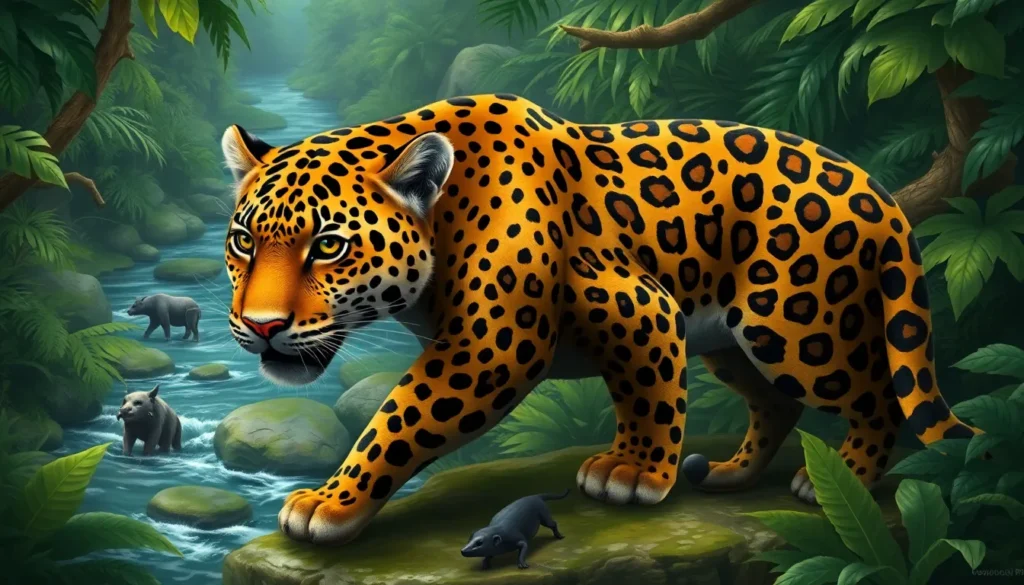
21 Facts About Jaguar (different subspecies)
- Jaguar’s Scientific Name
The jaguar is scientifically known as Panthera onca, and it is the only extant member of the genus Panthera native to the Americas. - Distinct Subspecies
Historically, several subspecies of jaguars were recognized based on geographic and morphological differences, but current taxonomy often treats them as a single species with regional variations. - Geographical Variations
Jaguars inhabit a range extending from the southwestern United States through Central America to South America, with notable populations in the Amazon basin and Pantanal wetlands. - Physical Size Differences
Subspecies in northern ranges, such as the now possibly extinct Florida jaguar (P. o. floridanus), tended to be smaller than those in the Amazon basin. - Coat Pattern Diversity
Jaguars exhibit regional differences in their coat patterns; individuals in dense rainforests often have larger, more distinct rosettes compared to those in drier habitats. - Powerful Bite
Jaguars possess one of the strongest bites among big cats, adapted for piercing turtle shells and crushing bones, a trait consistent across subspecies. - Swimming Ability
Unlike many other big cats, jaguars are strong swimmers and are known to hunt aquatic prey such as fish and caimans, especially in subspecies inhabiting wetland areas. - Dietary Adaptations
While carnivorous across all subspecies, jaguars’ prey varies regionally, including peccaries, deer, capybaras, and various reptiles depending on local availability. - Territorial Behavior
Jaguars are solitary and territorial animals, with territory sizes varying by subspecies based on habitat productivity and prey density. - Reproductive Variations
Breeding patterns and cub survival rates can differ slightly among subspecies due to environmental factors and human impact. - Conservation Status
The jaguar is listed as Near Threatened, but some subspecies like the Florida jaguar are considered critically endangered or possibly extinct. - Habitat Range Shifts
Habitat fragmentation has caused some subspecies to experience range reductions, leading to isolated populations vulnerable to genetic bottlenecks. - Genetic Studies
Molecular analyses have revealed genetic differences among regional jaguar populations, which may support subspecies distinctions or conservation units. - Role in Ecosystems
Jaguars act as apex predators in their habitats, helping to maintain healthy populations of prey species and contribute to ecological balance. - Cultural Significance
Jaguars have held symbolic importance in many indigenous cultures throughout the Americas, often associated with power and mysticism. - Adaptability
Jaguars show adaptability across diverse environments, from tropical rainforests to scrublands and wetlands, with subspecies adapting to local conditions. - Human Conflicts
Some subspecies are more prone to conflicts with humans due to proximity to agricultural areas, leading to retaliatory killings. - Research Challenges
Studying subspecies differences is complicated by overlapping ranges, elusive nature, and limited access to certain habitats. - Conservation Efforts
Efforts include habitat preservation, anti-poaching measures, and scientific monitoring, aiming to protect jaguar populations across their range. - Climate Change Impact
Climate change may alter jaguar habitats and prey availability, posing long-term challenges to their survival, with impacts possibly varying among subspecies. - Importance of Genetic Diversity
Maintaining genetic diversity among jaguar populations and subspecies is critical for resilience against disease and environmental changes.
Habitat and Behavior
Jaguars inhabit a wide range of environments across the Americas, including tropical rainforests, savannas, wetlands, and dry forests. Their distribution spans from northern Mexico to northern Argentina, with some subspecies adapted to specific local conditions. Jaguars are primarily solitary and territorial, with individuals marking their territories using scent markings and vocalizations. They are opportunistic carnivores with a diverse diet that includes mammals, reptiles, and fish. Their strong swimming ability allows them to exploit aquatic prey, which is relatively unique among big cats. Jaguars typically hunt by stalking and ambushing prey, relying on stealth and powerful jaws to deliver fatal bites.
Why This Animal Matters
As apex predators, jaguars play a crucial ecological role in controlling prey populations and maintaining the health of the ecosystems they inhabit. Their presence indicates a well-functioning environment with sufficient biodiversity. Culturally, jaguars have been revered by many indigenous peoples in the Americas, symbolizing strength and spiritual power. Conservation of jaguars also helps protect vast tracts of habitat that are home to numerous other species, making them a flagship species for broader environmental preservation. Understanding and protecting different subspecies or regional populations is important for maintaining the species’ overall genetic diversity and ecological function.
Common Misconceptions
Misconception: Jaguars are just large leopards.
Correction: Although jaguars and leopards look similar and share rosette patterns, jaguars are a distinct species (Panthera onca) native to the Americas, whereas leopards (Panthera pardus) inhabit Africa and Asia. Jaguars generally have more robust builds and a stronger bite.
Misconception: There are many formally recognized jaguar subspecies.
Correction: While historically multiple subspecies were described, modern genetic studies tend to treat jaguars as a single species with regional variation, and the concept of subspecies remains debated.
Misconception: Jaguars are primarily nocturnal.
Correction: Jaguars exhibit flexible activity patterns and can be active during both day and night, depending on prey availability and environmental conditions.
FAQ
How many subspecies of jaguar are currently recognized?
While historically multiple subspecies were proposed based on geographic and morphological differences, recent genetic studies generally support treating jaguars as a single species with regional variations rather than clearly distinct subspecies.
What habitats do jaguars prefer?
Jaguars inhabit diverse environments including tropical rainforests, wetlands, savannas, and dry forests across their range from Mexico to Argentina, showing adaptability to different habitats.
Why are jaguars important to ecosystems?
As apex predators, jaguars help regulate prey populations, maintaining ecological balance and supporting biodiversity in their habitats.




Leave a Reply