
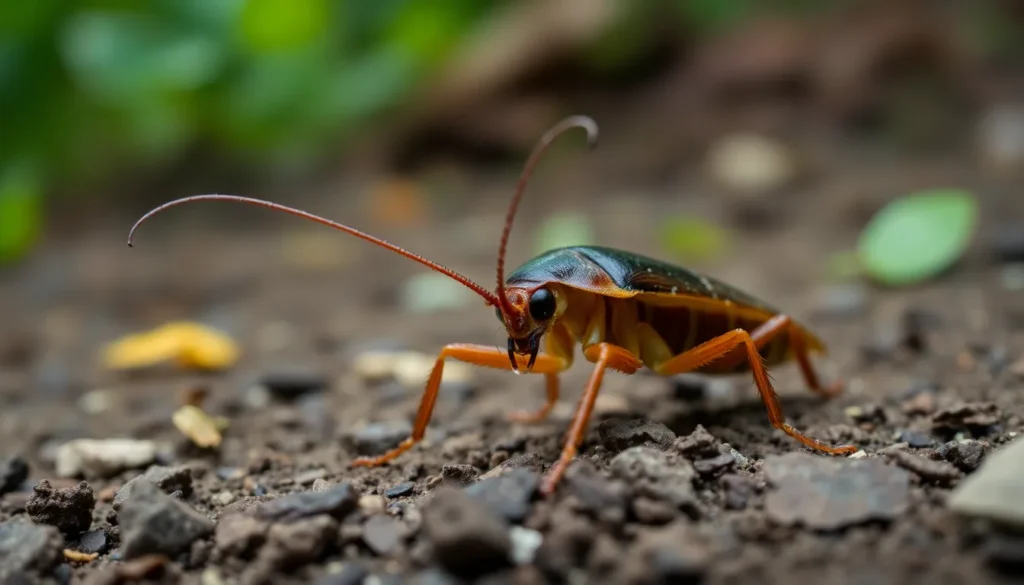
Short Answer
21 Facts About Cockroaches
- Ancient Origins: Cockroaches have existed for over 300 million years, predating dinosaurs.
- Diverse Species: There are approximately 4,600 known species of cockroaches worldwide, but only about 30 are considered pests.
- Fast Movers: Cockroaches can run up to 3 miles per hour, allowing them to escape threats quickly.
- Resilient Survivors: They can survive without food for up to a month but require water more frequently.
- Radiation Resistance: Cockroaches have a higher tolerance for radiation than humans, but the myth that they can survive a nuclear explosion is exaggerated.
- Nocturnal Behavior: Most cockroach species are nocturnal, being active at night to avoid predators.
- Omnivorous Diet: Cockroaches eat a wide variety of organic materials, including decaying matter, paper, and food scraps.
- Breeding Capacity: Some species can produce hundreds of offspring in a year, contributing to their rapid population growth.
- Social Insects: Certain cockroach species show social behaviors such as aggregation and communication through chemical signals.
- Adaptability: Cockroaches can live in varied environments, from tropical forests to urban buildings.
- Flight Ability: While many cockroaches have wings, only some species can fly, and often only short distances.
- Cleaning Habits: Cockroaches groom themselves regularly, which helps prevent infection and maintain sensory function.
- Respiratory System: They breathe through spiracles located on their bodies, not through their mouths.
- Temperature Tolerance: Cockroaches thrive in warm climates but can survive in cooler environments as well.
- Role in Decomposition: By consuming decaying organic matter, cockroaches help recycle nutrients in ecosystems.
- Predators: Cockroaches serve as food for many animals, including birds, amphibians, and small mammals.
- Disease Vectors: Some cockroach species can carry bacteria and pathogens, posing health risks to humans.
- Ancient Symbolism: In some cultures, cockroaches symbolize resilience and survival.
- Unique Reproductive Strategies: Some cockroaches exhibit parthenogenesis, allowing females to reproduce without males under certain conditions.
- Long Lifespan: Cockroaches can live up to one year or more depending on the species and environmental conditions.
- Scientific Study: Cockroaches are used in research to study neurobiology, behavior, and pest control methods.
Habitat and Behavior
Cockroaches inhabit a wide range of environments across the globe, from tropical rainforests to urban areas. They prefer warm, humid locations with access to food and water, such as kitchens, basements, and sewers. Primarily nocturnal, they avoid light and remain hidden during the day. Cockroaches are highly adaptable and can survive in varied conditions by seeking shelter and finding diverse food sources. Their behavior includes social aggregation, communication via pheromones, and rapid escape responses to threats. Their resilience is partly due to their versatile diet and ability to withstand environmental stresses.
Why This Animal Matters
Cockroaches play an important ecological role as decomposers, breaking down organic matter and recycling nutrients into the soil. They also serve as prey for a variety of predators, contributing to the food web. Despite their reputation as pests, cockroaches are valuable for scientific research, offering insights into insect physiology, behavior, and pest management. Culturally, cockroaches have appeared in folklore and symbolism around the world, often representing endurance and survival. Understanding cockroaches is crucial for managing their populations in human environments and appreciating their role in natural ecosystems.
Common Misconceptions
Misconception: Cockroaches can survive a nuclear explosion.
Correction: While cockroaches are more resistant to radiation than humans, they cannot survive the intense heat and blast of a nuclear explosion.
Misconception: All cockroaches are harmful pests.
Correction: Only a small fraction of cockroach species infest human dwellings and pose health risks; many species live in natural environments and do not affect humans.
FAQ
Can cockroaches survive without food?
Cockroaches can survive for about a month without food but generally need water more frequently, surviving only about a week without it.
Do all cockroaches fly?
Not all cockroach species can fly. While many have wings, only some species use them to fly, typically for short distances.
Are cockroaches harmful to humans?
Some species can carry bacteria and allergens that may contribute to health issues, but most cockroaches do not directly harm humans.

Leave a Reply