
Short Answer
21 Facts About Box Turtles
- Unique Hinged Shell: Box turtles have a hinged plastron (the lower shell) that allows them to close their shell tightly for protection against predators.
- Long Lifespan: They can live for several decades, often 30 to 50 years, with some individuals known to live over 100 years in captivity.
- Terrestrial Turtles: Unlike many turtles, box turtles are primarily land-dwelling and rarely enter water except for hydration or bathing.
- Omnivorous Diet: Their diet includes insects, worms, fruits, fungi, and vegetation, making them opportunistic feeders.
- Slow Growth: Box turtles grow slowly and reach sexual maturity at around 7 to 10 years old.
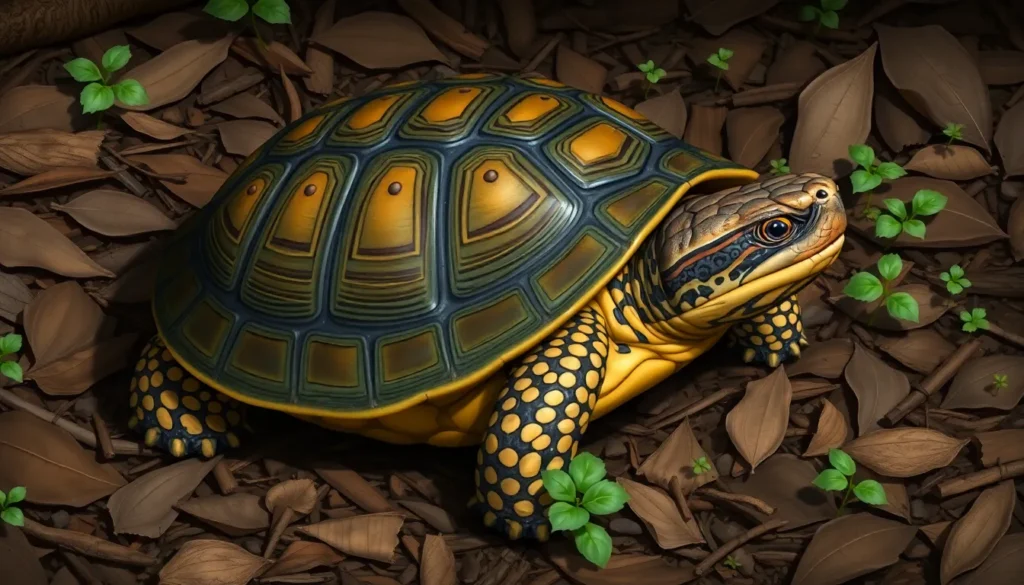
- Distinctive Shell Patterns: Their shells often have colorful patterns of yellow, orange, or brown, which vary among species and individuals.
- Temperature-Dependent Sex Determination: The sex of hatchlings is influenced by the incubation temperature of the eggs.
- Hibernation Behavior: In colder climates, box turtles enter hibernation, burrowing underground or into leaf litter to survive winter.
- Territorial Habits: They often have defined home ranges and may show site fidelity, returning to the same area repeatedly.
- Slow Movement: Box turtles move slowly, relying on their shell for defense rather than speed.
- Good Sense of Smell: They use their keen sense of smell to locate food, mates, and navigate their environment.
- Reproduction: Females lay small clutches of eggs, typically 1 to 8 per clutch, with nesting sites selected carefully to ensure successful incubation.
- Vocalizations: While generally quiet, box turtles can produce soft grunts or hisses when threatened.
- Endemic Species: Many box turtle species are native to North America, particularly the United States, with some species limited to specific regions.
- Predators: Predators include raccoons, skunks, birds of prey, and occasionally domestic animals, although their shell provides substantial protection.
- Conservation Status: Some box turtle species face threats from habitat loss, road mortality, and illegal pet trade, leading to population declines.
- Shell Growth Rings: The scutes on their shells develop growth rings that can give a rough estimate of age, although not always accurate.
- Slow Metabolism: Their metabolism allows them to survive with limited food and water for extended periods.
- Ecological Role: As omnivores, they help control insect populations and disperse seeds through their feces.
- Low Water Dependence: Box turtles get most of their water from food and dew but will drink from puddles or shallow water when available.
- Popular in Pet Trade: Due to their unique appearance and behavior, box turtles are sometimes kept as pets, although this requires specialized care and legal considerations.
Habitat and Behavior
Box turtles inhabit a variety of environments, including forests, grasslands, and wetlands across North America. They prefer moist, shaded areas with abundant leaf litter and undergrowth. As terrestrial creatures, they spend most of their time on land but will seek water sources for hydration and bathing. They are generally solitary and exhibit territorial behavior, often maintaining home ranges that they navigate using their strong sense of smell and spatial memory. Box turtles forage for a diverse diet that supports their omnivorous lifestyle, feeding on insects, small invertebrates, fungi, fruits, and plants. They are crepuscular or diurnal, being most active during the cooler parts of the day to avoid extreme heat. In colder regions, box turtles undergo hibernation during winter months, burrowing underground or seeking shelter beneath logs and leaf litter to survive low temperatures.
Why This Animal Matters
Box turtles play an important ecological role as both predators and seed dispersers. By consuming insects and other small creatures, they help regulate these populations, contributing to a balanced ecosystem. Their consumption of fruits and subsequent seed dispersal aids in plant propagation and biodiversity. Culturally, box turtles have been symbols of longevity and perseverance in various Native American traditions. From a conservation perspective, many box turtle populations are indicators of environmental health due to their sensitivity to habitat disturbances. Protecting box turtles and their habitats helps preserve broader biodiversity and ecosystem integrity. Additionally, their decline due to habitat loss and human activities highlights the need for conservation awareness and responsible pet ownership.
Common Misconceptions
Misconception: Box turtles can live in water like aquatic turtles.
Correction: Box turtles are primarily terrestrial and are not adapted for extended swimming or living in water. They may enter water briefly to drink or bathe but spend most of their lives on land.
Misconception: Box turtles can be released anywhere if no longer wanted as pets.
Correction: Releasing pet box turtles into the wild can harm local populations and ecosystems, as introduced individuals may carry diseases or disrupt native gene pools. It is important to follow proper regulations and consult wildlife authorities.
Misconception: Box turtles can retract their heads completely into their shells like some other turtles.
Correction: While box turtles can close their hinged shell tightly, their heads do not retract as fully as some aquatic turtles that pull their heads sideways or straight back for protection.
FAQ
What do box turtles eat?
Box turtles are omnivores and eat a varied diet including insects, earthworms, fruits, fungi, and leafy vegetation.
How long do box turtles live?
In the wild, box turtles typically live 30 to 50 years, but in captivity, some have lived over 100 years with proper care.
Can box turtles swim?
Box turtles are primarily terrestrial and are not strong swimmers. They may enter shallow water to drink or bathe but do not live in aquatic habitats.

Leave a Reply