
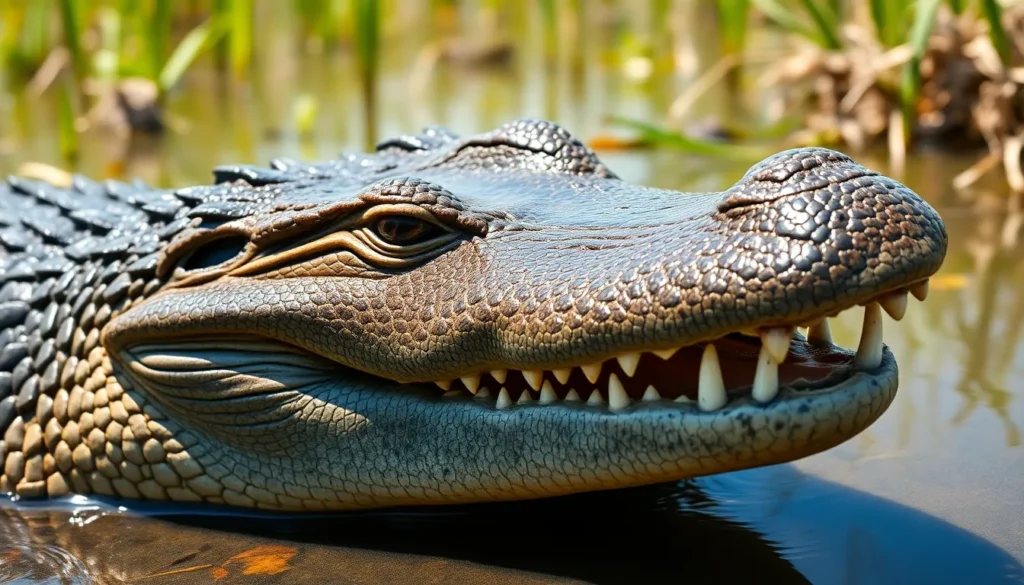
Short Answer
21 Facts About Alligators
- Alligators belong to the family Alligatoridae. This family includes both alligators and caimans, distinguishing them from crocodiles.
- There are two living species of alligators. The American alligator (Alligator mississippiensis) and the Chinese alligator (Alligator sinensis) are the only two extant species.
- American alligators are native to the southeastern United States. They primarily inhabit states such as Florida, Louisiana, Georgia, and the Carolinas.
- Chinese alligators are critically endangered. Native to eastern China, their population has drastically decreased due to habitat loss.
- Alligators have a broad snout. Their U-shaped snout differentiates them from crocodiles, which have a more pointed, V-shaped snout.
- Alligators can live up to 35-50 years in the wild. Some individuals in captivity have lived longer, sometimes exceeding 70 years.
- Adult American alligators can grow up to 13-15 feet in length. Males are generally larger than females.
- Alligators are ectothermic. They regulate their body temperature through external sources like sunbathing or seeking shade.
- They are carnivorous and opportunistic feeders. Their diet includes fish, birds, mammals, and occasionally carrion.
- Alligators use a unique vocalization system. Hatchlings make high-pitched chirps, and adults can produce deep bellows during mating season.
- Alligators exhibit parental care. Female alligators guard nests and assist hatchlings in reaching water after they emerge.
- Alligator nests are built from vegetation and mud. The decaying plant matter generates heat, incubating the eggs.
- Temperature determines the sex of alligator hatchlings. Warmer temperatures typically produce males, while cooler temperatures yield females.
- Alligators have a powerful bite force. They can exert a bite pressure exceeding 2,000 pounds per square inch.
- Despite their strength, alligators’ bite muscles are large, but their jaw-opening muscles are relatively weak. This means they can clamp down with great force but open their jaws with little resistance.
- Alligators play a role in shaping their ecosystem. Their digging activities create “alligator holes” which provide habitat for other species during dry periods.
- Alligator populations were once endangered due to hunting and habitat loss. Protection efforts have helped their numbers recover in the U.S.
- Alligators are protected under the U.S. Endangered Species Act and CITES. These regulations help prevent illegal trade and exploitation.
- Alligators are indicators of wetland health. Their presence often signifies a balanced and functioning ecosystem.
- Alligators have a sensory organ called the integumentary sensory organ (ISO). Located on their jaws, these help detect changes in water pressure and vibrations.
- They have been present on Earth for millions of years. Alligators are considered living fossils, having changed little since the time of the dinosaurs.
Habitat and Behavior
Alligators primarily inhabit freshwater environments such as swamps, rivers, lakes, and marshes. The American alligator is commonly found throughout the southeastern United States, thriving in warm climates with abundant water. Chinese alligators are restricted to a small range in eastern China and prefer slow-moving rivers and ponds. Alligators are mostly nocturnal and spend much of their time submerged or basking on the banks to regulate body temperature. They are territorial animals, especially during mating season, and communicate through vocalizations and body language. Their diet is diverse and opportunistic, ranging from fish and amphibians to mammals and birds. During colder months, alligators enter a state similar to hibernation called brumation, slowing their metabolism to survive lower temperatures.
Why This Animal Matters
Alligators are keystone species in their ecosystems, meaning they have a disproportionately large impact on their environment relative to their abundance. Their creation of alligator holes helps maintain aquatic habitats for many other species, especially during droughts. By preying on various animals, they help control populations and maintain ecological balance. Alligators also hold cultural significance, especially in the southern United States, where they appear in folklore and local traditions. Conservation efforts for alligators have served as a model for protecting other threatened species and wetlands. Furthermore, their ability to indicate ecosystem health makes them important subjects for environmental monitoring and research.
Common Misconceptions
Misconception: Alligators and crocodiles are the same.
Correction: Although related, alligators and crocodiles belong to different families and differ in physical traits such as snout shape, behavior, and habitat preference.
Misconception: Alligators are aggressive towards humans and often attack unprovoked.
Correction: Alligators generally avoid humans and attacks are rare, usually occurring when the animal is provoked or feels threatened.
Misconception: Alligators can live in saltwater environments.
Correction: While primarily freshwater animals, American alligators can tolerate brackish water temporarily but do not thrive in saltwater like some crocodile species.
Misconception: Alligators are slow-moving creatures.
Correction: Alligators can move quickly over short distances, especially in water, where they are agile swimmers.
Misconception: Alligators’ jaws can open with the same force as they close.
Correction: Their jaw-closing muscles are very strong, but jaw-opening muscles are relatively weak, allowing humans to hold their jaws shut if necessary.
FAQ
What is the difference between an alligator and a crocodile?
Alligators and crocodiles differ in physical features such as snout shape (alligators have broader U-shaped snouts, crocodiles have pointed V-shaped snouts), habitat preferences (alligators prefer freshwater, crocodiles tolerate saltwater), and behavior. They also belong to different families within the order Crocodylia.
Are alligators dangerous to humans?
While alligators are capable of inflicting serious harm, they generally avoid humans and attacks are rare. Most incidents occur when alligators are provoked, feel threatened, or are protecting their nests. It is important to observe them from a safe distance.
How do alligators regulate their body temperature?
Alligators are ectothermic reptiles, meaning they depend on external heat sources to regulate their body temperature. They bask in the sun to warm up and seek shade or water to cool down, adjusting their behavior to maintain an optimal temperature.



Leave a Reply