
Short Answer
The vibrant tapestry of the plant kingdom is a marvel to behold, teeming with life, growth, and fascinating phenomena that often go unnoticed. Have you ever pondered how these seemingly simple organisms can have such a profound impact on our world? From purifying the air we breathe to inspiring ancient remedies, plants hold secrets waiting to be unveiled. In exploring the enchanting world of flora, let’s delve into ten cool green facts that not only enlighten but also challenge our understanding of nature’s resilience and ingenuity.
1. Photosynthesis: The Solar Symphony
Imagine a process akin to nature’s own version of a solar-powered factory. Plants harness sunlight, carbon dioxide, and water to craft their sustenance through photosynthesis. This remarkable dance of light and energy not only fuels the plant’s growth but also generates oxygen—essential for the survival of countless species, including humans. Have you ever considered how many breaths you owe to these leafy wonders?
2. The Underground Network: Nature’s Internet
Beneath the forest floor lies a hidden world of mycelium—a fungal network that forms an intricate web, facilitating communication and nutrient exchange among trees and plants. Dubbed the “Wood Wide Web,” this synergy enhances biodiversity and ecosystem resilience. Can you imagine an entire community of plants exchanging vital information without ever whispering a word?
3. Carnivorous Plants: The Gourmet Predators
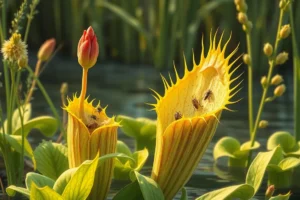
In the lush realms of bogs and swamps, carnivorous plants such as the Venus flytrap and sundew have evolved to supplement their diets by capturing unsuspecting insects. These botanical predators employ intricate mechanisms to entice, trap, and digest their prey. What if you had to adapt your eating habits to snare a meal? Would you remain vegetarian or become a gourmet insect chef?
4. Age-Old Guardians: The Longevity of Trees
Some trees possess a longevity that would make even the most seasoned of humans feel young in comparison. The Methuselah tree, a bristlecone pine in California, is estimated to be over 4,800 years old! This ancient sentinel stands as a testament to endurance and adaptability. What lessons could we glean from the steadfastness of such ancient beings in our own lives?
5. Plant Intelligence: The Unseen Mind
While plants may not have a central nervous system, emerging research suggests they exhibit a form of intelligence and responsiveness to their surroundings. For instance, when under threat, certain plants can release chemical signals that warn neighboring flora to bolster their defenses. Have you ever thought about how plants might be showcasing intelligence in ways we’re only beginning to comprehend?
6. Colorful Camouflage: The Art of Attraction
The striking hues of flowers are not simply for show; they serve a purpose. Bright colors and alluring scents attract pollinators, ensuring reproduction and the continuation of plant species. The intricate relationship between flora and fauna demonstrates nature’s artistry in survival. Challenge yourself—can you identify your local flowers and the pollinators they attract?
7. Plant Adaptations: Surviving Against the Odds
Plants have developed an array of remarkable adaptations to survive in the harshest environments. Desert succulents store water in their thick, fleshy leaves, while some alpine flowers bloom in frigid conditions. These adaptations not only fascinate but also inspire biomimicry in human innovation. What strategies might you adopt from resilient flora in your daily life?
8. The Healing Power of Plants: Nature’s Pharmacy
For centuries, humans have turned to plants for medicinal properties, many of which are fundamental to modern medicine. From the willow tree, whose bark yields salicin (a precursor to aspirin), to the diverse array of herbs utilized in various cultures, plants have been lifesaving allies. How might exploring herbal remedies add a new dimension to your health and wellbeing?
9. The Importance of Biodiversity: A Tapestry of Life
Biodiversity among plant species plays a crucial role in ecosystem stability. A diverse array of plants ensures resilience against disease and climate change, providing vital services such as food production and carbon sequestration. As stewards of the environment, how can we contribute to preserving this rich tapestry of life?
10. The Carbon Sink: Nature’s Climate Solution
Plants act as major carbon sinks, absorbing carbon dioxide during photosynthesis and mitigating climate change. Forests, particularly rainforests, play an outsized role in controlling atmospheric carbon levels. Given the urgency of climate action, what steps can we take, from reforestation to sustainable practices, to enhance this natural solution?
In closing, the world of plants is not merely a backdrop to our lives; it is a vibrant, dynamic force that shapes our very existence. From their astonishing mechanisms of growth and survival to their interconnectedness with us and the environment, plants challenge us to rethink our role within the natural world. So, the next time you stumble upon a garden or venture into the wild, consider the lush green marvels surrounding you. What can you learn, and how can you challenge yourself to engage with this verdant world? The answers may surprise you and enrich your life in ways you’ve yet to imagine.


Leave a Reply