
Short Answer
When you think of automobiles, your mind likely conjures images of sleek designs, powerful engines, and the freedom of the open road. But have you ever stopped to consider the myriad of fascinating facts that weave together the story of these remarkable machines? From their innovative technologies to their cultural impact, automobiles are not merely a means of transportation; they are a symbol of progress and creativity. So, how well do you really know your car? Could you rise to the challenge of discovering extraordinary insights that will leave you in awe? Let’s embark on this automobile adventure and uncover some amazing facts that might just surprise you!
1. The First Automobile: A Humble Beginning
While the modern automobile is a complex marvel, it all began with a simple contraption. In 1886, Karl Benz created the first gasoline-powered vehicle, the Benz Patent-Motorwagen. With its three wheels and a modest 0.75 horsepower, it could barely be called a “car” by today’s standards. However, this invention laid the foundation for the automotive industry.
2. More Cars Than People
In the United States alone, there are more registered vehicles than people. As of the latest statistics, there are over 270 million registered cars and trucks in the U.S., contrasted with a population just over 330 million. This fascinating statistic highlights the love affair between Americans and their vehicles—whether for practicality, convenience, or sheer enjoyment.
3. The Rise of Electric Vehicles
Have you considered how electric vehicles (EVs) are changing the automotive landscape? Although they date back as early as the 1830s, only recently have they gained significant traction. With advancements in battery technology, skyscraping sales in the 21st century, and an increasing number of companies manufacturing EVs, we are witnessing a silent revolution on the roads. It poses an intriguing question: Will conventional vehicles soon be relegated to the history books?
4. Speed Records: A Race Against Time
The quest for speed has long been a driving force in the automotive world. As of now, the fastest production car is the SSC Tuatara, which clocked in at an astonishing 282.9 mph. This achievement showcases not only engineering prowess but also the relentless pursuit of excellence that defines the industry. Can you imagine a future where cars exist solely to break speed records on scientific tracks rather than commuting?
5. The Color of Your Car Matters
Ever wondered why red cars are often associated with speed and excitement? Studies have shown that the color of a vehicle can influence its appeal and resale value. Neutral colors like white, black, and gray tend to outperform bolder hues in the resale market. It’s fascinating to think about how something as simple as color can have such profound implications—what color would you choose for your dream car?
6. Autonomous Vehicles: A Leap into the Future
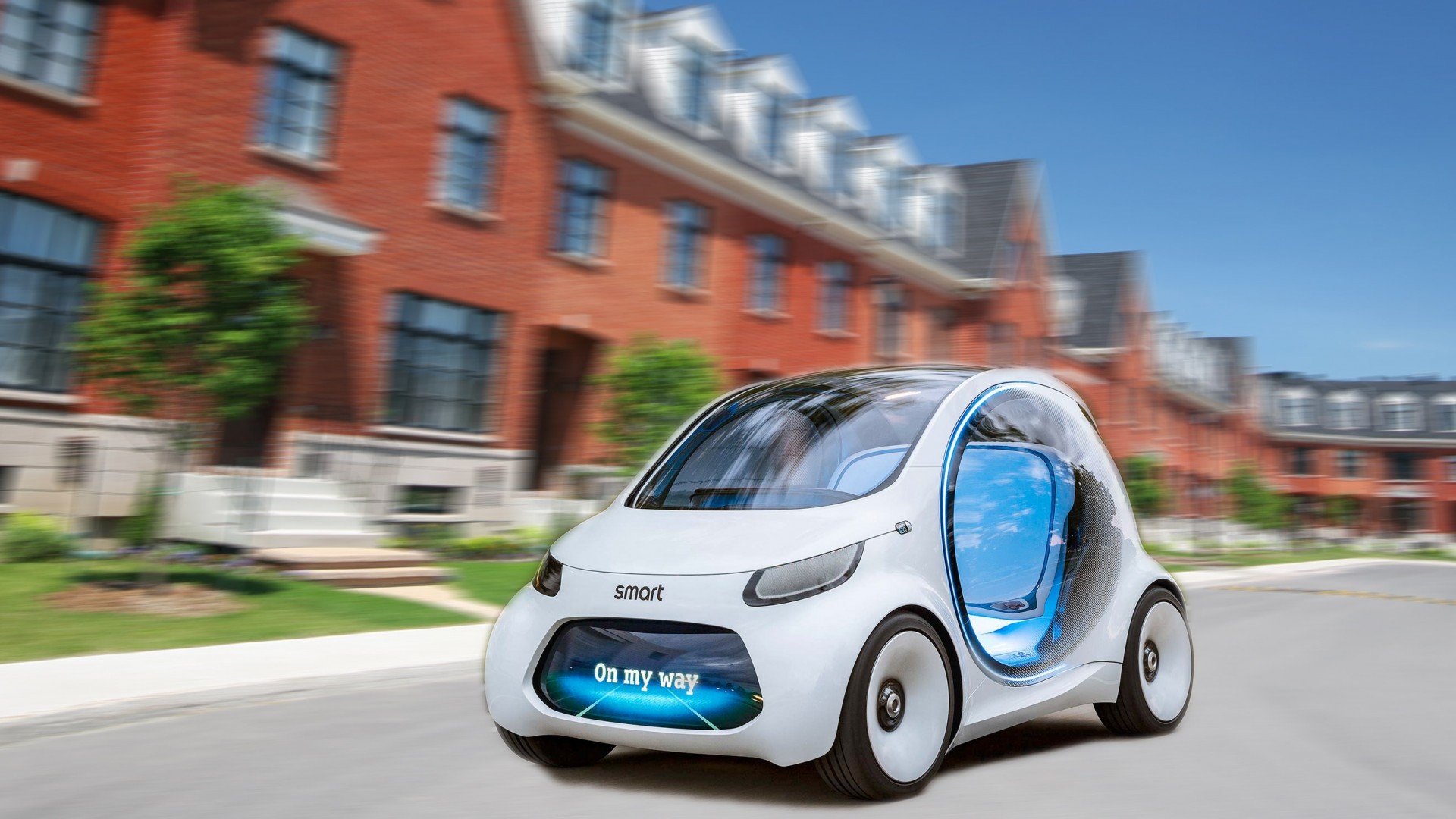
Self-driving technology is no longer a thing of the distant future. With companies like Tesla and Waymo leading the charge, we’re inching closer to a reality where cars can navigate without human intervention. But what does this mean for road safety, employment, and our relationship with driving itself? The challenge lies in embracing this technology while ensuring ethical considerations are at the forefront.
7. The World’s Oldest Car
What’s the oldest running car you can imagine? That title goes to a 1884 De Dion Bouton Et Trapard, a steam-powered vehicle that still operates today. This antique reminds us of the enduring nature of ingenuity and craftsmanship. It prompts a reflective thought: what do you think future car enthusiasts will cherish from our modern era?
8. The Impact of Automobile Emissions
While automobiles have transformed our world, they have also contributed to significant environmental challenges. The emissions from fossil fuel-powered cars contribute to air pollution and climate change. Governments and organizations are tirelessly working to mitigate these issues, from introducing stricter regulations to promoting sustainable alternatives. The dilemma we face is striking a balance between our love for automobiles and our responsibility to the planet.
9. Innovative Safety Features
The evolution of safety features in automobiles is staggering. From anti-lock brakes to airbags and lane departure warnings, manufacturers are constantly innovating to protect drivers and passengers. The question is: how much more advanced can these technologies become? What new features will we see in a decade? The safety landscape may soon include predictive technologies and AI-driven systems.
10. The Car as Culture
Consider this: automobiles are more than just machines; they reflect societal trends and cultural identities. Car-related events and shows attract enthusiasts worldwide, showcasing a blend of passion, craftsmanship, and community. From vintage car aficionados who celebrate nostalgia to the futuristic orientation of electric vehicle enthusiasts, what do cars reveal about our values and aspirations? The answer may vary, but one thing is sure—cars serve as a canvas for creativity and self-expression.
In conclusion, the world of automobiles is replete with extraordinary facts and thought-provoking possibilities. As we’ve journeyed through this exploration of vehicles, their impact on society, and the challenges that lie ahead, one thing remains clear: the automobile is not just a mode of transport—it’s a testament to human ingenuity and a reflection of our evolving world. So, what new perspective do you hold now? Are you ready to embrace the future of cars?
FAQ
What was the first automobile ever made?
The first automobile was the Benz Patent-Motorwagen, created by Karl Benz in 1886.
How many cars are there in the USA?
There are over 270 million registered vehicles in the United States.
What are electric vehicles?
Electric vehicles are cars that are powered by electricity instead of gasoline, gaining popularity due to advancements in technology.
What is the fastest production car?
The SSC Tuatara is currently recognized as the fastest production car, with a record speed of 282.9 mph.


Leave a Reply