
Short Answer
Down syndrome, characterized by the presence of an extra 21st chromosome, offers a treasure trove of intriguing facts that merit broader awareness. This genetic condition is a multifaceted tapestry of human experience, weaving together the challenges and triumphs of individuals who embody resilience. Understanding the complexities of Down syndrome not only enhances awareness but also cultivates a deeper appreciation for the unique qualities that these individuals bring to the mosaic of humanity.
1. Genetics: The Chromosomal Anomaly
At its core, Down syndrome stems from a chromosomal irregularity. The condition arises when there is a third copy of chromosome 21, a phenomenon known as trisomy 21. This genetic twist not only influences physical and cognitive features but also shapes the individual’s lifelong journey. It’s as if nature plays a whimsical game of cards, dealing an unexpected hand that can foster both challenges and exceptional qualities.
2. Physical Characteristics: A Distinctive Template
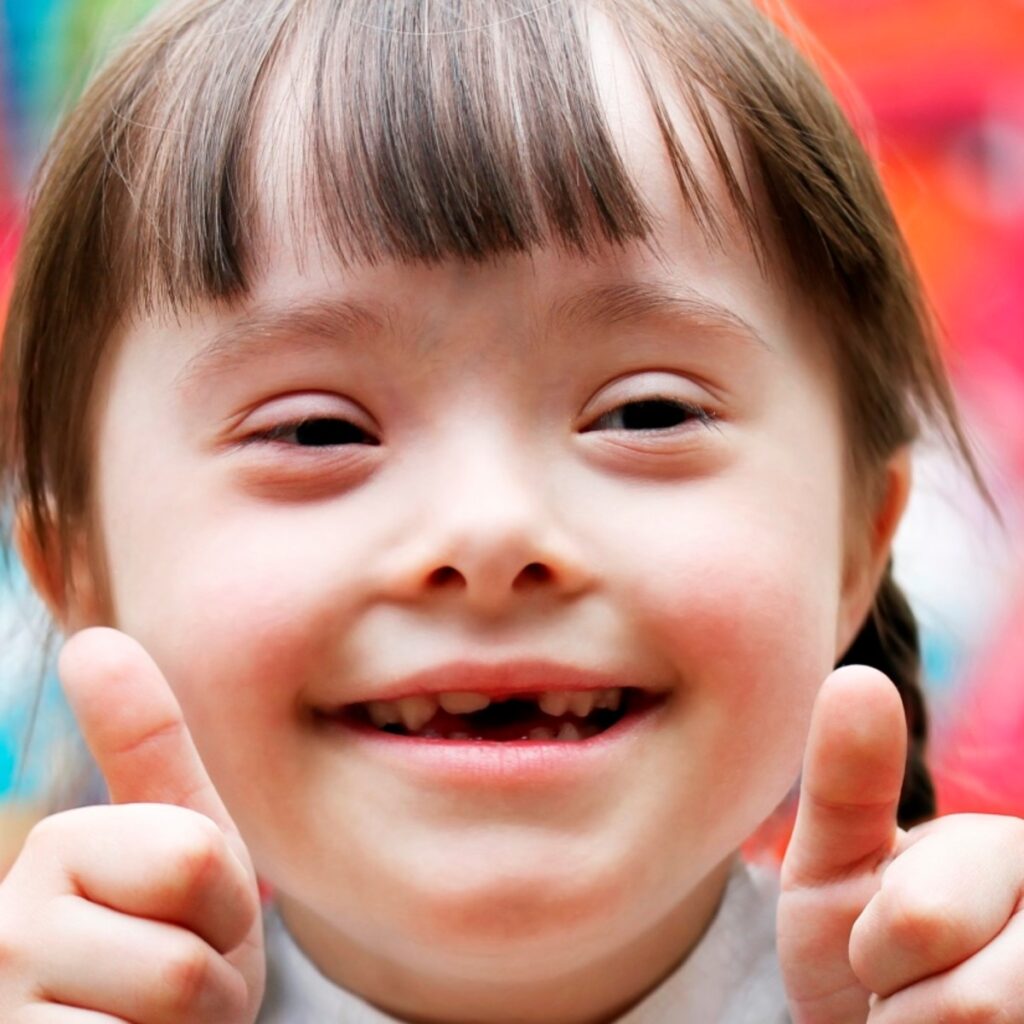
Individuals with Down syndrome often exhibit distinctive physical traits, such as a flatter facial profile, almond-shaped eyes, and a protruding tongue. These features, while pronounced, serve as a badge of uniqueness rather than anything less. It is a reminder that humanity comes in myriad forms, each with its own story, fostering an appreciation for diversity in appearance.
3. Developmental Milestones: A Different Pace
Developmental milestones can manifest differently for those with Down syndrome. Children may take longer to walk, talk, and achieve academic success. This variance creates a unique rhythm to which they march, often paralleling the sentiment of a symphony where the individual notes combine to form a harmonious whole. While they may not always follow the conventional timeline, their achievements shine with the brilliance of hard-earned triumph.
4. Intellectual Abilities: Beyond Labels
The intellectual capacities of those with Down syndrome can span a wide spectrum. Although some may face cognitive challenges, it’s vital to recognize their capacities for learning and creativity. Each individual is a unique puzzle, exhibiting strengths that can be vastly different from one another. This highlights the fallacy of generalizing abilities based solely on genetic predispositions.
5. Social Abilities: The Heart’s Intuition
Individuals with Down syndrome often possess heightened emotional intelligence, fostering relationships that are richly textured. Their innate capacity for empathy and social connection enables them to navigate the complexities of human interaction with remarkable ease. Like an artist wielding a brush, they paint the world with kindness, often blurring the boundaries between social norms and emotional resonance.
6. Health Considerations: Navigating Life’s Challenges
The journey of those with Down syndrome may be accompanied by health challenges, including congenital heart defects, gastrointestinal issues, and an increased susceptibility to respiratory infections. This necessitates vigilant healthcare management, akin to an experienced sailor navigating through stormy waters. Awareness and proactive care can illuminate the pathway to a healthier life, ensuring that they can navigate the choppy seas of health with confidence.
7. Encouraging Inclusion: Breaking Down Barriers
Advocacy for inclusion is paramount in reshaping societal perceptions of Down syndrome. Educational initiatives, community programs, and inclusive policies serve as rays of sunlight breaking through the clouds of misunderstanding. The integration of individuals with Down syndrome into mainstream settings fosters an environment where diversity thrives, allowing every voice to be heard and valued.
8. Contributions to Society: Remarkable Achievements
Countless individuals with Down syndrome have made significant contributions to society. From thriving artists and athletes to passionate advocates and community leaders, their achievements serve as testaments to resilience and tenacity. These contributions often shine like stars in a clear night sky, illuminating the potential that exists within every individual. Their stories inspire others to recognize that ability knows no bounds.
9. The Power of Advocacy: Amplifying Voices
A grassroots movement advocating for individuals with Down syndrome has gained momentum, amplifying their voices and championing their rights. Organizations and advocacy groups work diligently to educate the populace, dismantling prejudices and stereotypes that have persisted over time. The power of collective action resonates, driving transformative change that empowers individuals and fosters acceptance.
10. Celebrating Down Syndrome: A Day of Awareness
World Down Syndrome Day, observed annually on March 21st, serves as a global platform to raise awareness and promote acceptance. The date, symbolically chosen to represent the trisomy of chromosome 21, encourages communities to celebrate the uniqueness of people with Down syndrome. Activities range from educational workshops to fun runs, all aimed at fostering understanding and camaraderie among diverse groups.
11. Expressing Creativity: Infinite Possibilities
Creativity often emerges as a defining characteristic among individuals with Down syndrome. Whether through art, music, or dance, these expressions allow individuals to share their perspectives and experiences. Each artistic endeavor serves as a window into their soul, reflecting a world seen through a distinct lens. Embracing this creativity enriches the cultural tapestry of society as a whole, demonstrating that expression knows no boundaries.
12. Building Relationships: Bonds of Love
The bonds formed with family and friends are foundational in the lives of those with Down syndrome. Love and support cultivate a nurturing environment, enabling individuals to flourish and embrace their full potential. These relationships echo the sentiment of an unbreakable chain, reinforcing the notion that together, families and communities can overcome obstacles and celebrate the joys of life.
In summary, Down syndrome is not just a genetic condition; it embodies a rich array of experiences and contributions that enhance the understanding of humanity. By encouraging awareness, embracing diversity, and recognizing the unique appeal that these individuals confer upon society, we can cultivate a community that champions acceptance, amplifies voices, and celebrates life in all its splendid forms. The narrative of Down syndrome thus transforms, leading us to appreciate the beauty and complexity of every individual’s journey.





Leave a Reply