
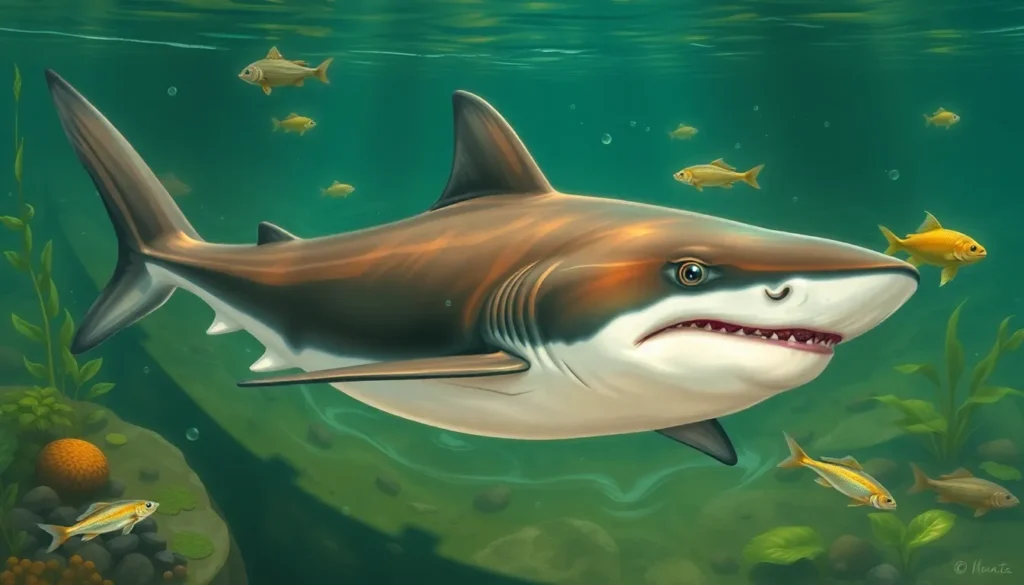
Short Answer
21 Facts About Bull Shark Freshwater Tolerance
- Adaptability to Salinity: Bull sharks can tolerate a wide range of salinity levels, making them unique among shark species.
- Migration Patterns: Bull sharks are known to migrate between saltwater and freshwater habitats.
- Habitat Range: Bull sharks inhabit a variety of waterways, including rivers, lakes, and coastal areas.
- Physiological Adaptations: Bull sharks possess unique physiological adaptations to regulate their body chemistry.
- Feeding Habits: Bull sharks are opportunistic feeders and will consume a variety of prey.
- Reproductive Behavior: Bull sharks give birth to live young in estuaries and shallow waters.
- Behavioral Flexibility: Bull sharks are known for their aggressive behavior, especially in freshwater.
- Survival Strategies: Bull sharks utilize various survival strategies to thrive in freshwater.
- Ecological Role: Bull sharks are apex predators and play a vital role in their ecosystems.
- Cultural Significance: Bull sharks have a place in various cultures and myths.
- Impact of Climate Change: Climate change may affect the distribution of bull sharks.
- Conservation Status: Bull sharks are currently classified as Near Threatened by the IUCN.
- Research Interest: Bull sharks are a focus of ongoing scientific research.
- Human Interactions: Encounters between bull sharks and humans can be dangerous.
- Historical Sightings: Historical records indicate that bull sharks have been present in freshwater systems for centuries.
- Unique Physiology: The bull shark’s liver is also adapted for buoyancy control.
- Social Behavior: Bull sharks can exhibit social behaviors, especially during mating.
- Longevity: Bull sharks can live up to 30 years in the wild.
- Species Variability: There are several recognized populations of bull sharks across the globe.
- Public Awareness: Increased awareness of bull sharks’ presence in freshwater can promote conservation.
- Future Studies: Future research is needed to understand the full implications of bull sharks in freshwater ecosystems.
While most sharks prefer saltwater, bull sharks are capable of living in both saltwater and freshwater environments. This adaptability is primarily due to their specialized kidneys, which can filter out excess salt.
They often travel upstream in rivers and can be found hundreds of miles inland, demonstrating their ability to thrive in diverse environments.
These sharks have been spotted in rivers such as the Mississippi, Amazon, and Zambezi, showcasing their extensive range.
Their kidneys and rectal glands help manage the balance of salts and fluids in their bodies, facilitating survival in freshwater.
Their diet primarily includes fish, turtles, and even small mammals, which they can find in both saltwater and freshwater environments.
This reproductive strategy allows the pups to have access to abundant food sources in these nutrient-rich areas.
While they can be unpredictable, they play a crucial role in maintaining the ecological balance of their habitats.
They can enter a state of low metabolic activity during unfavorable conditions, allowing them to conserve energy.
By controlling the populations of other species, they help maintain a balanced food web.
In some regions, they are revered, while in others, they are feared due to their aggressive nature.
Changes in water temperature and salinity can alter their migratory patterns and habitat preferences.
Overfishing and habitat loss pose significant risks to their populations, highlighting the need for conservation efforts.
Studying their behavior in freshwater environments helps scientists understand their adaptability and ecological impacts.
Awareness of their presence in freshwater bodies is essential for safety, especially in areas where they are known to reside.
Their adaptability has allowed them to persist through environmental changes over time.
This adaptation allows them to navigate efficiently in various water depths.
These interactions can be complex and vary based on environmental conditions.
This longevity contributes to their role as stable members of their ecosystems.
Each population may exhibit unique adaptations based on their specific habitats.
Educational initiatives can help foster coexistence between humans and these sharks.
Such studies could provide insight into their adaptability and the health of aquatic environments.
Habitat and Behavior
Bull sharks are found in warm waters worldwide, often inhabiting shallow coastal areas as well as rivers and lakes. Their ability to tolerate freshwater allows them to venture far inland, where they may hunt for prey. They are known for their aggressive behavior and are often solitary hunters, although they can exhibit social structures during mating periods.
Why This Animal Matters
Bull sharks play a crucial ecological role as apex predators, helping to regulate marine and freshwater ecosystems. Their presence indicates a healthy environment, and they are an important species for biodiversity. Additionally, understanding their adaptability to freshwater can inform conservation strategies as habitats change due to climate change and human activities.
Common Misconceptions
Misconception: Bull sharks only inhabit saltwater environments.
Correction: Bull sharks can thrive in both saltwater and freshwater, often traveling long distances inland.
Misconception: Bull sharks are only dangerous in the ocean.
Correction: Bull sharks can pose risks to humans in freshwater environments as well, due to their aggressive nature and adaptability.
FAQ
Can bull sharks survive in freshwater permanently?
Yes, bull sharks can live in freshwater for extended periods due to their physiological adaptations.
Are bull sharks more aggressive in freshwater?
Bull sharks are known for their aggressive behavior, which can be heightened in freshwater environments due to food availability.
How far inland have bull sharks been found?
Bull sharks have been documented over 1,000 miles inland in some river systems.



Leave a Reply