
Short Answer
21 Facts About Electric Rays
- Electric Rays Can Produce Electric Shocks
Electric rays, belonging to the family Torpedinidae, are known for their ability to generate electric shocks, which they use for hunting and self-defense. - Varied Electric Output
The electric output of these rays can vary significantly, with some species capable of delivering shocks of up to 220 volts. - Unique Body Structure
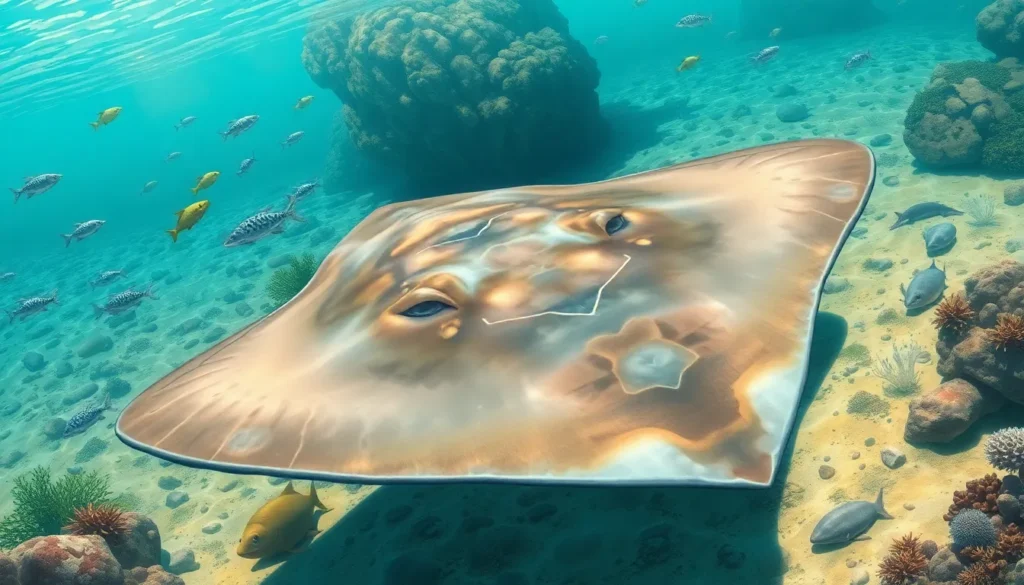
Electric rays have flattened bodies and are adapted to a benthic lifestyle, often found lying on the ocean floor. - Use of Electricity for Navigation
In addition to hunting, electric rays may use their electric field for navigation and orientation in murky waters. - Feeding Mechanism
They primarily feed on small fish and invertebrates, utilizing their shocks to immobilize prey. - Habitat Range
Electric rays are typically found in warm, shallow coastal waters, although some species can inhabit deeper waters. - Reproductive Behavior
These rays are ovoviviparous, meaning they give birth to live young that develop inside eggs retained within the female’s body. - Social Behavior
Electric rays are generally solitary creatures, but they may be found in small groups during mating seasons. - Threats to Electric Rays
Habitat degradation and fishing practices pose significant threats to various electric ray species. - Electric Shock Mechanism
Electric rays generate shocks through specialized electrocytes, which are modified muscle cells that produce electricity. - Role in Ecosystem
As predators, electric rays play an important role in maintaining the balance of marine ecosystems. - Symbiotic Relationships
Some species of electric rays may host parasites, which can affect their health and behavior. - Misconceptions About Electric Shocks
Many people believe that all electric rays can deliver lethal shocks; however, the intensity of the shock varies by species and is typically not fatal to humans. - Conservation Status
Some species of electric rays are listed as vulnerable or endangered due to overfishing and habitat loss. - Electric Ray Species
There are over 20 recognized species of electric rays, each with distinct characteristics and habitats. - Historical Significance
Electric rays have been known since ancient times, with references found in texts from Aristotle to modern marine biology. - Electric Rays in Aquariums
Due to their unique features, electric rays are sometimes kept in aquariums, but they require specific care and conditions. - Research Interest
Electric rays are of interest in scientific research not only for their unique biology but also for potential applications in bioelectricity. - Behavioral Studies
Studies have shown that electric rays can learn and adapt their hunting strategies based on environmental cues. - Electric Ray Distribution
Electric rays are found in oceans worldwide, with a higher diversity in tropical and subtropical regions. - Human Interaction
While electric rays are generally not aggressive, accidental encounters can lead to electric shocks, which are typically painful but not life-threatening.
Habitat and Behavior
Electric rays inhabit warm, shallow waters, often resting on the ocean floor among sand or mud. They are primarily nocturnal hunters, using their electric sensing abilities to locate prey hidden in the substrate. Their flattened bodies allow them to camouflage effectively, while their ability to generate electric shocks aids in both predation and defense against potential threats.
Why This Animal Matters
Electric rays play a crucial role in marine ecosystems as predators of small fish and invertebrates, helping to maintain population balance. Their unique adaptations for electric shock production provide insights into bioelectricity, with implications for both ecological studies and potential technological advancements. Additionally, conservation efforts for electric rays can contribute to broader marine health initiatives, as many species are threatened by human activities.
Common Misconceptions
All electric rays can deliver lethal shocks.

The intensity of shocks varies by species, with most shocks not being fatal to humans.
Electric rays are aggressive toward humans.
Electric rays are generally non-aggressive and will use their electric shocks primarily in self-defense or to immobilize prey.
FAQ
What do electric rays eat?
Electric rays primarily feed on small fish and invertebrates, using their electric shocks to immobilize prey.
Are electric rays dangerous to humans?
Electric rays can deliver painful shocks, but they are generally not lethal and prefer to avoid human interaction.
How do electric rays generate electricity?
Electric rays produce electricity through specialized cells called electrocytes, which function similarly to batteries.





Leave a Reply