
Short Answer
21 Facts About Anchovy Spawning
- Spawning Season: Anchovies typically spawn in warmer months, aligning their reproductive cycle with optimal environmental conditions.
- Egg Size: The eggs of anchovies are relatively small, averaging about 1.2 millimeters in diameter.
- Egg Production: A single female anchovy can produce up to several hundred thousand eggs during a spawning event.
- Location of Spawning: Anchovies often spawn in coastal waters, particularly in areas with nutrient-rich upwellings.
- Larval Development: Anchovy larvae hatch within 24 to 48 hours after fertilization, depending on water temperature.
- Temperature Influence: Water temperature significantly affects the timing and success of anchovy spawning.
- Salinity Tolerance: Anchovy eggs and larvae can tolerate a range of salinities, allowing them to thrive in various coastal environments.
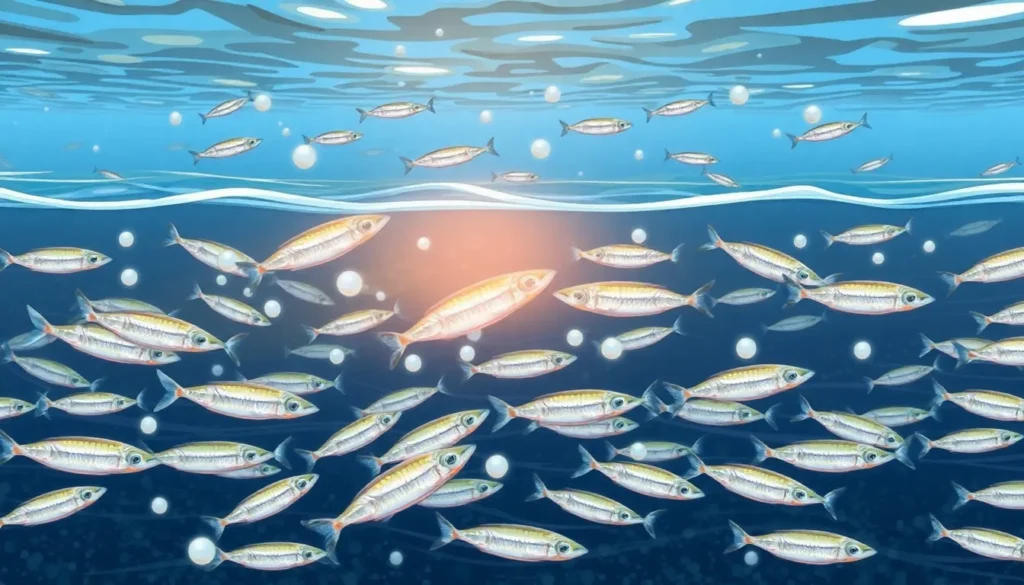
- Behavioral Patterns: During spawning, anchovies exhibit specific behaviors such as synchronized swimming and surface activity.
- Predation Pressure: Spawning anchovies are vulnerable to predation from various marine species, including larger fish and seabirds.
- Parental Care: Anchovies do not exhibit parental care after spawning; the eggs and larvae must fend for themselves.
- Environmental Impact: Environmental changes, such as pollution and climate change, can affect anchovy spawning success.
- Geographic Distribution: Anchovy species are found in various oceans, with notable spawning populations in the Pacific and Atlantic.
- Fertilization Method: Anchovy spawning typically involves external fertilization, where eggs and sperm are released into the water column simultaneously.
- Spawning Aggregations: Anchovies often form large spawning aggregations, which can enhance fertilization success.
- Impact of Overfishing: Overfishing can disrupt anchovy spawning populations, impacting their reproductive output and ecosystem balance.
- Life Cycle: The life cycle of anchovies includes multiple stages, starting from eggs to larvae, then juvenile, and finally adult fish.
- Role in Food Web: Anchovies serve as a crucial link in the marine food chain, feeding on plankton and serving as prey for larger fish.
- Influence of Lunar Cycles: Some studies suggest that lunar cycles may influence the timing of anchovy spawning events.
- Traditional Fisheries: Anchovies are significant in traditional fisheries, particularly in Mediterranean and Asian cuisines.
- Research and Monitoring: Ongoing research is essential to understand the dynamics of anchovy spawning and its ecological implications.
- Conservation Status: Many anchovy populations are subject to conservation regulations to ensure their sustainability and protect marine biodiversity.
This seasonal spawning is crucial as it coincides with increased food availability, supporting the growth of larvae.
These tiny eggs are buoyant and float in the water column, which helps in their dispersal and increases the chances of survival for the larvae.
This high fecundity is a survival strategy to offset high predation rates on the eggs and larvae.
These areas provide a conducive environment for the development of anchovy larvae.
Fast hatching rates are essential to ensure that the young fish can quickly begin feeding and growing.
Warmer temperatures generally promote higher rates of spawning and larval survival.
This adaptability is essential for their survival in dynamic marine ecosystems.
These behaviors may enhance mating success and egg fertilization rates.
This vulnerability highlights the importance of timing and location for successful reproduction.
This strategy is common among many fish species, relying on high egg production to ensure some offspring survive.
These impacts may lead to fluctuations in anchovy populations, affecting the entire marine food web.
Each species has adapted to specific ecological niches across these regions.
This method increases the likelihood of successful fertilization, given the high number of gametes released.
These aggregations create a reproductive environment that maximizes encounters between eggs and sperm.
Conservation measures are necessary to maintain healthy anchovy stocks.
Understanding this cycle is essential for effective management and conservation efforts.
Their role underscores their importance in maintaining ecological balance in marine environments.
This connection to lunar phases is observed in various marine species and may impact reproductive success.
This cultural relevance highlights the importance of sustainable management practices.
Monitoring spawning activity helps in the assessment of fishery health and ecosystem status.
Efforts include habitat protection and management of fishing practices.
Habitat and Behavior
Anchovies primarily inhabit coastal waters and estuaries, often associated with nutrient-rich upwellings. They are pelagic fish, meaning they live in the open water column rather than on the ocean floor. Anchovies are known for their schooling behavior, which provides safety in numbers against predators. They feed on plankton and small aquatic organisms, utilizing their specialized gill rakers to filter food from the water.
Why This Animal Matters
Anchovies play a critical ecological role as a key species in marine food webs. Their populations support various marine predators, including larger fish, seabirds, and marine mammals. Additionally, they are economically significant, forming the basis of important fisheries around the world. The health of anchovy populations can serve as an indicator of overall ocean health, reflecting the impacts of environmental changes and human activities.
Common Misconceptions
Misconception: Anchovies are only used as a pizza topping.
Correction: While anchovies are commonly used in various cuisines, including as pizza toppings, they are also utilized in sauces, spreads, and as a key ingredient in traditional dishes worldwide.
Misconception: All anchovy species are the same.
Correction: There are several species of anchovies, each with distinct habitats, spawning behaviors, and ecological roles.
FAQ
What is the primary habitat of anchovies?
Anchovies primarily inhabit coastal waters and estuaries.
How do anchovies reproduce?
Anchovies reproduce through external fertilization, releasing eggs and sperm into the water.
Why are anchovies important to the ecosystem?
Anchovies serve as a crucial food source for various marine predators and are indicators of ocean health.



Leave a Reply