
Short Answer
21 Facts About Newt Skin Toxicity
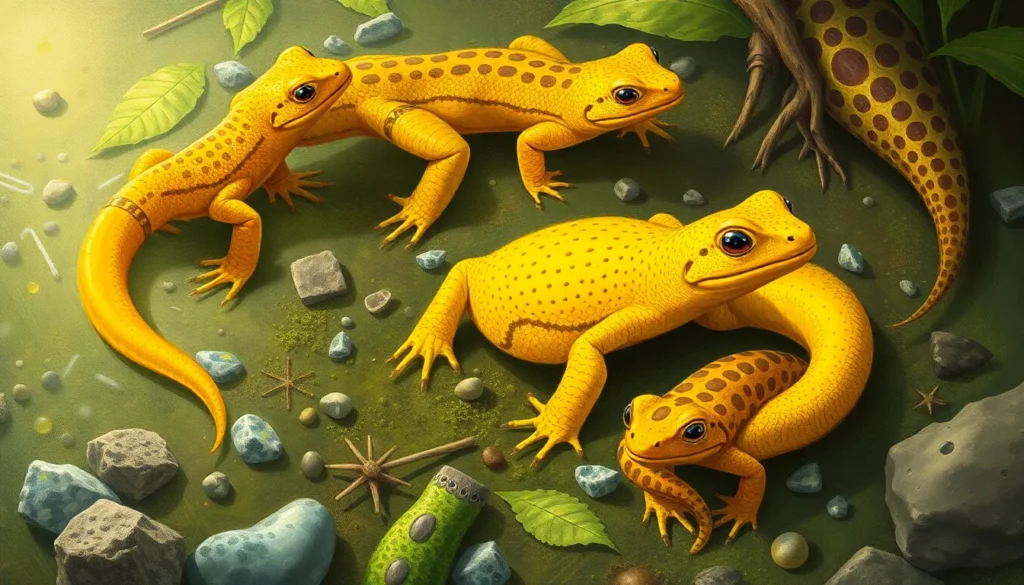
- Newts produce potent toxins. Newts, particularly species like the Eastern Newt, secrete toxins through their skin, which can deter predators.
- Tetrodotoxin is a key toxin. The toxin found in newts is often identified as tetrodotoxin, a potent neurotoxin also found in pufferfish.
- Skin color indicates toxicity. Brightly colored newts, such as the red-spotted newt, often signal their toxicity to potential predators.
- Human interaction is limited. While newt toxins can be harmful, they are rarely dangerous to humans unless ingested or handled improperly.
- Toxin varies by species. Different newt species produce varying levels of toxicity, with some being more dangerous than others.
- Predation defenses. Many animals, including birds and mammals, avoid eating newts due to their toxic skin.
- Environmental factors influence toxicity. The toxicity of newt skin can be affected by environmental conditions, such as diet and habitat.
- Newts use toxins for mating displays. Some male newts display their bright coloration during mating rituals to attract females while also signaling their toxicity.
- Newt toxins have medicinal potential. Research is ongoing into the potential medicinal applications of newt toxins, particularly in pain management.
- Newts secrete toxins as a defense mechanism. When threatened, newts can increase the secretion of their skin toxins to enhance their defense against predators.
- Some predators have adapted. Certain species, like the garter snake, have developed resistance to newt toxins, allowing them to consume these amphibians.
- Habitat loss affects newt populations. Habitat destruction poses a significant threat to newt populations, which can impact their ability to thrive and reproduce.
- Newts undergo metamorphosis. Like other amphibians, newts undergo a metamorphosis from aquatic larvae to terrestrial adults, during which their skin toxicity develops.
- Conservation efforts are critical. Protecting natural habitats is essential for the survival of many newt species, which face threats from pollution and climate change.
- Newts can regenerate limbs. Newts possess remarkable regenerative abilities, allowing them to regrow lost limbs, which may also be linked to their skin’s properties.
- Some toxins can be fatal. While most newt toxins are not lethal to humans, ingestion can lead to serious health issues, emphasizing the need for caution.
- Traditional medicine uses. In some cultures, newts have been used in traditional medicine, though the safety and efficacy of such practices are debated.
- Newt skin toxins vary seasonally. The concentration of toxins in newt skin may fluctuate with the seasons, potentially influenced by factors like breeding cycles.
- Research on toxins is ongoing. Scientists continue to study newt toxins to better understand their biochemical properties and potential applications.
- Newts can be affected by pollution. Environmental pollutants can impact the health and toxicity of newts, raising concerns for their populations.
- Newts play a role in ecosystem health. By serving as both predator and prey, newts contribute to the balance of their ecosystems.
Habitat and Behavior
Newts inhabit a variety of environments, including ponds, marshes, and forested areas. They are primarily found in temperate regions across North America, Europe, and Asia. Newts exhibit both aquatic and terrestrial life stages, often returning to water bodies to breed. They are nocturnal, relying on moist habitats to prevent desiccation, and they feed on small invertebrates, which they hunt through ambush strategies. Their skin, which secretes toxic compounds, serves as a defense mechanism against predators, allowing them to thrive in their environments despite their vulnerability during breeding seasons.
Why This Animal Matters
Newts play a crucial ecological role as both predators and prey in their environments. They help regulate insect populations and serve as food for various species, including birds and mammals. Their presence in an ecosystem can indicate environmental health, as they are sensitive to changes in habitat quality. Additionally, the study of newt skin toxins has potential implications for pharmacology, as researchers explore their applications in medicine. Conservation efforts aimed at protecting newt habitats are vital for maintaining biodiversity and ecosystem stability.
Common Misconceptions
Misconception: All newts are highly toxic to humans.
Correction: While newts produce toxins, they are generally not lethal to humans unless ingested or handled improperly.
Misconception: Newt toxicity is the same across all species.
Correction: Different newt species have varying levels of toxicity, with some being more toxic than others.
FAQ
Are newts dangerous to humans?
Newts can be toxic, but they are generally not dangerous to humans unless ingested.
How does newt toxicity affect their predators?
Predators often learn to avoid newts due to their toxic skin, although some have adapted to their toxins.
What role do newts play in the ecosystem?
Newts help regulate insect populations and serve as a food source for various predators, contributing to ecological balance.



Leave a Reply