
Short Answer
21 Facts About Trap-Neuter-Return for Feral Cats
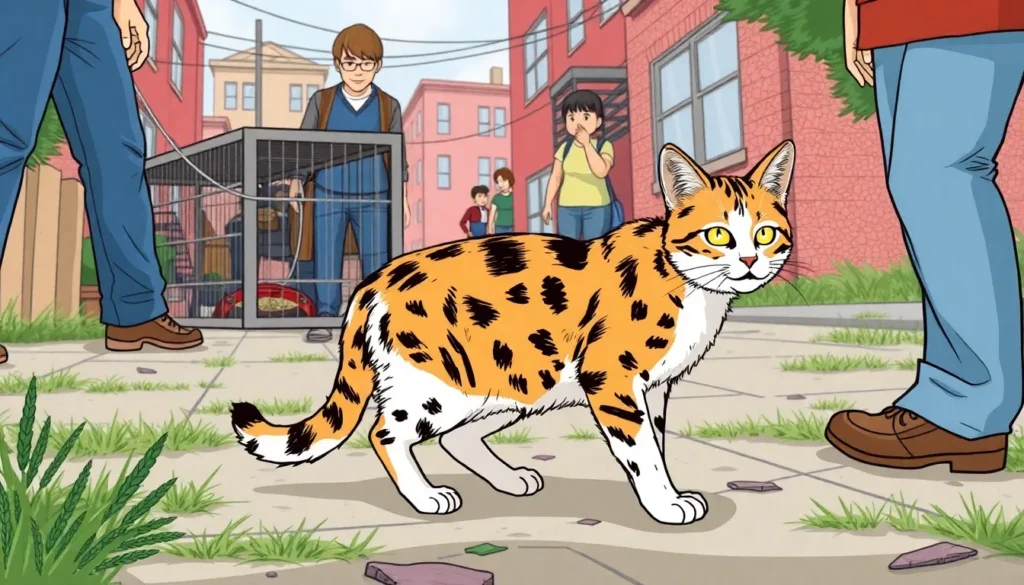
- TNR is a humane method for managing feral cat populations. TNR involves trapping feral cats, neutering or spaying them, and then returning them to their original location.
- TNR helps reduce the number of feral kittens. By neutering or spaying cats, TNR prevents further reproduction, thus decreasing the number of feral kittens born each year.
- TNR is supported by many animal welfare organizations. Numerous organizations advocate for TNR as an effective strategy for feral cat population control.
- TNR has been shown to improve the health of feral cat colonies. Neutered cats tend to have fewer health issues and lower stress levels compared to unaltered cats.
- TNR is often more cost-effective than traditional euthanasia methods. The long-term costs of TNR can be lower than the costs associated with trapping and euthanizing feral cats.
- Community involvement is crucial for successful TNR programs. Engaging local communities helps to secure resources and support for TNR initiatives.
- TNR can help reduce nuisance behaviors associated with unaltered cats. Neutering can diminish behaviors such as yowling, fighting, and marking territory with urine.
- TNR is not a one-size-fits-all solution. Each community may require a tailored approach to implement TNR effectively.
- TNR often leads to a stable cat population. Once a colony is neutered, the population can stabilize, reducing the overall number of cats over time.
- TNR can improve community attitudes towards feral cats. Successful TNR programs can foster a more positive perception of feral cats in neighborhoods.
- TNR programs require ongoing monitoring and support. Continuous care and reassessment are essential to ensure the success of TNR initiatives.
- Some feral cats can be socialized and adopted. While many remain feral, some cats can be socialized and placed into homes.
- TNR can benefit local wildlife. By controlling feral cat populations, TNR may help protect local wildlife from predation.
- TNR helps reduce the stigma associated with feral cats. Education and awareness about TNR can shift public perceptions of feral cats from pests to community animals.
- TNR requires trained volunteers for effective implementation. Volunteers need proper training to safely trap and handle feral cats.
- TNR can lead to collaborations between local governments and non-profits. Many successful TNR initiatives involve partnerships between various organizations.
- TNR helps prevent the spread of diseases. Neutering can reduce the incidence of certain diseases, leading to healthier cat populations.
- TNR is supported by research. Studies have shown that TNR is effective in controlling feral cat populations without resorting to euthanasia.
- TNR programs can enhance community engagement. Involvement in TNR fosters a sense of responsibility and connection to local animal welfare issues.
- Monitoring post-TNR success is important. Evaluating the outcomes of TNR helps refine techniques and strategies for future programs.
- TNR initiatives can provide educational opportunities. They can serve as platforms for educating the public about responsible pet ownership and animal welfare.
Habitat and Behavior
Feral cats typically inhabit urban, suburban, and rural environments, often finding shelter in alleys, abandoned buildings, or natural spaces. They exhibit behaviors similar to those of domestic cats, including hunting and grooming. Feral cats are generally more wary of humans than their domesticated counterparts, but they can also form colonies that provide social structures for shelter and safety. Their survival largely depends on their ability to hunt small prey and scavenge for food, often relying on human communities for resources.
Why This Animal Matters
Feral cats play a complex role in local ecosystems. While they can impact wildlife populations, particularly birds and small mammals, TNR programs aim to balance their presence and protect local fauna. Culturally, feral cats have been part of human communities for centuries, often viewed with ambivalence. Supporting TNR can contribute to better animal welfare practices and community responsibility towards stray and feral animal populations, promoting coexistence rather than conflict.
Common Misconceptions
Misconception: TNR encourages feral cat populations to grow.
Correction: TNR actually stabilizes and reduces populations over time by preventing further reproduction.
Misconception: TNR is cruel and inhumane.
Correction: TNR is a humane method that improves the welfare of feral cats by reducing their suffering and enhancing their health.
FAQ
What is Trap-Neuter-Return?
TNR is a method of managing feral cat populations by trapping, neutering, and returning them to their original habitat.
How does TNR benefit feral cats?
TNR improves the health and well-being of feral cats by preventing unwanted litters and reducing stress.
Is TNR effective in controlling feral cat populations?
Yes, research shows that TNR is effective in stabilizing and reducing feral cat populations over time.






Leave a Reply