
Short Answer
21 Facts About Zoo Animal Welfare
- Animal welfare standards have improved significantly over time. Modern zoos implement strict guidelines to ensure animals receive proper nutrition, veterinary care, and environmental enrichment.
- Environmental enrichment is crucial for mental health. Zoos provide stimuli such as toys, puzzles, and varied habitats to reduce stress and encourage natural behaviors.
- Behavioral monitoring helps detect welfare issues. Keepers observe animals regularly to identify signs of illness, stress, or abnormal behavior for timely intervention.
- Space requirements vary by species. Welfare standards consider the natural range and activity levels of animals when designing enclosures.
- Social needs influence enclosure design. Many species require companionship, so zoos provide opportunities for social interaction or solitary spaces as appropriate.
- Zoos participate in species survival plans. These programs coordinate breeding to maintain genetic diversity and support conservation efforts.
- Captive breeding can reduce wild population pressures. Zoos help protect endangered species by breeding individuals in captivity as a safeguard.
- Public education is a welfare component. Informing visitors about animal needs and conservation promotes support for welfare initiatives.
- Some zoos use technology to enhance welfare. Automated feeding systems and remote monitoring help maintain consistent care standards.
- Veterinary care in zoos is specialized. Zoo veterinarians receive training in exotic species medicine, focusing on preventive and emergency care.
- Stress reduction methods include minimizing noise and crowding. Designing enclosures away from loud areas helps reduce anxiety in sensitive species.
- Dietary needs are carefully managed. Zoos replicate natural diets considering nutritional content and feeding behavior.
- Training animals for voluntary medical procedures improves welfare. Positive reinforcement techniques reduce the need for sedation and allow safer health checks.
- Physical exercise is promoted through habitat complexity. Structures for climbing, swimming, or digging encourage natural movement.
- Behavioral research in zoos informs welfare improvements. Studies of animal behavior help identify stress signs and effective enrichment strategies.
- Zoos are increasingly transparent about welfare practices. Many institutions publish reports and invite external audits to ensure accountability.
- Animal welfare legislation affects zoo operations globally. Laws vary but generally aim to protect captive animals from neglect and abuse.
- Transporting animals requires special welfare considerations. Stress from travel is mitigated by careful planning and monitoring.
- Ethical debates continue about keeping animals in captivity. Welfare concerns fuel discussions about the role and design of modern zoos.
- Some welfare issues, like stereotypic behaviors, persist despite improvements. Ongoing research seeks to understand and reduce these behaviors.
- Volunteer and staff training is essential for maintaining welfare standards. Regular education ensures all personnel understand animal needs and care protocols.
Habitat and Behavior
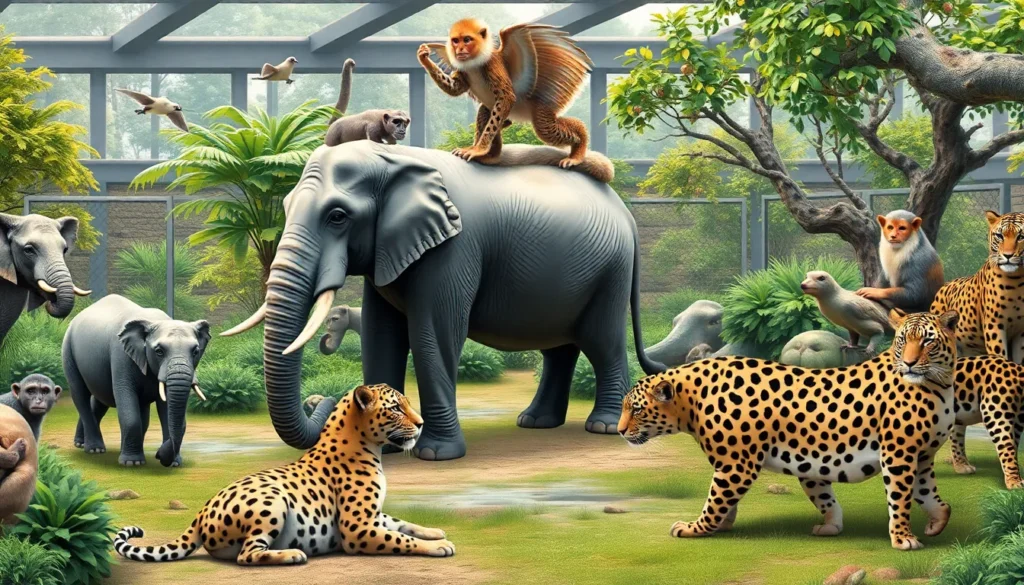
Animals in zoos come from diverse habitats including forests, savannas, wetlands, and aquatic environments. Zoos aim to replicate these conditions as closely as possible to support natural behaviors such as hunting, foraging, socializing, and nesting. Behavioral needs vary widely; for example, primates require complex climbing structures, while aquatic mammals need ample swimming space. Survival strategies in the wild, such as territoriality or migratory patterns, influence enclosure design and management practices in captivity. Animal caretakers monitor behavior to ensure animals can express natural activities, which is critical for psychological well-being.
Why This Animal Matters
Zoo animals serve important roles in conservation, education, and scientific research. Many species held in zoos are endangered or threatened in the wild, making captive populations vital for species survival plans. Zoos raise public awareness about biodiversity loss and environmental challenges. Furthermore, research conducted on zoo animals contributes to understanding animal biology, behavior, and welfare science. By maintaining healthy captive populations, zoos can support reintroduction programs and genetic diversity, thus playing a significant role in global conservation efforts.
Common Misconceptions
Misconception: All animals in zoos live in small, barren cages.
Correction: Modern zoos design spacious, enriched habitats that mimic natural environments to promote physical and mental health.
Misconception: Captive animals do not need enrichment or social interaction.
Correction: Enrichment and social opportunities are essential for preventing stress and encouraging natural behaviors.
Misconception: Zoos only exist for entertainment purposes.
Correction: While education and visitor engagement are goals, zoos also focus heavily on conservation, research, and animal welfare.
FAQ
What is zoo animal welfare?
Zoo animal welfare refers to the physical and psychological well-being of animals kept in zoological institutions, ensuring that their needs for nutrition, health care, appropriate housing, and natural behavior expression are met.
How do zoos improve animal welfare?
Zoos improve welfare by providing enriched environments, proper diets, veterinary care, social groupings, behavioral monitoring, and training animals for voluntary health procedures.
Are animals in zoos stressed?
While some animals may experience stress in captivity, modern zoos use a variety of strategies such as enrichment, habitat design, and careful management to minimize stress and promote natural behaviors.




Leave a Reply