
Short Answer
21 Facts About Carpenter Ants
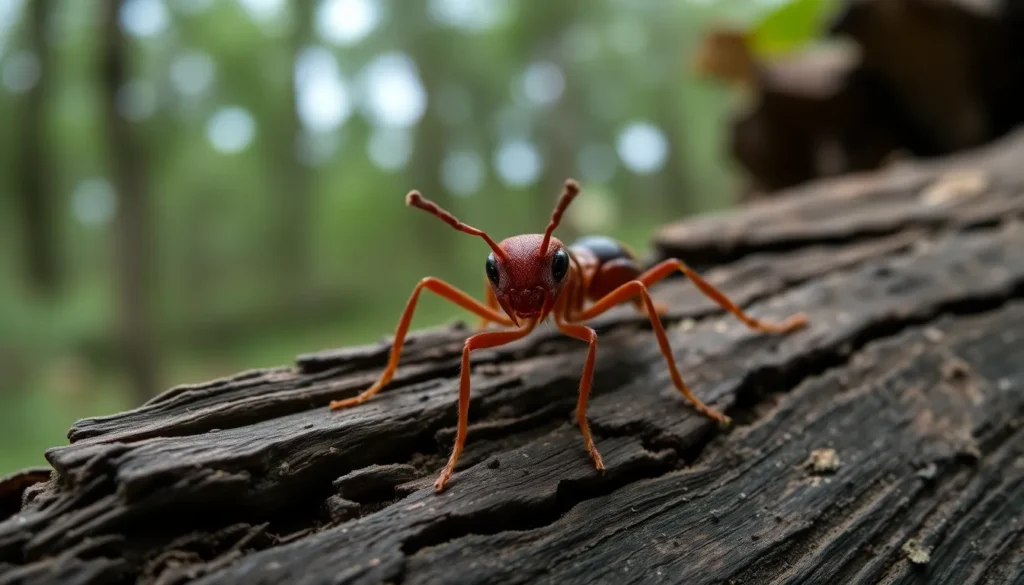
- Carpenter ants are large ants. They can measure from 6 to 12 millimeters in length, making them among the largest ants in North America.
- They do not eat wood. Unlike termites, carpenter ants tunnel into wood to create nests but feed primarily on protein and sugary substances.
- Carpenter ants prefer moist or decayed wood. They often infest damp wood that is easier to excavate, such as rotting tree stumps or water-damaged structures.
- They are social insects living in colonies. Carpenter ant colonies can contain thousands of individuals, including workers, soldiers, and a queen.
- Queens can live for several years. Some carpenter ant queens have been known to live up to 7 years or more, continuously producing offspring.
- Workers are sterile females. The worker ants perform all colony tasks except reproduction.
- They communicate using pheromones. Carpenter ants use chemical signals to mark trails and coordinate activities.
- They are primarily nocturnal. Carpenter ants are most active at night, which helps them avoid predators and conserve moisture.
- They build multiple nests. Colonies often have a primary nest and several satellite nests connected by trails.
- Carpenter ants can cause structural damage. By hollowing out wood to create galleries, they can weaken wooden structures over time.
- They forage for a variety of foods. Their diet includes other insects, honeydew from aphids, plant juices, and household food scraps.
- Carpenter ants have powerful mandibles. Their jaws enable them to excavate wood and defend the colony.
- They are found worldwide. Carpenter ants are distributed across many regions, especially in forests of North America and Europe.
- Colonies can split through budding. Satellite nests may become independent new colonies if the environment supports it.
- They play an important ecological role. By breaking down dead wood, carpenter ants contribute to nutrient cycling in forest ecosystems.
- Some species have polymorphic workers. Different sizes and shapes of workers perform specialized roles within the colony.
- Reproductive males and queens emerge seasonally. In spring or early summer, winged reproductives take flight for mating swarms.
- Carpenter ants can be indicators of moisture problems. Their presence inside buildings often signals wood decay or moisture issues.
- They do not sting but can bite. Carpenter ants can deliver a painful bite and may spray formic acid as a defense.
- They have complex life cycles. Development from egg to adult can take a few months depending on environmental conditions.
- Control methods include habitat modification. Removing moisture sources and decayed wood reduces carpenter ant infestations.
Habitat and Behavior
Carpenter ants predominantly inhabit wooded areas, including forests and urban environments where trees and wooden structures are present. They prefer moist or decayed wood for nesting because it is easier to excavate, but they will also nest in sound wood if necessary. Colonies are often established in hollow trees, logs, stumps, and sometimes the wooden parts of buildings. The ants are mostly nocturnal foragers, traveling along established pheromone-marked trails to find food sources such as other insects, honeydew, and plant materials. Their social structure includes a queen responsible for reproduction and sterile female workers that maintain the nest, forage, and defend the colony. Carpenter ants create extensive tunnel systems or galleries within wood, which can sometimes cause damage to wooden structures if left unchecked.
Why This Animal Matters
Ecologically, carpenter ants play an important role in breaking down and recycling dead wood, which contributes to nutrient cycling within forest ecosystems. Their tunneling activities aid in decomposing organic material, facilitating the return of nutrients to the soil. Although they can be pests when infesting human dwellings, carpenter ants provide a valuable service in natural habitats by helping to maintain the health of forests. Culturally, carpenter ants have been studied extensively as model organisms in entomology and pest control research. Their presence can indicate moisture problems in buildings, alerting homeowners to underlying structural issues. While not generally endangered, understanding carpenter ants and their behavior is essential for balanced ecosystem management and effective pest prevention.
Common Misconceptions
Misconception: Carpenter ants eat wood.
Correction: Carpenter ants do not consume wood; they excavate it to build nests but feed on protein and sugary substances.

Misconception: Carpenter ants are termites.
Correction: Carpenter ants and termites are different insects; termites digest wood and cause damage by consuming it, while carpenter ants hollow out wood for nesting without eating it.
Misconception: Carpenter ants sting humans.
Correction: Carpenter ants do not have a sting but can bite and spray formic acid as a defense mechanism.
FAQ
Do carpenter ants eat wood like termites?
No, carpenter ants do not consume wood. They excavate wood to create nests but feed primarily on protein and sugary substances.
Can carpenter ants damage my home?
Yes, carpenter ants can cause structural damage by hollowing out wood to build their nests, especially in moist or decayed wood.
How can I identify a carpenter ant infestation?
Look for sawdust-like material called frass near wooden structures, rustling noises inside walls at night, and the presence of large black or reddish ants around the home.



Leave a Reply