
Short Answer
21 Facts About Lovebirds
- Lovebirds are small parrots: They belong to the genus Agapornis and are among the smallest parrots, typically measuring 13 to 17 cm in length.
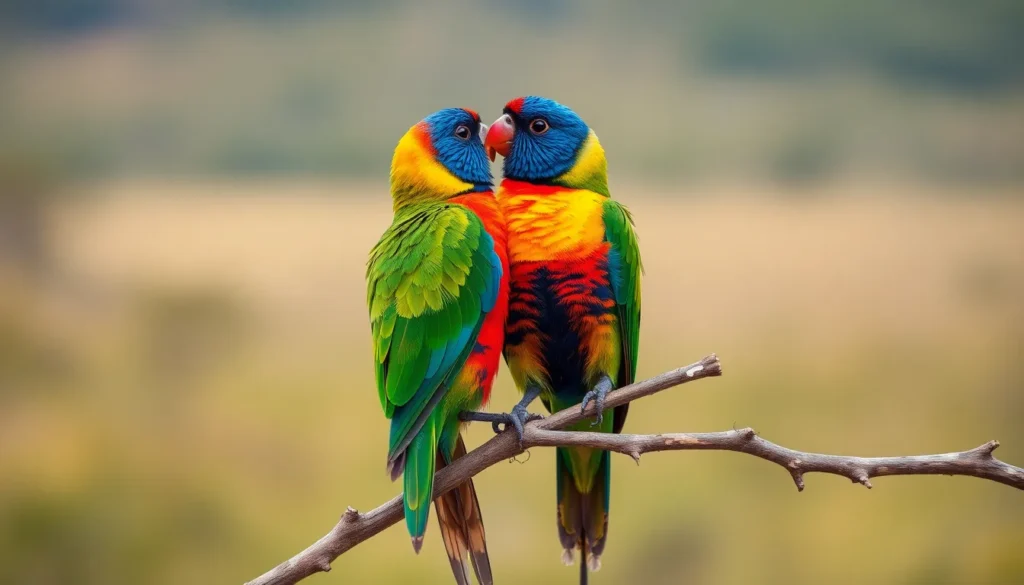
- Strong pair bonds: Lovebirds are named for their strong, monogamous pair bonds, often spending much time preening and sitting close together.
- Native range: Most species are native to Africa, with one species found only in Madagascar.
- Diverse species: There are nine recognized species of lovebirds, each with unique coloration and habitat preferences.
- Social birds: They live in small flocks in the wild, which helps with protection and social interaction.
- Vibrant plumage: Lovebirds are known for their bright and varied colors, including green, yellow, orange, and blue shades.
- Diet consists mainly of seeds and fruits: In the wild, lovebirds eat a variety of seeds, fruits, and occasionally insects.
- Strong beaks: Their beaks are adapted to crack hard seeds and nuts.
- High activity levels: Lovebirds are energetic and require space to fly and exercise.
- Vocal communication: They produce a range of chirps and calls to communicate within the flock.
- Breeding behavior: Lovebirds build nests in tree cavities or crevices, often using twigs and leaves.
- Egg incubation: Females typically incubate eggs for about 23 days before chicks hatch.
- Longevity: Lovebirds can live up to 10 to 15 years in captivity with proper care.
- Variation in species behavior: Some species, like the Peach-faced lovebird, are more social and active, while others are relatively shy.
- Sexual dimorphism is minimal: Males and females generally look alike, making sex identification challenging without DNA testing.
- Popular as pets: Their colorful appearance and affectionate behavior make them common companion birds worldwide.
- Environmental sensitivity: Habitat destruction threatens some wild populations.
- Adaptability: Some species have adapted well to urban environments.
- Importance of companionship: Lovebirds require social interaction to prevent stress and behavioral issues in captivity.
- Flight capabilities: They are strong fliers despite their small size, capable of quick and agile movements.
- Conservation status: Most species are not currently endangered, but habitat loss and capture for the pet trade pose risks.
Habitat and Behavior
Lovebirds inhabit a variety of environments across sub-Saharan Africa and Madagascar, including savannas, woodlands, and scrublands. They prefer areas with access to water and abundant food sources such as seeds and fruits. Typically, lovebirds are highly social birds that live in small flocks, which provides protection against predators and opportunities for social learning. Their day-to-day behavior involves foraging, preening, social interaction, and vocal communication. Lovebirds are known for their strong pair bonds; bonded pairs often engage in mutual preening and stay close together. When nesting, they use natural cavities or suitable sheltered locations, sometimes modifying them with nesting materials. In captivity, maintaining their social needs is critical to their wellbeing, as isolated lovebirds can develop behavioral issues such as feather plucking or aggression.
Why This Animal Matters
Lovebirds play an important role in their ecosystems by helping with seed dispersal due to their diet of seeds and fruits. Their presence supports the regeneration of native vegetation. Culturally, lovebirds symbolize affection and partnership in many societies, inspiring art and literature. They are also significant in aviculture and the pet trade, where they have contributed to the understanding of parrot behavior, social needs, and breeding. Conservation-wise, monitoring lovebird populations can indicate ecosystem health. Although most species are not currently endangered, habitat loss and trapping for pets underline the need for sustainable conservation efforts to protect wild populations and their habitats.
Common Misconceptions
Misconception: Lovebirds always need a mate to be happy.
Correction: While lovebirds are social and often bond closely with mates, they can also bond with humans or other birds. However, social interaction is essential to their wellbeing regardless of their companion.
Misconception: All lovebirds are bright green.
Correction: Lovebird species exhibit a wide range of colors including green, yellow, orange, blue, and peach-faced variations, depending on the species and mutations.
Misconception: Lovebirds are easy pets that do not require much care.
Correction: Lovebirds require a stimulating environment, social interaction, and proper nutrition to thrive. Neglecting these needs can lead to health and behavioral problems.
Misconception: Lovebirds are aggressive towards humans.
Correction: Generally, lovebirds are not aggressive to humans if properly socialized and handled gently.
FAQ
Are lovebirds suitable pets for beginners?
Lovebirds can be suitable for beginners if the owner is prepared to meet their social, dietary, and environmental needs. They require companionship, mental stimulation, and regular care.
How can you tell the sex of a lovebird?
Most lovebird species do not exhibit obvious sexual dimorphism, so visual sexing is difficult. DNA testing or surgical sexing by a veterinarian is the most reliable method.
Do lovebirds need a companion to be happy?
Lovebirds are highly social birds and generally benefit from having a companion, whether another bird or a human. Without social interaction, they may develop behavioral problems.

Leave a Reply