
Short Answer
21 Facts About Giant Ground Sloths
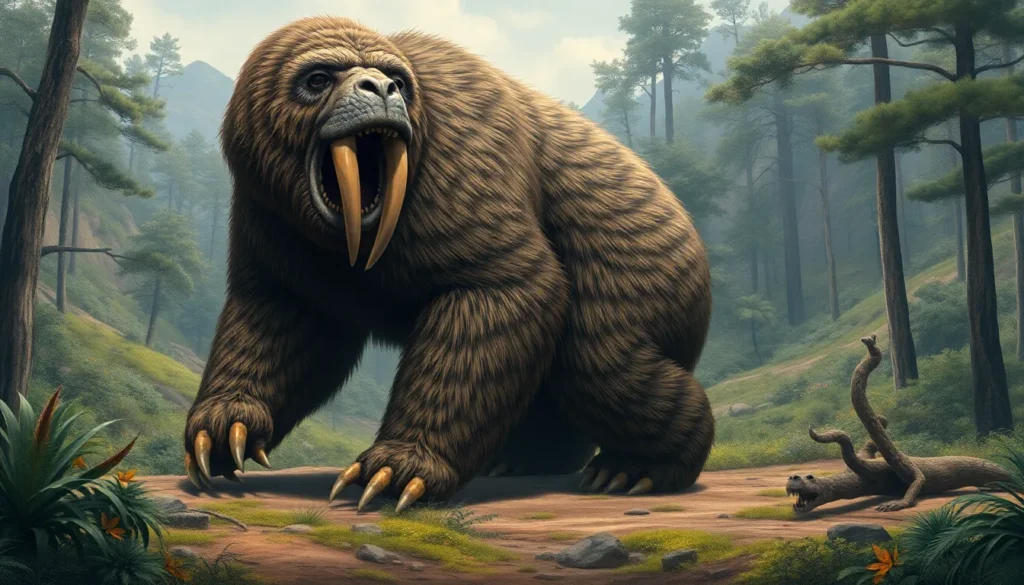
- Size Variation: Giant ground sloths varied significantly in size, with some species reaching up to 20 feet in length and weighing over 4 tons, making them some of the largest land mammals to have ever existed.
- Extinction Timeline: Most giant ground sloths went extinct around 10,000 years ago, coinciding with the end of the Pleistocene epoch and the arrival of humans in the Americas.
- Diverse Species: There were multiple genera of giant ground sloths, such as Megatherium, Eremotherium, and Mylodon, each with distinct physical traits and ranges.
- Herbivorous Diet: These sloths were primarily herbivores, feeding on a variety of vegetation including leaves, fruits, and possibly bark, using their large claws to pull down branches.
- Slow Movement: Despite their size, ground sloths were relatively slow movers, relying on their large size and sturdy build for defense rather than speed.
- Strong Limbs and Claws: Their powerful limbs and large curved claws were used for digging, climbing, and foraging, indicating an ability to manipulate their environment.
- Fossil Distribution: Fossils of giant ground sloths have been found primarily in South and North America, indicating a wide prehistoric range.
- Social Behavior: While many details remain uncertain, evidence suggests some species may have lived solitary lives or in small groups.
- Adaptations to Cold: Certain species of ground sloths adapted to colder climates, as suggested by the presence of hair and other features seen in fossil evidence.
- Burrowing Habits: Some ground sloths, such as Mylodon, are believed to have dug burrows for shelter, a unique behavior among large mammals of their time.
- Slow Reproduction: Like modern sloths, giant ground sloths likely had slow reproductive rates, which may have contributed to their vulnerability to extinction.
- Unique Skeletons: Their skeletal structures were robust, with a pelvis and limbs built to support their massive bodies and upright postures.
- Impact of Human Arrival: The overlap of human colonization and ground sloth extinction suggests humans may have hunted or competed with them.
- Role in Ecosystem: As large herbivores, giant ground sloths played a crucial role in shaping vegetation and dispersing seeds through their feeding habits.
- Scientific Discovery: The first giant ground sloth fossils were discovered in the 18th century, sparking scientific interest in prehistoric megafauna.
- Cultural Significance: Indigenous peoples of the Americas have oral histories and artifacts which some researchers interpret as references to giant ground sloths.
- Distinct from Tree Sloths: Unlike modern tree sloths, giant ground sloths were primarily terrestrial and much larger, representing a different evolutionary branch within the sloth family.
- Preservation of Soft Tissue: Some fossils have preserved skin, hair, and other soft tissues, providing rare insights into their biology and appearance.
- Misinterpretation in Popular Media: Giant ground sloths are sometimes confused with other prehistoric megafauna in popular culture due to their unusual appearance.
- Research Challenges: The rarity and condition of some fossils make studying giant ground sloths challenging, requiring advanced techniques like radiocarbon dating and CT scanning.
- Continued Interest: Giant ground sloths remain a subject of active research and public fascination, contributing to our understanding of prehistoric life and extinction processes.
Habitat and Behavior
Giant ground sloths thrived during the Pleistocene epoch across a range of habitats in South and North America. They inhabited forests, grasslands, and savannas, demonstrating adaptability to different environmental conditions. Their large size and sturdy builds allowed them to forage on high vegetation, utilizing their long limbs and strong claws to pull down branches. Some species showed evidence of burrowing behavior, suggesting they could modify their habitats for shelter. These herbivores likely had slow metabolic rates and moved deliberately, relying on their bulk for protection rather than speed. Their social structures remain unclear, but it is plausible they led solitary or small-group lives. Seasonal variations in food availability possibly influenced their foraging patterns and migratory behavior.
Why This Animal Matters
Giant ground sloths played a key ecological role as mega-herbivores, influencing vegetation dynamics and seed dispersal in prehistoric ecosystems. Their extinction is part of a broader pattern of megafaunal loss at the end of the last Ice Age, which had significant impacts on ecosystem structure and function. Studying these animals provides valuable insights into evolutionary biology, extinction mechanisms, and climate change effects. Culturally, they hold importance in the folklore and history of indigenous peoples in the Americas, connecting modern communities to their prehistoric past. Additionally, ongoing scientific research on ground sloths contributes to paleontology and conservation biology, informing efforts to understand biodiversity loss and ecosystem resilience.
Common Misconceptions
Misconception: Giant ground sloths were just oversized versions of modern tree sloths.
Correction: Although related, giant ground sloths were terrestrial, much larger, and adapted to different ecological niches than modern arboreal sloths.

Misconception: All giant ground sloths were identical in appearance and behavior.
Correction: There was considerable diversity among species, with variations in size, habitat preferences, and behaviors.
Misconception: Giant ground sloths went extinct solely because of human hunting.
Correction: While human impact likely contributed, climatic changes and ecological factors also played significant roles in their extinction.
FAQ
What were giant ground sloths?
Giant ground sloths were large, extinct mammals related to modern sloths, known for their massive size and terrestrial lifestyle during the Pleistocene epoch.
When did giant ground sloths go extinct?
They mostly went extinct around 10,000 years ago, near the end of the Pleistocene, likely due to a combination of climate change and human activities.
How big were giant ground sloths?
Some species, like Megatherium, could reach lengths up to 20 feet and weigh as much as 4 tons, making them among the largest land mammals ever.


Leave a Reply