
Short Answer
21 Facts About Urial (Wild Sheep)
- Scientific Classification: The urial belongs to the species Ovis vignei, part of the genus Ovis, which includes various wild sheep species.
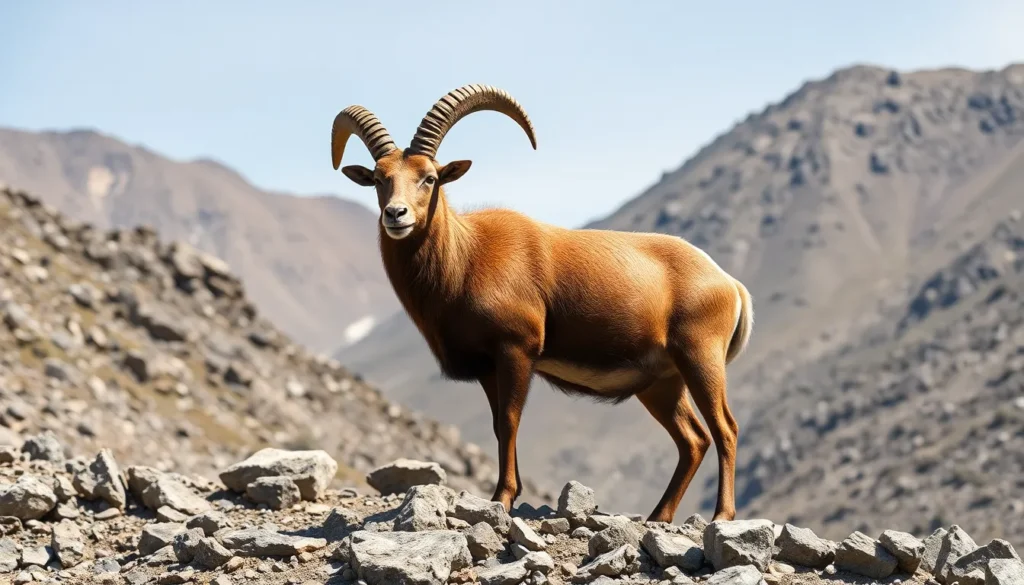
- Distinctive Appearance: Urials have a reddish-brown coat with a white underbelly and distinctive black markings on their legs and face.
- Horns: Males possess large, curved horns that can reach impressive lengths, while females have smaller, thinner horns or none at all.
- Size: Adult males typically weigh between 35 to 80 kilograms (77 to 176 pounds), with females generally smaller.
- Subspecies Variation: There are several recognized subspecies of urial, each adapted to different mountainous regions across Central and South Asia.
- Habitat Preference: Urials inhabit arid and semi-arid mountainous areas, often between 600 to 3,000 meters in elevation.
- Diet: Primarily grazers, urials feed on grasses, herbs, and shrubs available in their rugged environments.
- Social Structure: They tend to form small herds, usually segregated by sex outside of the breeding season.
- Breeding Season: The mating season typically occurs in late autumn, with females giving birth to one or two lambs after a gestation of about five months.
- Adaptations: Urials are well adapted to steep, rocky terrain and can navigate difficult landscapes with agility to escape predators.
- Predators: Natural predators include wolves, snow leopards, and large birds of prey in some regions.
- Conservation Status: The International Union for Conservation of Nature (IUCN) currently lists the urial as Near Threatened due to habitat loss and hunting pressures.
- Hunting and Human Impact: Urials have historically been hunted for their meat and horns, impacting some populations negatively.
- Role in Ecosystem: As herbivores, urials contribute to controlling vegetation growth and serve as prey for large carnivores, maintaining ecological balance.
- Behavioral Traits: They are primarily diurnal, being most active during early morning and late afternoon hours.
- Vocalizations: Urials communicate using various sounds including grunts and bleats, especially during mating season.
- Migration Patterns: Some populations exhibit seasonal altitudinal migration to access better grazing areas and avoid harsh weather conditions.
- Interaction with Livestock: In some areas, urials share grazing grounds with domestic sheep and goats, sometimes leading to competition.
- Scientific Research: Urials have been subjects of ecological and genetic studies to understand wild sheep evolution and conservation needs.
- Cultural Significance: In parts of their range, urials are considered symbols of wildlife heritage and feature in local folklore and traditional hunting practices.
- Conservation Efforts: Protected areas and wildlife reserves in countries like Pakistan, India, and Iran aim to safeguard urial populations and their habitats.
Habitat and Behavior
The urial inhabits mountainous and hilly regions across Central and South Asia, including parts of Iran, Afghanistan, Pakistan, India, and surrounding areas. These wild sheep prefer dry, open slopes with sparse vegetation, which provide both grazing opportunities and visibility to detect predators. Urials are agile climbers, using their ability to navigate rocky terrain to evade threats. Their social structure is typically organized into small herds, segregated by sex except during the breeding season when males compete for access to females. Urials mainly feed on grasses, herbs, and shrubs, adapting their diet seasonally based on availability. They are most active during cooler periods of the day and rest during the heat. Seasonal migrations to higher or lower altitudes may occur depending on climatic conditions.
Why This Animal Matters
The urial plays an essential role in the ecosystems it inhabits by influencing vegetation patterns through grazing and serving as prey for large carnivores such as snow leopards and wolves. This contributes to maintaining biodiversity and ecological balance. Culturally, urials hold significance in local traditions and hunting heritage across their range. Conservation of urial populations is important not only to preserve biodiversity but also to maintain the natural heritage of the mountainous regions of Asia. Conservation efforts aimed at protecting urials also benefit broader environmental health by safeguarding habitats that support diverse flora and fauna.
Common Misconceptions
Misconception: Urials are simply feral domestic sheep.
Correction: Urials are a distinct wild species of sheep (Ovis vignei) with unique genetic, morphological, and behavioral characteristics, not domesticated or feral animals.
Misconception: Urials can thrive in any mountainous area.
Correction: Urials have specific habitat preferences, favoring arid to semi-arid mountainous regions with certain vegetation types and are not found in all mountain ecosystems.
Misconception: Hunting urials has no impact on their populations.
Correction: Unregulated hunting has contributed to population declines in several areas, making conservation measures critical for their survival.
FAQ
What distinguishes urials from domestic sheep?
Urials are wild sheep species with distinct physical and genetic traits, such as larger curved horns in males and adaptations to mountainous habitats, unlike domesticated sheep bred for agricultural purposes.
Where are urials typically found?
Urials inhabit mountainous and hilly regions of Central and South Asia, including countries like Pakistan, India, Iran, Afghanistan, and surrounding areas.
What is the conservation status of the urial?
The urial is currently listed as Near Threatened by the IUCN due to habitat loss, hunting, and competition with livestock, which have caused population declines in parts of its range.




Leave a Reply