
Short Answer
21 Facts About Hamsters
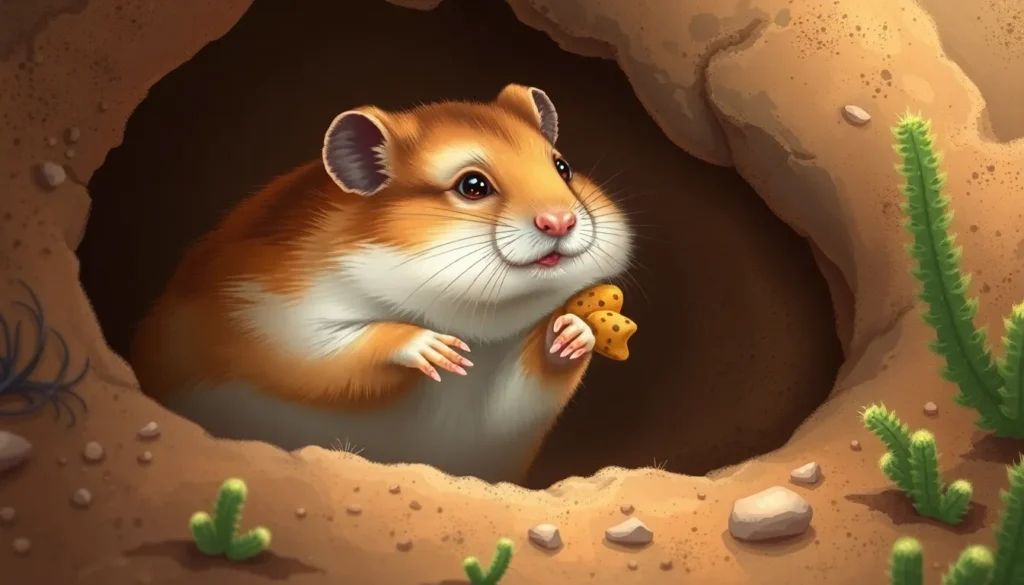
- Hamsters have expandable cheek pouches. These pouches can stretch to carry food and nesting materials back to their burrows.
- They are primarily nocturnal animals. Hamsters are most active during the evening and night, resting during the day.
- There are about 18 species of hamsters. These include the Syrian hamster, dwarf hamsters, and others native to different parts of the world.
- Syrian hamsters are solitary. Unlike some other rodents, they prefer to live alone and may fight if housed together.
- Hamsters have poor eyesight but a strong sense of smell and hearing. They rely on these senses to navigate and find food.
- They have a short lifespan. Most hamsters live between 2 to 3 years in captivity.
- Hamsters are burrowing animals. In the wild, they dig extensive tunnel systems for shelter and food storage.
- They are omnivores. Hamsters eat seeds, grains, vegetables, and occasionally insects.
- Hamsters’ teeth grow continuously. They need to gnaw regularly to keep their teeth from overgrowing.
- They communicate using body language and scent marking. Hamsters use scent glands to mark territory and signal to others.
- Hamsters can run long distances on exercise wheels. This behavior helps them maintain fitness and mental stimulation.
- They are native mainly to parts of Europe and Asia. Their natural habitats include deserts, steppes, and edges of cultivated fields.
- Hamsters entered the pet trade in the 1930s. The Syrian hamster was first bred in captivity in 1930, leading to their popularity as pets.
- They have sensitive skin and fur. Handling should be gentle to avoid stress or injury.
- Hamsters have cheek pouches that are outside the mouth but inside the face. This anatomical feature helps them transport food safely.
- They do not hibernate but can enter a state of torpor. In extreme cold, hamsters may slow their metabolism temporarily.
- Hamsters have relatively simple social structures. Most species are solitary outside of mating periods.
- They are prey animals with many natural predators. These include owls, snakes, and foxes in the wild.
- Hamsters have been used in scientific research. Their reproductive cycles and genetics make them useful in some studies.
- They require specific care in captivity. Proper diet, cage size, and environmental enrichment are critical for their well-being.
- Hamsters have unique behaviors such as hoarding food. This instinct helps them survive when resources are scarce.
Habitat and Behavior
Hamsters are native to various regions across Europe and Asia, primarily inhabiting dry, arid environments such as deserts, steppes, and open fields. They typically live underground in complex burrow systems that provide shelter, food storage, and protection from predators and harsh weather. Their burrows often have multiple chambers for nesting, food storage, and waste.
Behaviorally, hamsters are mostly nocturnal, meaning they are active during the night and rest during the day. They are solitary creatures, especially species like the Syrian hamster, which prefer living alone and can become aggressive towards others of their kind. Hamsters rely heavily on their keen sense of smell and hearing due to their relatively poor eyesight. Their behaviors include foraging, hoarding food in their cheek pouches, digging, and running on wheels or in tunnels to maintain physical activity. In the wild, these behaviors help hamsters survive by allowing them to gather food efficiently and avoid predators.
Why This Animal Matters
Hamsters play an important ecological role as both prey and seed dispersers in their natural habitats. By foraging and hoarding seeds, they contribute to the propagation of various plants. They also serve as a food source for many predators, helping maintain ecological balance.
Culturally, hamsters have become popular pets worldwide due to their small size, manageable care requirements, and engaging behaviors. They have also contributed to scientific research, particularly in studies involving genetics, reproduction, and behavior, due to their short life cycles and ease of breeding in captivity.
Conservation-wise, most hamster species are not currently endangered, but habitat loss and human activity could impact specific populations. Understanding their biology and ecological needs helps inform conservation strategies where necessary.
Common Misconceptions
Misconception: Hamsters can live happily in groups.
Correction: Most hamster species, particularly Syrian hamsters, are solitary and prefer to live alone. Housing them together can lead to stress and aggressive behavior.
Misconception: Hamsters only eat seeds.
Correction: While seeds are a major part of their diet, hamsters are omnivores and also consume vegetables, grains, and small insects in the wild.
Misconception: Hamsters are nocturnal because they are lazy.
Correction: Hamsters are naturally nocturnal as an evolutionary adaptation to avoid daytime predators and extreme heat in their native environments.
FAQ
Are hamsters good pets for children?
Hamsters can be suitable pets for older children who understand how to handle them gently and provide proper care. They require daily feeding, cage cleaning, and careful handling to avoid stress or injury.
Do hamsters need exercise?
Yes, hamsters are active animals that benefit from exercise. Providing a running wheel or a safe play area helps them maintain physical and mental health.
Can hamsters live together?
Most hamsters, especially Syrian hamsters, are solitary and should be housed alone. Some dwarf hamster species may tolerate companions if introduced carefully, but risks of fighting remain.



Leave a Reply